Gut Health Explained: Why Your Digestive System Matters More Than You Think
Your digestive system does far more than process meals. It breaks food into nutrients, supports regular bowel function and is home to a complex community of microorganisms known as the gut microbiome.
This article provides general information about digestive and gut health for educational purposes only. Digestive symptoms can have many causes and this information does not replace diagnosis or treatment from a qualified healthcare professional.
In This Article
Introduction
Gut health has become one of the most talked-about areas of wellness, with everything from fermented foods to microbiome tests being promoted as ways to improve it. But the digestive system is much more than a health trend.
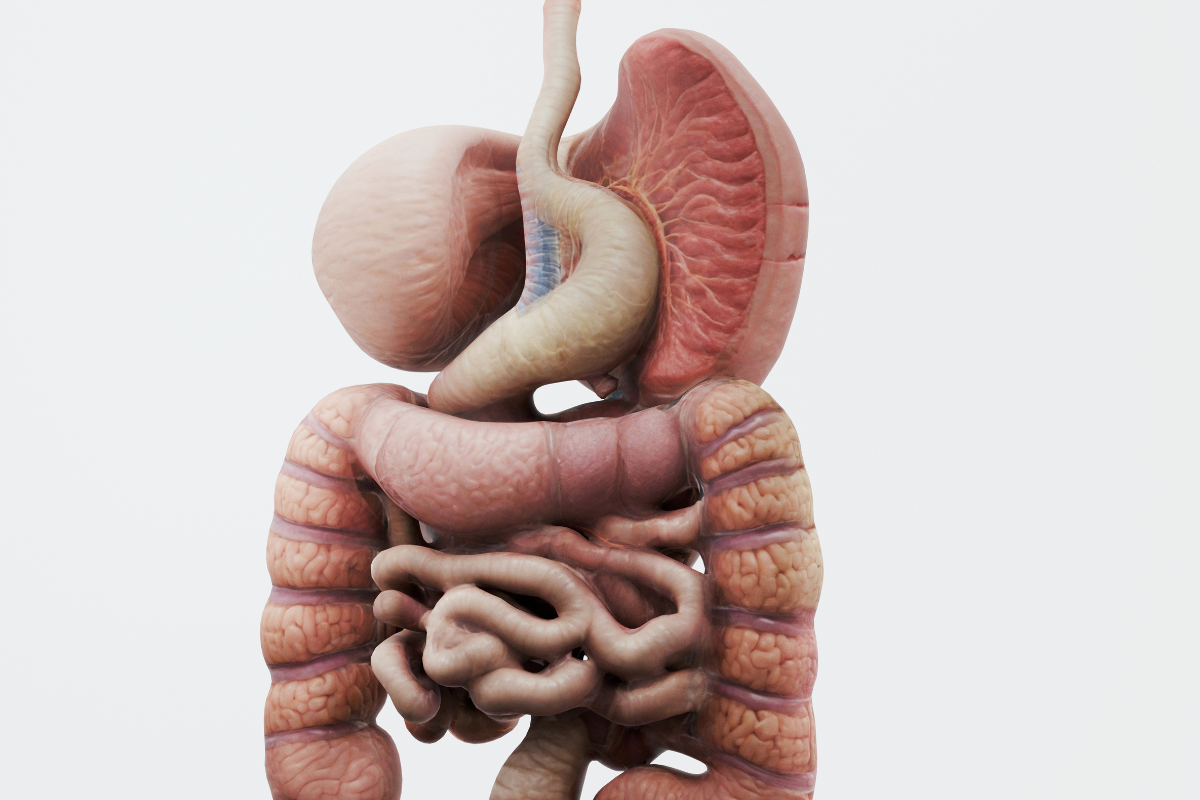
Your gastrointestinal tract works together with organs including the liver, pancreas and gallbladder to digest food. Digestion breaks food down into nutrients that the body can use for energy, growth and cell repair.
Your intestines are also home to a vast community of microorganisms called the gut microbiota or gut microbiome. Researchers continue to study how these microorganisms interact with digestion, metabolism, immune function and other parts of human health.
Supporting gut health therefore does not require chasing every new product or claim. A varied diet, enough fibre, adequate fluids and sensible everyday habits remain a practical foundation.
What Does Your Digestive System Actually Do?
Digestion begins before food reaches your intestines. Chewing breaks food into smaller pieces, while saliva begins the digestive process. Food then travels through the oesophagus to the stomach, where it is mixed with digestive juices.
The small intestine plays a major role in breaking food down further and absorbing nutrients. The liver, pancreas and gallbladder contribute substances that help the body process carbohydrates, proteins and fats.
Material that is not absorbed moves into the large intestine. Water is absorbed there, intestinal bacteria interact with what remains, and waste is eventually passed from the body.
Because this system performs several jobs at once, digestive health can influence how comfortably and efficiently the body handles food and waste.
Pay attention to patterns rather than expecting digestion to feel exactly the same every day. Meals, hydration, stress, activity and routine can all affect how your digestive system feels.
What Is the Gut Microbiome?
The gut microbiome refers to the community of microorganisms living in the digestive tract, particularly the large intestine. This community includes bacteria as well as viruses, fungi and other microorganisms.
These microbes interact with food and with the body itself. Research has linked the gut microbiome with nutrient metabolism, intestinal barrier function, immune processes and inflammation. Scientists are also studying communication between the gut and brain through what is commonly called the gut-brain axis.
However, microbiome science is still developing. Finding an association between certain microbes and a health condition does not automatically mean those microbes caused the condition.
This is why claims that one supplement, food or home test can reveal or “fix” your entire gut health should be treated cautiously.
There is no single perfect microbiome shared by everyone. Diet, age, medications, environment and many other factors can influence the microorganisms living in the gut.
Why Fibre Matters
Dietary fibre is one of the most practical places to start when thinking about digestive health. Fibre is found naturally in plant foods such as vegetables, fruit, whole grains, beans, lentils, nuts and seeds.
Different fibres behave differently in the digestive tract. Fibre can help add bulk to stool, support regular bowel movements and provide substrates that certain gut microorganisms can use.
WHO's 2026 healthy-diet guidance recommends that people older than 10 years aim for at least 25 grams of naturally occurring dietary fibre each day. Individual recommendations can vary, and some digestive conditions require personalised advice.
If your current diet is low in fibre, suddenly eating very large amounts may cause gas, bloating or discomfort. Increase fibre gradually and make sure you are drinking enough fluid.
Instead of focusing only on a fibre number, add fibre-rich foods throughout the day — fruit at breakfast, vegetables at lunch, beans or whole grains with dinner, and nuts or seeds when appropriate.
Prebiotics and Probiotics Explained
Prebiotics and probiotics are often discussed together, but they are not the same thing. Prebiotics are substances in foods that can be used by beneficial microorganisms in the gut. Foods such as beans, whole grains, onions, garlic, bananas and asparagus can provide prebiotic compounds.
Probiotics are live microorganisms that, when present in appropriate amounts and specific forms, may provide health benefits. Some fermented foods can contain live microorganisms, including certain yogurts and fermented vegetables.
Not every fermented food contains the same microorganisms, and not every probiotic product has evidence for every health claim. Effects can depend on the particular organism, strain, dose and condition being studied.
For most people, building a varied overall diet is more useful than assuming a probiotic supplement can compensate for poor eating habits.
Probiotic supplements are not interchangeable. If you are considering one for a specific digestive condition, ask a qualified healthcare professional whether there is evidence for that particular product or strain.
Diet Variety Can Support Your Gut
There is no need for a complicated “gut-health diet.” A diverse pattern built around nutritious, minimally processed foods provides fibre and a range of nutrients while giving gut microorganisms different food sources.
Vegetables, fruit, legumes, whole grains, nuts and seeds are useful foods to rotate through your meals. WHO identifies whole grains, vegetables, fruits and pulses as important sources of quality carbohydrates and dietary fibre.
Fermented foods such as yogurt with live cultures can also be part of a balanced diet if they suit you. But they are additions to an overall eating pattern rather than a magic solution.
Highly restrictive diets can sometimes reduce food variety unnecessarily. Unless you have a diagnosed condition or clear professional guidance, avoid eliminating large groups of foods simply because they have been labelled “bad for the gut” online.
Everyday Habits Affect Digestion
Food is important, but digestion is also influenced by everyday routines. Drinking enough fluids is particularly relevant when increasing fibre because fluid helps fibre work effectively and can support comfortable bowel movements.
Regular physical activity may also help bowel regularity for some people. Sleep and stress can affect how people experience digestive symptoms, although the relationship differs from person to person.
Eating more slowly can make meals easier to manage for some people, especially if rushing leads to overeating or swallowing extra air. Consistent meal and toilet routines may also be helpful depending on your individual needs.
There is rarely one habit that transforms gut health overnight. Small behaviours repeated consistently are generally more realistic than short “detoxes” or cleanses.
Choose one digestive-health habit to improve first. Adding one extra serving of vegetables, drinking more water or taking a regular walk may be easier to sustain than changing everything at once.
When Digestive Symptoms Need Attention
Occasional bloating, gas or changes in bowel habits can happen, but persistent or severe symptoms should not automatically be blamed on an “unhealthy gut microbiome.” Digestive symptoms can have many possible causes.
Conditions affecting the digestive system include gastro-oesophageal reflux disease, irritable bowel syndrome, coeliac disease, inflammatory bowel disease, lactose intolerance and many others. Proper assessment matters because treatment depends on the underlying cause.
Seek medical advice for symptoms that are persistent, worsening or interfering with daily life. Prompt assessment is especially important for warning signs such as blood in the stool, unexplained weight loss, persistent vomiting, severe abdominal pain, difficulty swallowing or other symptoms that concern you.
Online information can help you understand digestive health, but it cannot diagnose why a particular symptom is happening.
Do You Need a Gut Microbiome Test?
Direct-to-consumer microbiome tests have become increasingly visible, but the science has not yet reached the point where a home test can provide a complete or universally reliable score of your gut health.
The microbiome is highly complex and can vary between people. Researchers are still working out which patterns are clinically meaningful and how results should influence treatment.
For most people without a specific medical reason for testing, established habits such as eating a varied fibre-rich diet and limiting excessive reliance on highly processed foods are more practical than trying to optimise individual bacterial species from a commercial report.
Gut Health Is Bigger Than a Single Food
Yogurt, fermented vegetables, fibre supplements and other products may all have a place in someone's diet, but no single item defines a healthy digestive system.
Think about the overall pattern: enough nutritious food, variety across plant foods, adequate fibre and fluids, regular movement and appropriate medical care when symptoms persist.
Gut health is an evolving area of science. Keeping the basics strong while remaining cautious about exaggerated claims is a sensible way to benefit from what is already known without getting lost in wellness hype.
Key Takeaways
- The digestive system breaks food down so nutrients can be absorbed and used by the body.
- The gut microbiome is a complex community of microorganisms, particularly in the large intestine.
- Fibre-rich foods can support digestion and provide fuel for parts of the gut microbiota.
- WHO recommends at least 25 grams of naturally occurring dietary fibre per day for people older than 10 years.
- Prebiotics and probiotics are different, and probiotic effects can depend on the specific strain and use.
- A varied diet is generally more useful than relying on one “gut-health” food or supplement.
- Home microbiome testing has limitations and should not be treated as a complete diagnosis of gut health.
- Persistent, severe or concerning digestive symptoms should be assessed by a healthcare professional.
Sources & References
- National Institute of Diabetes and Digestive and Kidney Diseases. Digestive Diseases. NIDDK
- World Health Organization. Healthy diet. WHO
- Harvard Health Publishing. Digestive Health. Harvard Health
- Harvard Health Publishing. How to feed your gut. Harvard Health
- Harvard Health Publishing. Are do-it-yourself microbiome tests helpful? Harvard Health
About KnowvaLife
KnowvaLife creates practical health and wellness content designed to make everyday health information easier to understand. Our content is educational and does not replace personalised advice from qualified healthcare professionals.