Pre-eclampsia: The Pregnancy Warning Signs That Need Medical Attention
Pre-eclampsia is a pregnancy complication involving high blood pressure and sometimes protein in the urine or other signs of organ involvement. It can develop after 20 weeks of pregnancy, and recognising warning symptoms early is important for both mother and baby.
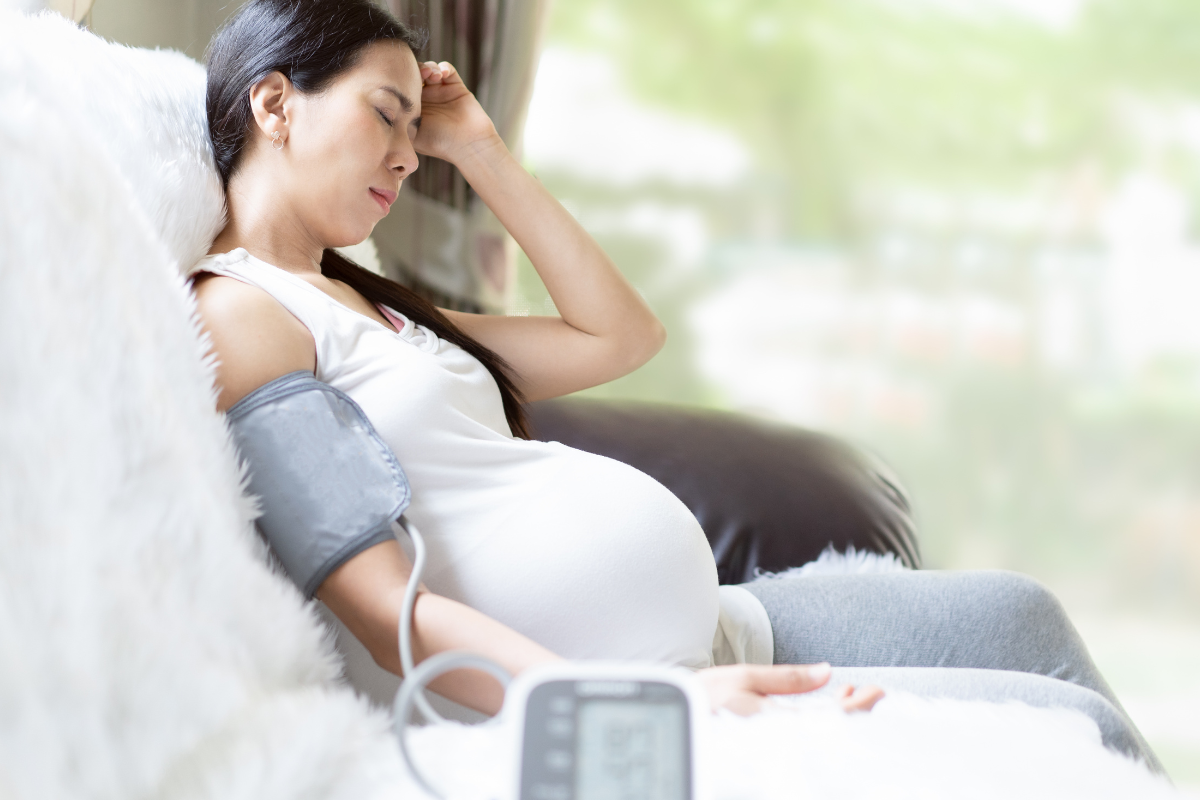
This article is for general educational purposes only and does not replace personalised pregnancy or medical advice. Pre-eclampsia can become serious. Seek prompt medical care for severe headache, changes in vision, significant upper abdominal pain, sudden swelling, breathing difficulty or other concerning pregnancy symptoms.
In This Article
Introduction
Blood pressure is checked regularly during pregnancy for an important reason. A significant rise can sometimes be one of the first clues that a pregnancy complication is developing.
Pre-eclampsia usually develops after 20 weeks of pregnancy and is characterised by high blood pressure together with protein in the urine and/or other signs that organs are being affected.
Some women may feel relatively well when the condition is first detected, which is why routine antenatal appointments matter.
In other cases, symptoms such as severe headaches, visual disturbances or pain below the ribs can develop and require prompt medical attention.
Pre-eclampsia can range from relatively mild disease that requires close monitoring to severe illness that threatens the health of both mother and baby.
What Is Pre-eclampsia?
Pre-eclampsia is a pregnancy-specific condition that involves high blood pressure and signs that other parts of the body may be affected.
It generally occurs after 20 weeks of pregnancy. Protein may appear in the urine because the kidneys are affected, although modern definitions also recognise other evidence of organ involvement.
The placenta plays an important role in the condition. Problems with placental blood flow and the blood vessels supplying it are thought to contribute to the changes seen in pre-eclampsia.
The condition can affect the mother's blood vessels and organs and can also reduce the supply of blood, oxygen and nutrients reaching the baby through the placenta.
You do not need to understand every medical mechanism behind pre-eclampsia. The practical things to remember are regular blood pressure checks, keeping antenatal appointments and reporting concerning symptoms promptly.
Why Blood Pressure Matters
Blood pressure normally changes somewhat during pregnancy, but persistently high readings can signal a problem.
HealthHub notes that blood pressure is checked at antenatal visits partly to make sure pre-eclampsia is not developing.
A urine test may also be performed to look for protein, which can be one sign of kidney involvement in pre-eclampsia.
One high reading alone does not necessarily confirm the condition. Healthcare professionals interpret blood pressure together with repeat measurements, urine findings, symptoms, blood tests and the overall pregnancy picture.
This is why routine monitoring is valuable even when you feel completely well.
Keep your antenatal appointments even when pregnancy feels normal. Pre-eclampsia can sometimes be detected through routine checks before obvious symptoms develop.
Warning Signs to Recognise
Pre-eclampsia does not always cause symptoms, but several warning signs deserve immediate attention during pregnancy.
HealthHub advises women to seek medical care for severe headaches, blurred vision, vomiting, pain below the ribs and sudden swelling of the hands, feet or face.
Changes in vision can include blurred vision or other unusual visual disturbances.
Upper abdominal pain may be felt beneath the ribs, particularly on the right side, although pain during pregnancy can have many possible causes.
KKH also lists severe headaches, changes in vision and abdominal pain among pregnancy symptoms that require medical attention.
Seek prompt medical assessment if you develop a severe or persistent headache, new visual changes, significant pain under the ribs or upper abdomen, sudden marked swelling or other symptoms that feel unusual or severe.
Why Swelling Can Matter
Some swelling of the feet and ankles can occur during normal pregnancy, especially later in pregnancy or after spending a long time standing.
This means swelling alone does not automatically indicate pre-eclampsia.
The concern is when swelling develops suddenly, becomes significant or affects areas such as the hands and face, particularly when it occurs alongside high blood pressure, headaches, vision changes or upper abdominal pain.
SingHealth advises medical review when swelling is associated with high blood pressure, breathlessness or when it remains persistent despite adequate rest.
Pregnancy symptoms need to be interpreted together rather than using one symptom alone to diagnose a condition.
Do not try to diagnose pre-eclampsia based on swelling alone. Sudden or significant swelling together with other warning symptoms requires proper medical assessment.
Who May Be at Higher Risk?
Pre-eclampsia can affect different pregnancies, but certain factors increase the likelihood that it will develop.
A previous history of pre-eclampsia is an important risk factor.
Women with chronic high blood pressure, kidney disease, diabetes or certain autoimmune conditions may also face increased risk.
First pregnancies and multiple pregnancies, such as twins, can be associated with higher risk.
Higher body mass index before pregnancy can also contribute. SingHealth notes that women with a BMI of 30 or above have an increased risk of pre-eclampsia compared with women whose BMI is below 25.
Risk assessment is useful because women with certain combinations of risk factors may be offered additional monitoring or preventive treatment.
How Is Pre-eclampsia Detected?
Routine antenatal care is one of the main ways pre-eclampsia is identified.
Your blood pressure is measured at pregnancy appointments, and urine testing can detect protein that may indicate kidney involvement.
If pre-eclampsia is suspected, additional blood tests may be used to assess organ function and other aspects of the condition.
The baby's growth and well-being may also need closer monitoring because pre-eclampsia can affect placental blood flow.
Ultrasound and other fetal assessments may therefore form part of ongoing management, depending on the severity and stage of pregnancy.
SingHealth also offers antenatal risk assessment for pre-eclampsia, with preventive measures considered for women identified as being at higher risk.
Blood pressure and urine checks may seem routine, but they are important parts of detecting pregnancy complications before they become severe.
How Is Pre-eclampsia Managed?
Management depends on how severe the condition is, how many weeks pregnant you are and how well both mother and baby are doing.
Mild disease may sometimes be managed with close monitoring of blood pressure, blood tests and the baby's growth and well-being.
Medication may be used to manage significantly high blood pressure when appropriate.
In more severe disease, hospital monitoring may be needed.
The only definitive resolution of pregnancy-related pre-eclampsia is delivery of the placenta and baby, but the timing of delivery must balance maternal safety with the baby's maturity.
When severe pre-eclampsia develops before the baby is full-term, specialists carefully consider the risks of continuing the pregnancy against the risks associated with earlier delivery.
Never adjust blood pressure medicine or take aspirin during pregnancy unless it has been recommended by your maternity healthcare team.
Can Pre-eclampsia Be Prevented?
Not every case can be prevented.
However, identifying women at higher risk allows healthcare teams to consider measures that may reduce risk.
SingHealth states that low-dose aspirin can substantially reduce the risk of preterm pre-eclampsia in selected women with appropriate risk factors.
This does not mean every pregnant woman should take aspirin. Aspirin during pregnancy should only be taken when recommended by an obstetric or maternity healthcare professional.
Managing chronic high blood pressure, diabetes and other existing medical conditions before and during pregnancy also remains important.
What Can Pre-eclampsia Mean for the Baby?
Pre-eclampsia can reduce blood flow through the placenta.
When the placenta cannot deliver enough oxygen and nutrients, fetal growth may slow.
Some pregnancies affected by significant pre-eclampsia may also require delivery earlier than originally planned because continuing the pregnancy becomes unsafe.
SingHealth notes that severe disease can contribute to slower fetal growth, preterm delivery and placental complications.
Closer fetal monitoring helps healthcare teams assess the baby's growth and well-being while planning the safest possible timing of delivery.
When to Seek Urgent Care
Pregnancy symptoms should always be considered in context, but certain symptoms warrant prompt medical attention.
Seek medical assessment for severe or persistent headaches, new changes in vision, significant pain in the upper abdomen or below the ribs, sudden marked swelling or breathing difficulty.
Reduced fetal movement, vaginal bleeding, severe abdominal pain or other concerning pregnancy symptoms also require medical advice regardless of whether pre-eclampsia is suspected.
If your maternity team has already told you that your blood pressure is high or that you are at increased risk of pre-eclampsia, follow the specific instructions they have given you about when to attend hospital.
If a severe headache, vision change, significant abdominal pain or other serious pregnancy symptom develops suddenly, contact your maternity healthcare service or seek urgent medical attention rather than waiting for your next routine appointment.
Does Pre-eclampsia End Immediately After Birth?
Delivery removes the placenta, which is central to the condition, but blood pressure and other abnormalities may not return to normal immediately.
Women who have had pre-eclampsia therefore require appropriate postpartum monitoring.
Blood pressure problems can sometimes persist after delivery, and serious symptoms should continue to be taken seriously during the postpartum period.
A history of pre-eclampsia may also be relevant to a woman's long-term health, so make sure future healthcare professionals are aware of the pregnancy complication.
Why Routine Antenatal Care Matters
One of the challenges with pre-eclampsia is that a woman can feel relatively well while her blood pressure is rising.
Routine antenatal visits give healthcare professionals repeated opportunities to measure blood pressure, test urine and assess the pregnancy.
These checks are not just paperwork or routine measurements. They are part of identifying complications early enough to monitor or treat them appropriately.
Keeping appointments and reporting unusual symptoms between visits are both important parts of pregnancy care.
Key Takeaways
- Pre-eclampsia usually develops after 20 weeks of pregnancy.
- It involves high blood pressure and may include protein in the urine or other signs of organ involvement.
- Some women initially have no obvious symptoms, making routine antenatal monitoring important.
- Severe headache, vision changes, pain below the ribs and sudden significant swelling are important warning signs.
- Blood pressure and urine checks help healthcare professionals detect pre-eclampsia.
- Pre-eclampsia can affect both the mother's health and placental blood flow to the baby.
- Management depends on severity, gestational age and the well-being of mother and baby.
- Selected women at increased risk may be advised to take preventive treatment such as low-dose aspirin under medical supervision.
- Concerning pregnancy symptoms should be assessed promptly rather than waiting for the next routine appointment.
Sources & References
- SingHealth. Care During Pregnancy – Pre-eclampsia and Pregnancy Warning Symptoms. SingHealth
- SingHealth. Antenatal Screening Tests – Pre-eclampsia Screening. SingHealth
- Health Promotion Board, Singapore — HealthHub. Coping With the Unexpected: Pregnancy Complications. HealthHub Singapore
- Health Promotion Board, Singapore — HealthHub. Tests for Me and My Baby. HealthHub Singapore
- KK Women’s and Children’s Hospital. About Your Pregnancy – When to Seek Medical Help. KKH
About KnowvaLife
KnowvaLife creates practical health and wellness content designed to make everyday health information easier to understand. Our content is educational and does not replace personalised advice from qualified healthcare professionals.