Are You Eating Too Much Salt? What It Can Mean for Your Blood Pressure
Salt is part of everyday cooking, but sodium can also hide in sauces, processed foods and meals eaten outside the home. Over time, consistently high sodium intake can contribute to higher blood pressure and greater strain on the cardiovascular system.
This article provides general educational information and does not replace personalised medical or dietary advice. People with high blood pressure, kidney disease, heart conditions or other medical needs should follow the sodium and treatment recommendations given by their healthcare team.
In This Article
Introduction
When people think about eating too much salt, they often picture a salt shaker.
But much of the sodium in a person's diet can come from foods that already contain salt before they reach the plate.
Sauces, soups, processed meats, instant foods, snacks and meals prepared outside the home can all contribute to daily sodium intake.
This matters because excessive sodium intake can increase blood pressure, particularly in people who are sensitive to sodium.
Reducing sodium does not mean food has to become tasteless. Small changes in cooking, ordering and product choices can gradually reduce intake without requiring an extreme diet.
Salt and Sodium Are Not Exactly the Same
Salt and sodium are closely related, but they are not identical terms.
Table salt is sodium chloride. According to HealthHub, salt is approximately 40% sodium.
Sodium is a mineral that the body needs in small amounts for functions including fluid balance and normal nerve and muscle activity.
The problem is not sodium itself. The concern is consistently consuming more sodium than the body needs.
This distinction matters when reading nutrition labels because packaged foods generally list sodium rather than the amount of table salt used in the product.
When checking packaged foods, look for “sodium” on the nutrition information panel rather than searching only for the word “salt.”
How Sodium Can Affect Blood Pressure
Sodium influences the body's fluid balance.
When sodium intake is excessive, the body may retain more fluid. This can increase the volume of fluid circulating through the blood vessels and contribute to higher blood pressure.
HealthHub states that excess sodium raises blood pressure, particularly in sodium-sensitive individuals.
Research also consistently shows that reducing sodium intake can help lower blood pressure in people with hypertension and in people who do not yet have diagnosed high blood pressure.
The effect differs between individuals, which is why some people notice a larger blood-pressure response to sodium than others.
You may not feel any different after a salty meal. Blood-pressure effects do not necessarily produce obvious symptoms, which is why regular blood-pressure checks are useful.
Why High Blood Pressure Matters
High blood pressure, or hypertension, means the pressure inside the arteries remains persistently elevated.
Over time, this places additional strain on the heart and blood vessels.
SingHealth identifies high blood pressure as a major risk factor for cardiovascular disease, while excess salt intake is one lifestyle factor that can contribute to blood-pressure control.
HealthHub also notes that elevated blood pressure increases the workload on the heart and kidneys and can contribute to stroke risk.
Hypertension may cause no obvious symptoms, so relying on how you feel is not a reliable way to know whether your blood pressure is healthy.
Reducing salt is useful, but it does not replace prescribed blood-pressure medication. If you have hypertension, continue treatment according to your healthcare professional's instructions.
Where Hidden Sodium Comes From
The salt you add during cooking is only one source of sodium.
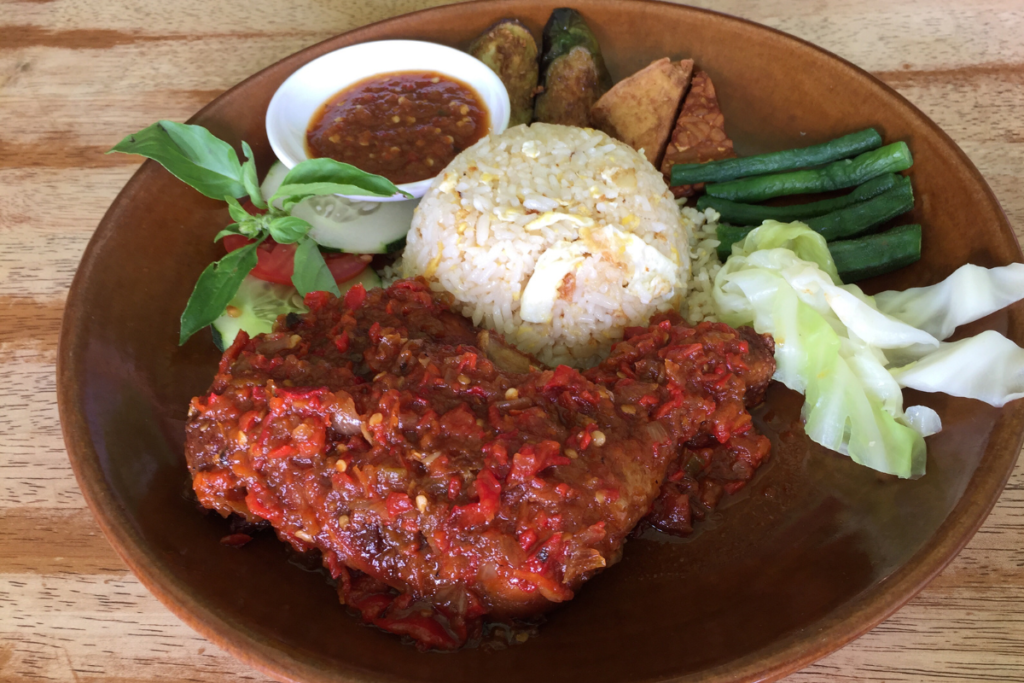
Sauces and condiments can add substantial sodium because relatively small portions may still contain concentrated amounts.
Processed meats such as sausages, luncheon meat and ham can also be high in sodium.
Instant noodles, packaged soups, savoury snacks, preserved foods and some frozen convenience meals may contribute significant amounts too.
Meals eaten outside the home can be harder to judge because sodium levels are not always visible.
This does not mean these foods can never be eaten. It means frequency and overall daily intake deserve attention.
If a meal already contains salty sauces, processed meat or soup, you may not need to add extra salt at the table.
How Much Salt Is Too Much?
WHO recommends that adults consume less than 2 grams of sodium per day.
This is equivalent to less than about 5 grams of salt per day — roughly one teaspoon of salt from all food sources combined.
The important phrase is “from all food sources.” The recommendation does not mean you can add one teaspoon during cooking and then ignore sodium already present in packaged foods, sauces and restaurant meals.
In practice, people do not need to measure every grain of salt. Reducing the major sources of sodium in the diet can make a meaningful difference.
A daily salt guideline includes sodium already present in food, not just the salt you personally add during cooking.
Reading Food Labels
Food labels can help when comparing similar packaged products.
Look at the sodium amount and check whether it is stated per serving or per 100 grams.
Also check the serving size. If you normally eat two servings, your sodium intake will be approximately twice the amount listed per serving.
In Singapore, the Healthier Choice Symbol can help identify products that meet specific nutritional criteria within their category, including products with lower sodium where relevant.
You do not need to choose the lowest-sodium food in the supermarket every time. Comparing products you buy frequently is a practical place to start.
Choose one product you use often — such as sauce, soup or instant noodles — and compare its sodium with two alternatives. Repeated small savings can add up.
Practical Ways to Reduce Sodium
You do not need to remove every salty food overnight.
Start by using slightly less salt and salty seasoning during cooking. Taste food before automatically adding more.
Herbs, spices, garlic, ginger, chilli, lime, lemon and other aromatic ingredients can add flavour without relying entirely on salt.
Use sauces in smaller amounts and consider lower-sodium versions when they are available.
Choose fresh meat, fish, eggs, tofu and legumes more often instead of depending heavily on processed meats.
When eating instant noodles or soup-based meals, using less of the seasoning packet or drinking less of the broth can reduce some sodium intake.
When eating outside, avoid automatically adding extra sauces before tasting the meal.
Your taste preferences can gradually adjust. Reducing salt little by little may feel easier than suddenly trying to eat food with almost no seasoning.
Does Drinking More Water Cancel Out a Salty Meal?
Drinking enough water is important for normal hydration, but water does not simply cancel out the cardiovascular effects of consistently high sodium intake.
The kidneys help regulate sodium and fluid balance, but repeatedly consuming excessive sodium still matters.
The more useful strategy is to manage sodium intake over time rather than trying to compensate for high-salt meals by drinking unusually large amounts of water.
People with heart or kidney conditions may also have individual fluid recommendations and should follow their healthcare team's advice.
What About Sea Salt, Pink Salt or Premium Salt?
Different salts may vary in taste, texture and small amounts of trace minerals, but they still contain sodium.
Changing from regular table salt to a more expensive salt does not automatically make a high-sodium diet healthy.
The amount used remains important.
If your main goal is blood-pressure control, focus more on overall sodium intake than on whether the salt has a premium label.
Lower-Sodium Salt: Is It Suitable?
Some lower-sodium salt products replace part of the sodium chloride with potassium salts.
HealthHub notes that lower-sodium salt can help reduce sodium intake and may be useful for some people.
However, potassium-containing salt substitutes are not suitable for everyone.
People with kidney disease, certain heart conditions or those taking medications that affect potassium levels may need to avoid or limit these products.
If you have a chronic medical condition or take regular medication, ask your healthcare professional before switching to potassium-based salt substitutes.
“Lower sodium” does not automatically mean suitable for everyone. Potassium-based salt substitutes can be unsafe for some people with kidney disease or certain medical conditions.
Salt Reduction Works Best as Part of the Bigger Picture
Blood pressure is influenced by more than sodium alone.
Maintaining a healthy body weight, staying physically active, following a balanced diet, avoiding tobacco and limiting excessive alcohol also contribute to cardiovascular health.
SingHealth includes reducing salt consumption alongside these broader lifestyle measures for blood-pressure management.
For people with diagnosed hypertension, lifestyle changes and prescribed treatment work together rather than replacing one another.
Key Takeaways
- Salt contains sodium, but salt and sodium are not exactly the same thing.
- Excess sodium intake can raise blood pressure, especially in sodium-sensitive individuals.
- High blood pressure often has no obvious symptoms.
- Sodium can come from sauces, processed meats, instant foods, snacks and meals eaten outside the home.
- WHO recommends less than 2 grams of sodium, or about 5 grams of salt, per day for adults.
- Nutrition labels can help you compare sodium levels between similar packaged foods.
- Reducing sodium gradually can make lower-salt eating easier to maintain.
- Herbs, spices and aromatic ingredients can add flavour without relying entirely on salt.
- Lower-sodium potassium salts may not be appropriate for everyone.
- Salt reduction should complement, not replace, appropriate hypertension treatment.
Sources & References
- Health Promotion Board, Singapore — HealthHub. High Blood Pressure: Healthy Eating Guide. HealthHub Singapore
- Health Promotion Board, Singapore — HealthHub. Reduce Your Salt and Sugar Intake. HealthHub Singapore
- Health Promotion Board, Singapore — HealthHub. Hypertension. HealthHub Singapore
- SingHealth. Salt Intake Rising in Singapore. SingHealth
- SingHealth. High Blood Pressure (Hypertension) Management. SingHealth
- World Health Organization. Diet, Nutrition and Hypertension — Sodium and Salt Intake. World Health Organization
About KnowvaLife
KnowvaLife creates practical health and wellness content designed to make everyday health information easier to understand. Our content is educational and does not replace personalised advice from qualified healthcare professionals.