Immune Health: Everyday Habits That Support Your Body’s Defences
Your immune system works every day to recognise and respond to potential threats. There is no single food, supplement or “immune booster” that guarantees protection, but healthy habits can help support normal immune function and overall health.
This article provides general educational information and does not replace personalised medical advice. People with immune disorders, chronic illnesses or medical treatments that affect immunity should follow guidance from their healthcare team.
In This Article
Introduction
The immune system is often talked about as though it were something you can simply switch on or “boost” with one food or supplement.
In reality, immunity is far more complex.
Your immune system involves many different cells, tissues, organs and signalling processes that work together to identify and respond to germs and other potentially harmful substances.
Supporting immune health therefore means looking after the whole body rather than searching for one miracle ingredient.
Healthy eating, regular movement, adequate sleep, avoiding tobacco and keeping recommended vaccinations up to date are among the practical habits that can support overall health and normal immune function.
What Does the Immune System Do?
The immune system helps protect the body from harmful microorganisms and other substances that could cause illness.
It includes physical barriers such as the skin, specialised immune cells, antibodies and organs involved in producing and coordinating immune responses.
Some parts of immunity respond rapidly and broadly to potential threats.
Other parts develop more specific responses after exposure to an infection or vaccination.
This complexity is one reason the idea of simply “boosting” immunity can be misleading. A healthy immune system needs balance and appropriate responses rather than being permanently activated.
Think “support immune health” rather than “boost immunity.” The goal is to give your body the nutrition, rest and healthy environment it needs to function normally.
Eat a Varied, Balanced Diet
The immune system needs energy and nutrients to function normally.
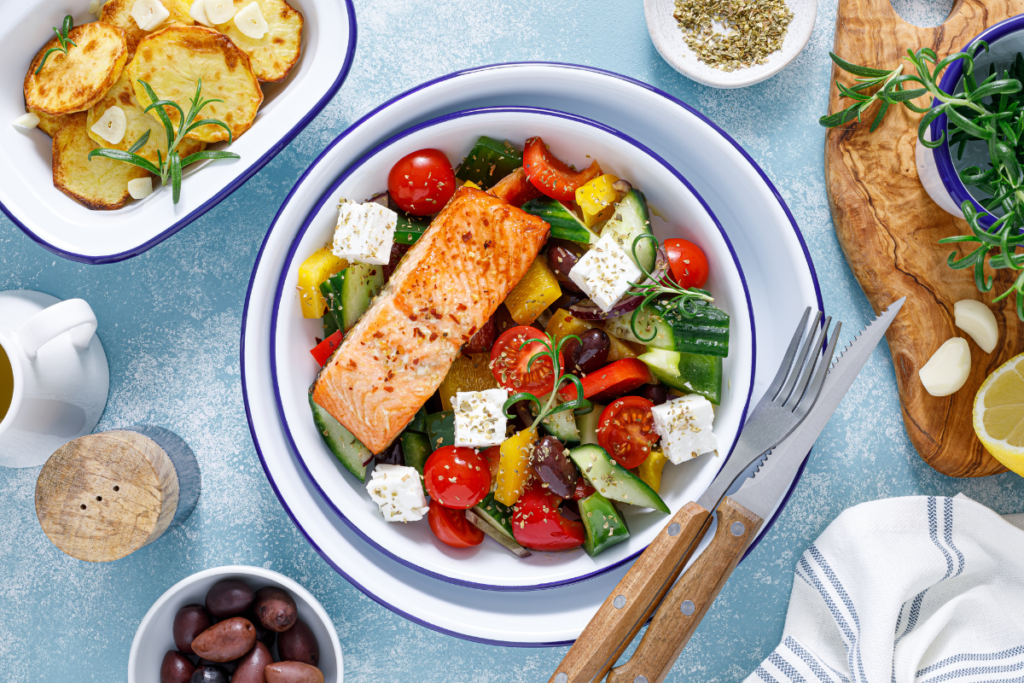
A varied diet helps provide protein, vitamins, minerals and other nutrients that support normal body functions.
Rather than relying on one so-called “immune food,” aim for a broad range of vegetables, fruits, whole grains, legumes, nuts, seeds and suitable protein sources.
WHO recommends healthy dietary patterns based on variety, balance, moderation and nutrient-rich foods.
Protein is important because the body uses amino acids to build many tissues and proteins, including those involved in immune responses.
Micronutrients such as vitamins A, C, D, B vitamins, zinc, iron, selenium and others also have roles in normal immune function, but this does not mean taking large supplemental doses provides extra protection.
Instead of buying an expensive “immune-boosting” product, start by improving the variety on your plate. Different foods provide different nutrients.
Do Citrus Fruits Prevent You From Getting Sick?
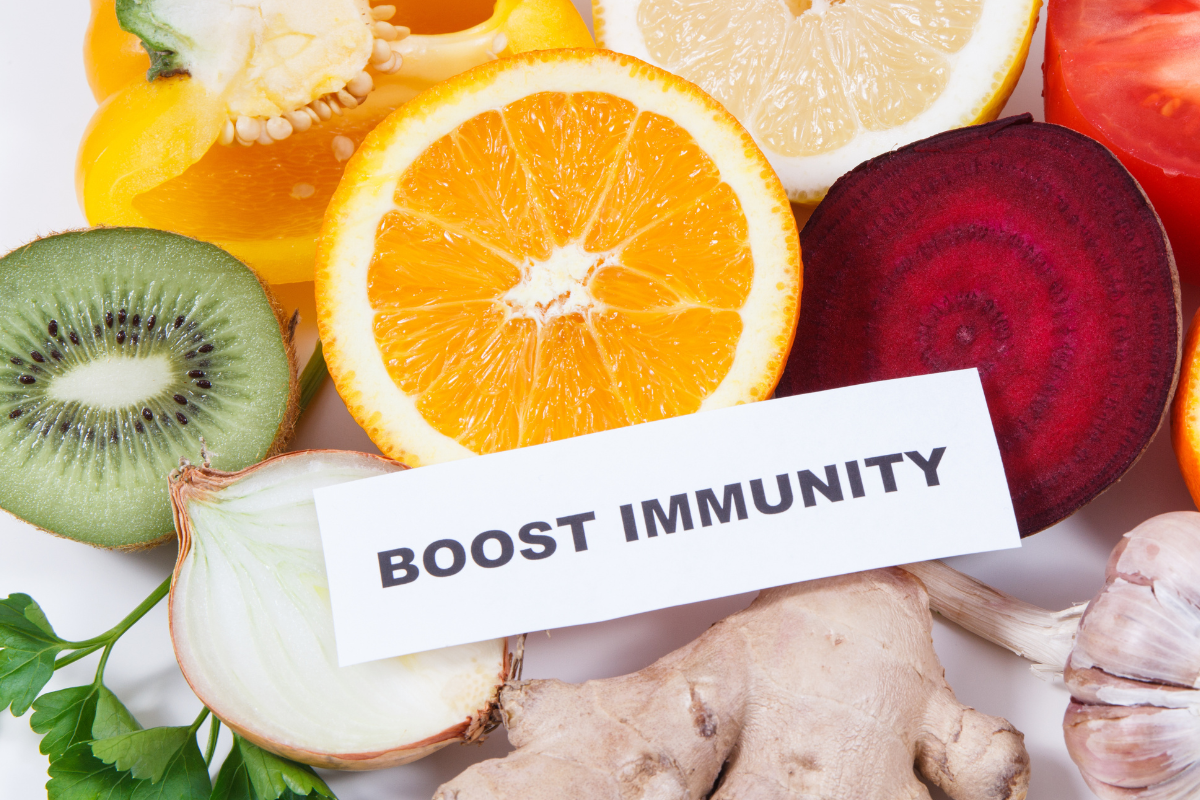
Citrus fruits such as oranges provide vitamin C and can be part of a nutritious diet.
However, eating oranges does not guarantee that you will avoid infections.
Vitamin C contributes to normal immune function, but it works alongside many other nutrients and biological processes.
This is why a balanced dietary pattern matters more than concentrating heavily on one fruit, juice or supplement.
Get Enough Sleep
Sleep is closely connected with immune function.
HealthHub notes that good-quality sleep supports immune health, while repeated sleep loss can negatively affect immune functioning.
Sleep also supports mood, concentration, metabolism and everyday physical recovery.
Adults should aim to create enough opportunity for regular, good-quality sleep rather than repeatedly treating sleep as time that can be sacrificed.
Keeping a fairly consistent bedtime and wake time, reducing late-night screen use and creating a quiet sleeping environment can help support better sleep habits.
If your schedule is busy, protect your sleep the same way you protect an important appointment. Regularly losing sleep can affect much more than just your energy the next day.
Stay Physically Active
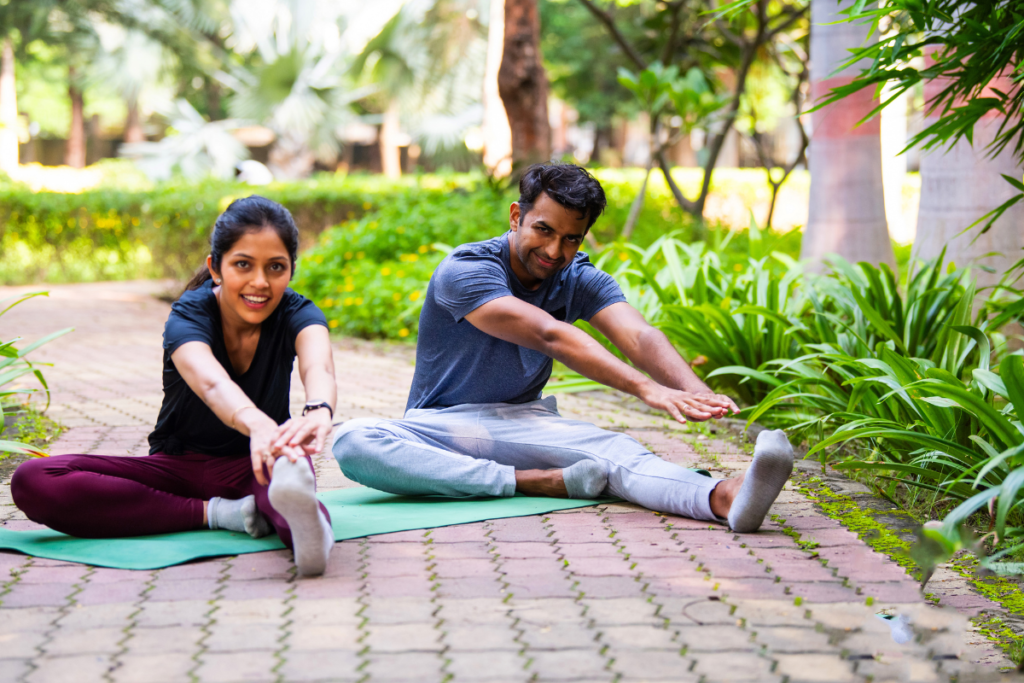
Regular physical activity supports cardiovascular fitness, metabolic health, mental well-being and normal immune function.
CDC includes physical activity among the healthy lifestyle habits that support immunity.
Singapore guidelines recommend that healthy adults accumulate around 150 to 300 minutes of moderate-intensity aerobic activity each week, together with muscle-strengthening activities.
You do not need to perform intense workouts every day.
Brisk walking, cycling, swimming, sports, strength exercises and other forms of movement can all contribute.
People who are currently inactive can begin with smaller amounts and increase gradually.
Regular moderate activity is more useful than occasionally exercising extremely hard and then doing nothing for the rest of the week.
Avoid Smoking and Excess Alcohol
Tobacco smoke exposes the body to harmful substances and affects the lungs, blood vessels and many other systems.
CDC includes avoiding smoking among important healthy habits that support immune health.
Smoking can also increase the risk of respiratory infections and several chronic diseases.
Excessive alcohol intake can likewise affect overall health and immune function.
If you drink alcohol, keeping intake within appropriate health guidance is preferable to heavy or frequent drinking.
Smoking and heavy alcohol use do not only affect immunity. They are also established risk factors for cardiovascular disease, cancer and other chronic conditions.
Vaccination Supports Specific Immunity
Vaccination is one of the most direct ways to help the immune system prepare for specific infectious diseases.
WHO explains that vaccines work with the body's natural defences to develop protection against specific infections before exposure occurs.
Vaccination does not mean you will never become ill from anything.
Instead, vaccines train immune responses against particular diseases and can reduce the risk of severe illness and complications.
Which vaccines are recommended depends on age, medical history, pregnancy status, occupation, travel plans and other factors.
Check whether your routine vaccinations are up to date during regular healthcare visits rather than waiting until an outbreak or travel emergency occurs.
What About Supplements?
Supplements can be useful when a nutrient deficiency exists or when a healthcare professional recommends them for a specific reason.
But taking more vitamins does not necessarily make the immune system work better.
Very large doses of some vitamins and minerals can cause side effects or interact with medications.
A supplement should not be treated as a replacement for balanced nutrition, adequate sleep, exercise or vaccination.
If you have a diagnosed deficiency, restrictive diet, pregnancy, chronic illness or other medical need, personalised advice may be appropriate.
“Natural” supplements can still cause side effects or interact with medicines. Check with a healthcare professional or pharmacist if you are unsure whether a supplement is appropriate for you.
Be Careful With “Immune Booster” Claims
Products marketed for immunity often use appealing phrases such as “supercharge,” “detox,” “boost” or “strengthen your defences.”
These terms can make complex biology sound much simpler than it really is.
No ordinary food can guarantee that you will not catch an infection.
Likewise, a drink, powder or supplement cannot substitute for recommended vaccinations or appropriate medical care.
When evaluating a claim, ask whether there is good-quality evidence behind it and whether the product is making promises that sound too certain.
Be cautious when a product promises to “boost immunity instantly.” Strong health claims deserve strong evidence.
Does Stress Affect Immune Health?
Stress is a normal part of life, and short periods of stress are not automatically harmful.
However, prolonged stress can influence sleep, eating habits, physical activity and other behaviours that support health.
Managing stress therefore matters partly because it makes healthy routines easier to maintain.
Useful strategies can include physical activity, relaxation techniques, time outdoors, social connection and addressing major sources of ongoing stress when possible.
Focus on Consistency
Supporting immune health is not a seven-day challenge or a special diet.
The habits that matter are generally the same habits that support overall long-term health.
Eat a varied diet, move regularly, get sufficient sleep, avoid smoking, limit excessive alcohol and stay up to date with appropriate vaccinations.
These habits cannot guarantee that you will never become sick.
But they provide the body with a healthier foundation for normal immune function and disease prevention.
Your immune system does not need a dramatic reset. Focus on healthy routines you can maintain week after week.
Key Takeaways
- The immune system is a complex network of cells, tissues and organs that helps protect the body.
- There is no single food or supplement that guarantees stronger immunity.
- A varied, balanced diet provides nutrients required for normal immune function.
- Good-quality sleep supports healthy immune functioning.
- Regular physical activity is part of an overall healthy lifestyle that supports immunity.
- Avoiding smoking and excessive alcohol benefits immune and overall health.
- Vaccination helps the immune system develop protection against specific infectious diseases.
- High-dose supplements are not automatically better and can sometimes cause harm.
- Be cautious of products promising to “boost immunity” quickly.
- Consistent healthy habits matter more than short-term immune-health trends.
Sources & References
- Health Promotion Board, Singapore — HealthHub. Healthy Brain: Tips for Healthy Living and Better Sleep. HealthHub Singapore
- Health Promotion Board, Singapore — HealthHub. How Much Exercise Is Enough? HealthHub Singapore
- Health Promotion Board, Singapore — HealthHub. Ways to Achieve a Healthier Body and Mind. HealthHub Singapore
- Centers for Disease Control and Prevention. Healthy Habits: Enhancing Immunity. CDC
- World Health Organization. Vaccines and Immunization: What Is Vaccination? World Health Organization
- World Health Organization. Everyday Actions for Better Health — WHO Recommendations. World Health Organization
About KnowvaLife
KnowvaLife creates practical health and wellness content designed to make everyday health information easier to understand. Our content is educational and does not replace personalised advice from qualified healthcare professionals.