Respiratory Health: Everyday Ways to Protect Your Lungs
Your lungs work continuously to bring oxygen into your body and remove carbon dioxide. Avoiding tobacco smoke, reducing exposure to polluted air and workplace hazards, staying active and paying attention to persistent respiratory symptoms can all help support long-term lung health.
This article provides general educational information and does not replace personalised medical advice, diagnosis or treatment. Persistent breathing difficulty, chest pain, coughing up blood or sudden severe shortness of breath requires appropriate medical assessment.
In This Article
Introduction
Most of us rarely think about breathing until it becomes difficult.
Yet your respiratory system works continuously from the moment you are born, moving air into and out of the lungs so your body can obtain oxygen and remove carbon dioxide.
Your lung health is influenced by more than genetics or ageing. The air you breathe, whether you smoke, substances you encounter at work, respiratory infections and existing health conditions can all make a difference.
The World Health Organization identifies tobacco smoke, air pollution and occupational exposures among important risk factors for chronic respiratory diseases.
Although not every lung condition can be prevented, reducing avoidable exposures and responding appropriately to symptoms can help protect respiratory health over time.
Your Lungs Work Around the Clock
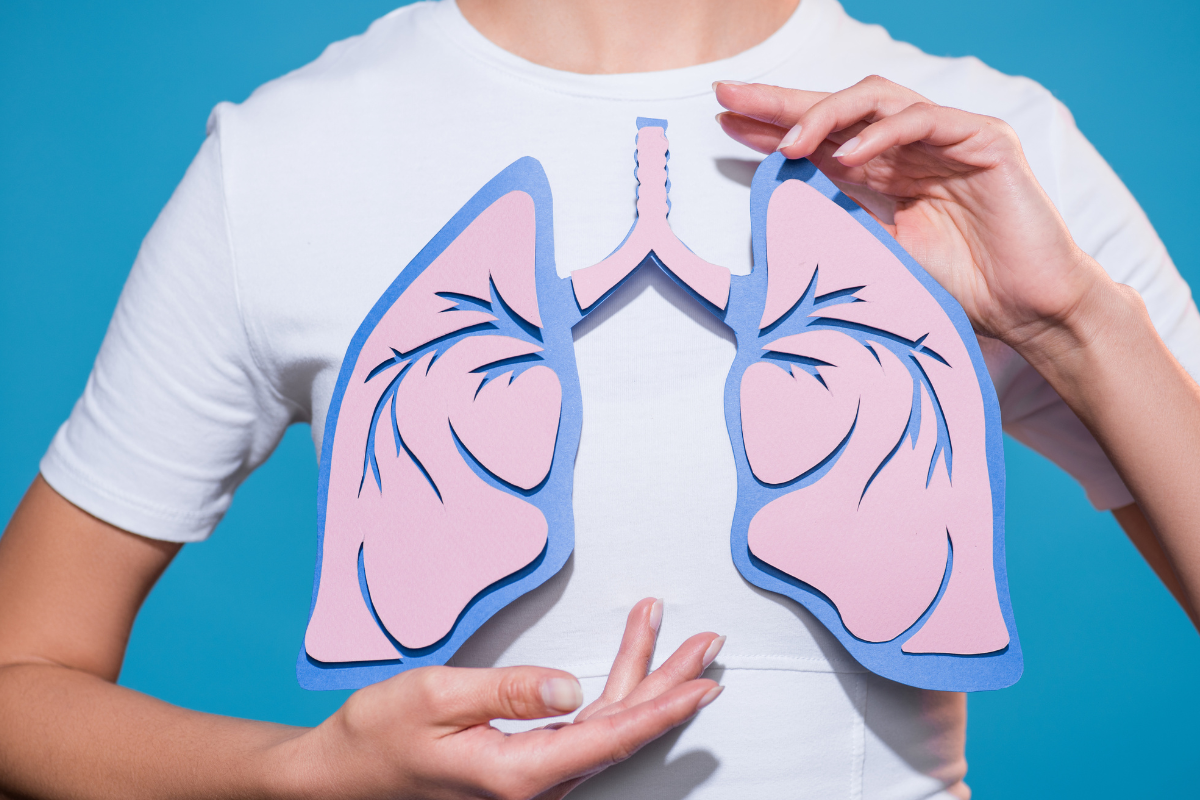
When you inhale, air travels through your airways and eventually reaches tiny air sacs in the lungs called alveoli.
This is where oxygen moves into the bloodstream while carbon dioxide moves from the blood into the lungs to be breathed out.
Your respiratory system also has protective mechanisms designed to help keep unwanted particles and microorganisms from reaching deeper lung tissue.
Mucus can trap particles, while tiny hair-like structures called cilia help move mucus and debris through the airways.
Repeated exposure to harmful substances can interfere with these protective systems and contribute to inflammation or damage.
You cannot control everything you breathe, but reducing repeated exposure to tobacco smoke, fumes, dust and polluted air is one of the most practical ways to protect your lungs.
Avoid Smoking and Second-Hand Smoke
Tobacco smoke is one of the clearest preventable threats to respiratory health.
Smoking damages lung tissue and is strongly associated with chronic obstructive pulmonary disease, commonly known as COPD.
COPD causes restricted airflow and can lead to chronic cough, phlegm, wheezing and breathlessness.
Smoking also increases the risk of lung cancer and can worsen existing respiratory conditions such as asthma.
Second-hand smoke matters too. People who do not smoke can still inhale harmful substances when exposed to tobacco smoke from others.
Creating smoke-free homes and vehicles helps reduce this unnecessary exposure, particularly for children and people with respiratory disease.
There is no safe level of tobacco exposure. If you smoke, quitting is one of the most important steps you can take for your lungs and overall health.
Is It Too Late to Quit Smoking?
No.
Stopping smoking remains beneficial even after someone has smoked for many years.
For people with COPD who smoke, WHO identifies smoking cessation as particularly important because quitting can slow progression of the disease.
The benefits of quitting extend beyond respiratory health and include reductions in cardiovascular and cancer risks.
Nicotine dependence can make quitting difficult, so professional cessation support and appropriate treatments can be useful rather than relying entirely on willpower.
Pay Attention to Air Quality
Outdoor air pollution can contain fine particles and gases produced by sources such as transport, industry and fuel combustion.
These pollutants can enter the respiratory system and contribute to both short- and long-term health effects.
People with asthma, COPD or other respiratory conditions may be particularly sensitive when air quality becomes poor.
When pollution or haze levels are elevated, following local public-health advice can help you decide whether strenuous outdoor activity should be reduced or moved indoors.
Indoor air quality also matters.
Tobacco smoke, cooking fumes, mould, dust and certain chemicals can all contribute to respiratory irritation in enclosed spaces.
If air quality is poor, check local health advisories before doing prolonged or strenuous outdoor exercise, especially if you have asthma or another lung condition.
What About Indoor Air?
People can spend a large part of the day indoors, which makes the home and workplace environment important.
Adequate ventilation can help reduce the accumulation of some indoor pollutants where outdoor conditions permit.
Cooking areas should have suitable ventilation, particularly when cooking produces substantial smoke or fumes.
Persistent dampness and mould should also be addressed rather than simply painted over repeatedly.
If a particular cleaning product, fragrance or chemical consistently causes coughing or wheezing, reducing exposure and discussing symptoms with a healthcare professional may be appropriate.
Protect Yourself at Work
Some respiratory hazards are encountered during work rather than at home.
Dusts, fumes, gases and chemicals can affect the lungs when exposure is significant or repeated over time.
WHO recognises occupational chemicals and dusts as risk factors for chronic respiratory disease.
Jobs involving construction, manufacturing, welding, mining, chemicals or other airborne materials may require specific protective measures.
Workplace controls should focus first on reducing hazardous exposure at its source, with appropriate respiratory protective equipment used where required.
Workers should follow occupational health and safety procedures rather than assuming that an ordinary face covering protects against every type of airborne hazard.
Respiratory protection must be appropriate for the specific hazard. Different dusts, fumes, chemicals and gases can require different safety controls and protective equipment.
Stay Physically Active
Exercise does not literally make adult lungs dramatically larger, but regular physical activity can improve the efficiency of the heart, muscles and respiratory system working together.
As fitness improves, your muscles can become better at using oxygen during activity.
Aerobic activities such as brisk walking, cycling and swimming can contribute to cardiovascular and respiratory fitness.
Strength training also supports overall physical function and makes everyday activities easier.
If you have asthma, COPD or another diagnosed respiratory condition, exercise may still be beneficial, but the appropriate type and intensity can depend on your condition.
A healthcare professional or rehabilitation programme can provide individual guidance when necessary.
Build activity gradually. Becoming extremely breathless after suddenly attempting exercise far beyond your fitness level is not necessary to improve health.
Can Breathing Exercises Improve Lung Health?
Breathing exercises can be useful in certain situations, particularly as part of respiratory rehabilitation or for people managing specific breathing patterns.
However, they should not be marketed as a way to “detox” or completely repair damaged lungs.
People with chronic lung disease may be taught techniques such as pursed-lip breathing or diaphragmatic breathing as part of professional care.
The most useful approach depends on the underlying condition.
For otherwise healthy adults, regular physical activity and avoiding harmful exposures remain more important than complicated breathing routines.
Reduce Respiratory Infections
Respiratory infections range from mild viral illnesses to potentially serious pneumonia and other conditions.
Basic infection-control habits can help reduce transmission.
Wash your hands appropriately, avoid sharing items that are contaminated with respiratory secretions and cover coughs and sneezes.
When you are unwell, taking sensible precautions around vulnerable people can reduce the chance of passing an infection to them.
Vaccination also plays an important role in preventing certain respiratory infections and reducing the risk of severe disease in eligible groups.
The vaccines recommended for you depend on factors such as age, medical conditions and local immunisation guidance.
If you have a chronic respiratory condition, ask your healthcare provider which vaccinations are recommended for you rather than assuming every adult needs exactly the same schedule.
Don't Ignore Persistent Symptoms
Everyone gets an occasional cough, particularly during a respiratory infection.
But symptoms that persist, recur frequently or progressively worsen deserve attention.
A chronic cough, repeated wheezing, unexplained breathlessness or declining ability to perform normal activities may indicate an underlying respiratory problem.
Asthma and COPD are two common chronic respiratory diseases, but infections, heart problems and other conditions can also cause breathing symptoms.
Proper diagnosis matters because treatment depends on the underlying cause.
For example, COPD can be assessed using spirometry, a test that measures airflow from the lungs.
Seek prompt medical care for severe or sudden breathing difficulty, blue or grey lips, coughing up blood, significant chest pain, confusion or other severe respiratory symptoms.
Is Breathlessness Just Part of Getting Older?
Fitness and physical capacity can change with age, but persistent or worsening breathlessness should not automatically be dismissed as normal ageing.
Breathlessness can have many possible causes involving the lungs, heart, blood or overall physical conditioning.
If everyday activities that were previously manageable become increasingly difficult because of shortness of breath, medical assessment can help determine why.
Earlier recognition of chronic respiratory disease can allow appropriate treatment and lifestyle changes to begin sooner.
Protect Your Lungs for the Long Term
There is no single food, supplement or breathing technique that guarantees healthy lungs.
Respiratory health is better supported by reducing harmful exposures and maintaining overall health consistently.
Do not smoke. Avoid second-hand smoke where possible. Pay attention to air quality and workplace hazards.
Stay physically active, follow appropriate vaccination guidance and manage existing respiratory conditions according to your healthcare plan.
Most importantly, do not ignore persistent changes in your breathing.
Your lungs work for you every minute of every day. Protecting them is a long-term health habit rather than something to think about only when breathing becomes difficult.
The best lung-health strategy is usually simple: breathe cleaner air where possible, avoid tobacco, stay active and get persistent respiratory symptoms properly assessed.
Key Takeaways
- Your lungs continuously exchange oxygen and carbon dioxide to support the body.
- Tobacco smoke is a major preventable risk factor for respiratory disease.
- Second-hand smoke can also harm respiratory health.
- Indoor and outdoor air pollution can affect the lungs and worsen existing respiratory conditions.
- Workplace dusts, fumes and chemicals may require specific safety controls.
- Regular physical activity supports overall cardiovascular and respiratory fitness.
- Vaccination and basic infection-control habits can help prevent some respiratory illnesses.
- Persistent coughing, wheezing or breathlessness should not automatically be ignored.
- Severe sudden breathing difficulty requires urgent medical attention.
- Protecting lung health depends on consistent habits rather than quick fixes or “lung detoxes.”
Sources & References
- World Health Organization. Lung Health. World Health Organization
- World Health Organization. Chronic Respiratory Diseases. World Health Organization
- World Health Organization. Tobacco and Nicotine. World Health Organization
- World Health Organization. Chronic Obstructive Pulmonary Disease (COPD). World Health Organization
- Health Promotion Board, Singapore — HealthHub. Health Information and Respiratory Health Resources. HealthHub Singapore
- SingHealth. Respiratory Medicine. SingHealth
About KnowvaLife
KnowvaLife creates practical health and wellness content designed to make everyday health information easier to understand. Our content is educational and does not replace personalised advice from qualified healthcare professionals.