Eczema Explained: Common Triggers and Ways to Manage Flare-Ups
Eczema can cause dry, itchy and inflamed skin that improves and then flares again. Understanding common triggers, protecting the skin barrier and using treatment correctly can help make symptoms easier to manage.
This article provides general educational information and does not replace personalised diagnosis or treatment from a doctor or dermatologist. Severe, infected, widespread or persistent eczema should be professionally assessed.
In This Article
Introduction
Eczema is more than simply having dry skin.
For people who experience it, the itching can disrupt sleep, concentration, exercise and everyday comfort.
Symptoms may improve for a period and then suddenly flare after exposure to a trigger, hot weather, irritation or sometimes for no obvious reason.
Atopic eczema, also called atopic dermatitis, is one of the most common forms. SingHealth describes it as a condition influenced by genetic factors, abnormal skin-barrier function and immune-system activity.
Although eczema can be persistent, good skin care and appropriate treatment can help reduce symptoms and the frequency or severity of flare-ups.
What Is Eczema?
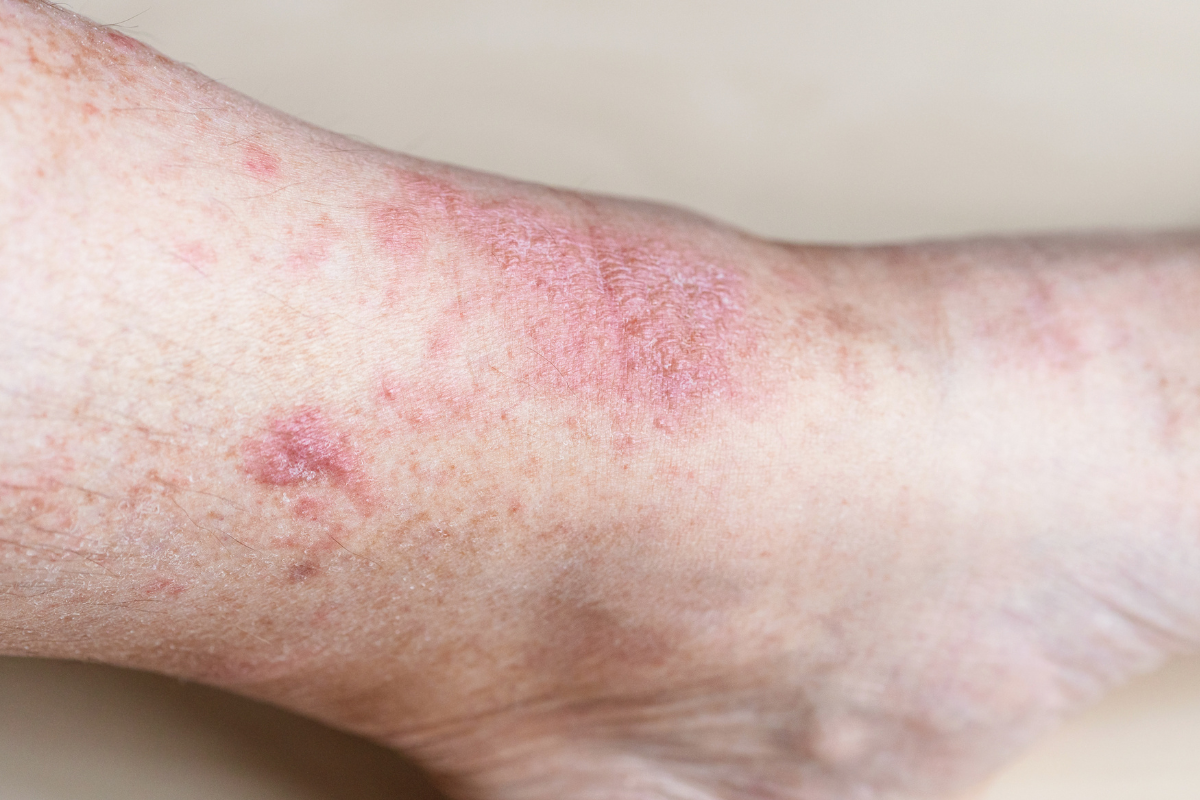
Eczema is a term used for inflammatory skin conditions that typically cause itching, dryness and redness or other visible skin changes.
Atopic eczema can affect people of different ages and may occur alongside allergic conditions such as asthma or allergic rhinitis.
The appearance can vary depending on skin tone, severity and where the eczema occurs.
Some areas may become dry and rough, while more active inflammation can cause marked itching, swelling, cracking or oozing.
Repeated scratching over time can also cause the skin to become thicker.
Eczema is not simply a cosmetic problem. Persistent itching and inflammation can significantly affect sleep and everyday quality of life.
Why the Skin Barrier Matters
The outer layer of healthy skin helps keep moisture inside while protecting the body from irritants and the outside environment.
In eczema, this barrier does not work as effectively.
Water can escape more easily, contributing to dryness, while irritants can penetrate the skin more readily and trigger inflammation.
This is one reason moisturising is not merely about making the skin feel softer.
Regular moisturiser use helps support barrier function and reduces further moisture loss. HealthHub specifically describes moisturisers as helping hydrate skin, relieve dryness and improve skin-barrier function.
With eczema, moisturiser is part of skin-barrier care. Do not wait until your skin becomes severely dry before using it.
Common Eczema Triggers
Eczema triggers are not identical for everyone.
Common aggravating factors can include harsh soaps, fragrances, sweat, heat, sudden temperature changes, cigarette smoke and irritating fabrics.
HealthHub also lists factors such as climate changes, dust mites, pet fur, infections and stress among potential triggers in some people.
In a hot and humid environment, heat and perspiration can be particularly troublesome. SingHealth notes that sweating can irritate eczema and may worsen itching, particularly where sweat collects in skin folds.
This does not mean every suspected trigger needs to be eliminated immediately.
Keeping track of when flare-ups occur can help identify patterns instead of creating an unnecessarily restrictive lifestyle.
If your eczema repeatedly worsens after the same product, activity or exposure, make a note of it. Patterns over time are more useful than guessing at dozens of possible triggers.
Is Eczema Always Caused by Food?
No.
Food allergy can be relevant in some people, particularly certain children with eczema, but food is not the cause of every eczema flare.
HealthHub notes that food allergy does not commonly trigger eczema in young children compared with other aggravating factors.
Unnecessary elimination diets can create nutritional problems, especially in children.
If a true food allergy is suspected, professional allergy or medical assessment is safer than removing multiple foods without guidance.
Moisturising Is a Core Habit
Consistent moisturising is one of the foundations of eczema management.
HealthHub advises daily moisturising and recommends applying moisturiser soon after bathing to help retain moisture in the skin.
Creams and ointments generally provide a stronger moisturising effect than lighter lotions because they contain more oil.
Fragrance-free products may be preferable because fragrances can irritate sensitive skin in some people.
Moisturiser should usually be applied generously to dry skin rather than only to the visibly worst patch.
For people with frequent flares, maintaining the skin barrier between flares can be just as important as treating active inflammation.
Keep moisturiser somewhere convenient. A product you use consistently is more useful than an expensive product that stays unopened in the cupboard.
What About Hot Showers?
Very hot water can worsen dryness and irritation in some people with eczema.
HealthHub recommends avoiding frequent use of hot water for children with atopic dermatitis and using gentler cleansing approaches instead.
Warm rather than very hot showers can be more comfortable for sensitive skin.
After bathing, gently pat the skin rather than aggressively rubbing it dry, then apply moisturiser while some moisture remains in the skin.
Treating Inflammation During Flares
Moisturisers help protect the skin barrier, but they may not be enough to control significant inflammation during an active eczema flare.
Doctors commonly prescribe topical corticosteroids to reduce redness, itching and inflammation.
HealthHub advises applying prescribed topical steroids directly to affected areas according to the instructions provided and using the appropriate amount.
Other prescription treatments, including topical medicines such as pimecrolimus, may be used in appropriate patients.
The correct treatment depends on the person's age, severity, location of the rash and previous response to therapy.
Do not borrow another person's steroid cream or repeatedly use prescription creams without understanding their strength and instructions. Different areas of the body may require different treatments.
Are Steroid Creams Dangerous?
Topical corticosteroids can cause side effects when used incorrectly, but fear of them can also lead people to undertreat significant eczema.
SingHealth notes that topical steroids are useful for reducing eczema inflammation and addresses common misconceptions about their use.
The safest approach is not to avoid all steroids or use them freely.
Use the prescribed strength, amount, location and duration recommended by your healthcare professional.
If you are worried about side effects, discuss those concerns rather than quietly stopping treatment and allowing severe inflammation to continue.
The Itch–Scratch Cycle
Itching is one of the most troublesome symptoms of eczema.
Unfortunately, scratching can damage the skin barrier further, causing more inflammation and creating even more itching.
This produces what is sometimes called the itch–scratch cycle.
Keeping nails short may reduce skin injury from unconscious scratching.
Cool compresses, moisturising and appropriate treatment of inflammation can also help reduce the urge to scratch.
Night-time itching deserves attention because repeated sleep disruption can affect mood, concentration and overall well-being.
If itching keeps waking you at night, mention it to your healthcare professional. Sleep disruption is an important part of eczema severity.
When Eczema May Be Infected
Scratching and cracks in the skin can make it easier for bacteria and other microorganisms to enter.
Possible signs of infection can include increasing pain, warmth, swelling, crusting, pus or rapidly worsening redness.
Very wet or weeping eczema may also need assessment because infection can sometimes be present. SingHealth notes that weepy eczema can be infected and may require antibiotics when appropriate.
Fever or feeling generally unwell alongside rapidly worsening skin symptoms is another reason to seek medical attention.
Treatment of infected eczema is different from simply applying more moisturiser.
Seek medical assessment if eczema becomes increasingly painful, hot, swollen, crusted or weepy, spreads rapidly, or is associated with fever or feeling unwell.
When Should You See a Dermatologist?
Many mild cases of eczema can be managed in primary care.
Specialist dermatology assessment may be useful when eczema remains poorly controlled despite appropriate treatment, repeatedly becomes infected, covers large areas or significantly disrupts sleep and everyday life.
Specialists can also help when the diagnosis is uncertain or when contact allergy is suspected.
Patch testing, for example, may be used in selected cases to investigate allergic contact dermatitis.
Building a Routine That Works
Eczema often requires ongoing management rather than a single treatment that permanently removes the condition.
Start with consistent skin-barrier care.
Use gentle cleansing, moisturise regularly and identify the triggers that actually affect you.
During flare-ups, follow the treatment plan given by your healthcare professional instead of waiting until inflammation becomes severe.
Pay attention to signs of infection and to the impact itching has on sleep and quality of life.
With a practical routine and appropriate treatment, many people can achieve much better control over their symptoms.
A simple eczema routine followed consistently is usually more useful than constantly changing products whenever a flare occurs.
Key Takeaways
- Eczema commonly causes dry, itchy and inflamed skin.
- Atopic eczema involves both skin-barrier problems and inflammation.
- Triggers vary between individuals and can include heat, sweat, harsh soaps and irritating fabrics.
- Food is not the cause of every eczema flare.
- Regular moisturising is a core part of eczema management.
- Applying moisturiser soon after bathing can help retain skin moisture.
- Prescription anti-inflammatory treatments may be needed during active flares.
- Scratching can worsen the skin barrier and create an itch–scratch cycle.
- Increasing pain, crusting, weeping or fever can indicate possible infection.
- Persistent or severe eczema deserves professional medical assessment.
Sources & References
- Health Promotion Board, Singapore — HealthHub. Eczema. HealthHub Singapore
- Health Promotion Board, Singapore — HealthHub. Moisturisers. HealthHub Singapore
- Health Promotion Board, Singapore — HealthHub. Topical Steroids. HealthHub Singapore
- SingHealth. Eczema. SingHealth
- SingHealth. Sun and Heat Can Trigger Eczema. SingHealth
About KnowvaLife
KnowvaLife creates practical health and wellness content designed to make everyday health information easier to understand. Our content is educational and does not replace personalised advice from qualified healthcare professionals.