
Balanced Nutrition: Building a Healthier Plate
A balanced plate does not need to be complicated. A few practical choices can help you build meals that provide variety, nourishment and steady energy without turning everyday eating into a strict set of rules.
This article provides general nutrition information for educational purposes only and does not replace personalised advice from a qualified healthcare professional or dietitian. Individual needs may differ based on age, health conditions, medications, pregnancy, allergies, activity level and other factors.
In This Article
Introduction
Balanced nutrition is not about eating perfectly or following one rigid meal plan. Healthy diets can look very different depending on culture, preferences, budget, lifestyle and the foods that are available. What matters most is the overall pattern. The World Health Organization describes four core principles of a healthy diet: adequacy, balance, moderation and diversity.
In practical terms, that means giving your body enough of the nutrients it needs, keeping energy intake broadly in line with your needs, limiting foods or nutrients that may be harmful in excess, and eating a variety of nutritious foods over time. These principles are flexible enough to fit familiar meals rather than forcing everyone to eat the same way.
A simple plate approach can make those ideas easier to use. Instead of counting every calorie or weighing every ingredient, look at whether your meal includes vegetables or fruit, a source of protein, a suitable carbohydrate, and some healthy fat where appropriate. This gives you a practical structure while leaving room for different cuisines, family meals and personal preferences.
Make Vegetables and Fruit a Regular Part of Meals
Vegetables and fruit provide fibre, vitamins, minerals and a wide range of naturally occurring plant compounds. WHO recommends that people older than 10 years aim for at least 400 grams of fruit and vegetables per day. Fresh produce is useful, but frozen and canned options can also contribute when they do not contain added sugars or excessive sodium.
You do not need to turn every meal into a large salad. Vegetables can be stir-fried, steamed, roasted, added to soups, curries, rice dishes, noodles or sandwiches. Fruit can be served with breakfast, eaten as a snack or added to yoghurt or oats. What matters is making plant foods a regular part of the day.
Variety is useful because different vegetables and fruit provide different nutrients. Dark leafy vegetables, tomatoes, carrots, mushrooms, beans, citrus fruit, bananas, berries and other locally available produce can all fit. There is no need to rely on one fashionable “superfood” when a varied pattern does the job more effectively.
If your usual meal is mostly rice or noodles, start by adding one extra vegetable portion. Small changes to meals you already enjoy are often easier to maintain than replacing the whole dish.
Include a Quality Protein Source
Protein supports the maintenance and repair of body tissues and is involved in many enzymes, hormones and immune functions. Including a clear protein source can also make a meal more satisfying and help prevent the plate from being dominated by only one food group.
Protein can come from many foods. Fish, eggs, poultry, lean meat, tofu, tempeh, beans, peas, lentils, nuts and seeds are all useful choices. USDA MyPlate guidance also encourages variety within the protein group, including seafood, eggs, legumes, nuts, seeds and soy products rather than relying on the same source every day.
Plant-based protein foods can be especially practical because many provide other nutrients at the same time. Beans, peas and lentils contribute fibre as well as protein, while soy foods such as tofu and tempeh can work easily in soups, stir-fries and rice-based meals.
Protein needs are not identical for everyone. Children, older adults, pregnant people, athletes and those with kidney or other medical conditions may have different requirements. Personalised guidance may be useful when needs are more complex.
Choose Carbohydrates with Balance in Mind
Carbohydrates are the body's primary source of energy. WHO recommends that, for most people, carbohydrate foods come mainly from whole grains, vegetables, fruit and pulses. Higher-fibre options can contribute more fibre and nutrients, but that does not mean every familiar refined staple has to disappear from your diet.
Brown rice, oats, wholegrain bread, corn, potatoes with skin, beans and lentils are examples of useful carbohydrate foods. If your household normally eats white rice, however, you can still build a balanced plate by keeping the portion sensible and pairing it with vegetables and a protein source.
This is often more realistic than forcing a complete switch to foods you do not enjoy. A meal of rice, grilled fish, vegetables and fruit can still be well balanced. The point is to look at the whole plate rather than judging one ingredient by itself.
Think “improve the plate,” not “ban the carbohydrate.” Adding vegetables, fibre and protein around your usual staple can make the meal more balanced without making it unfamiliar.
Include Healthy Fats in Sensible Amounts
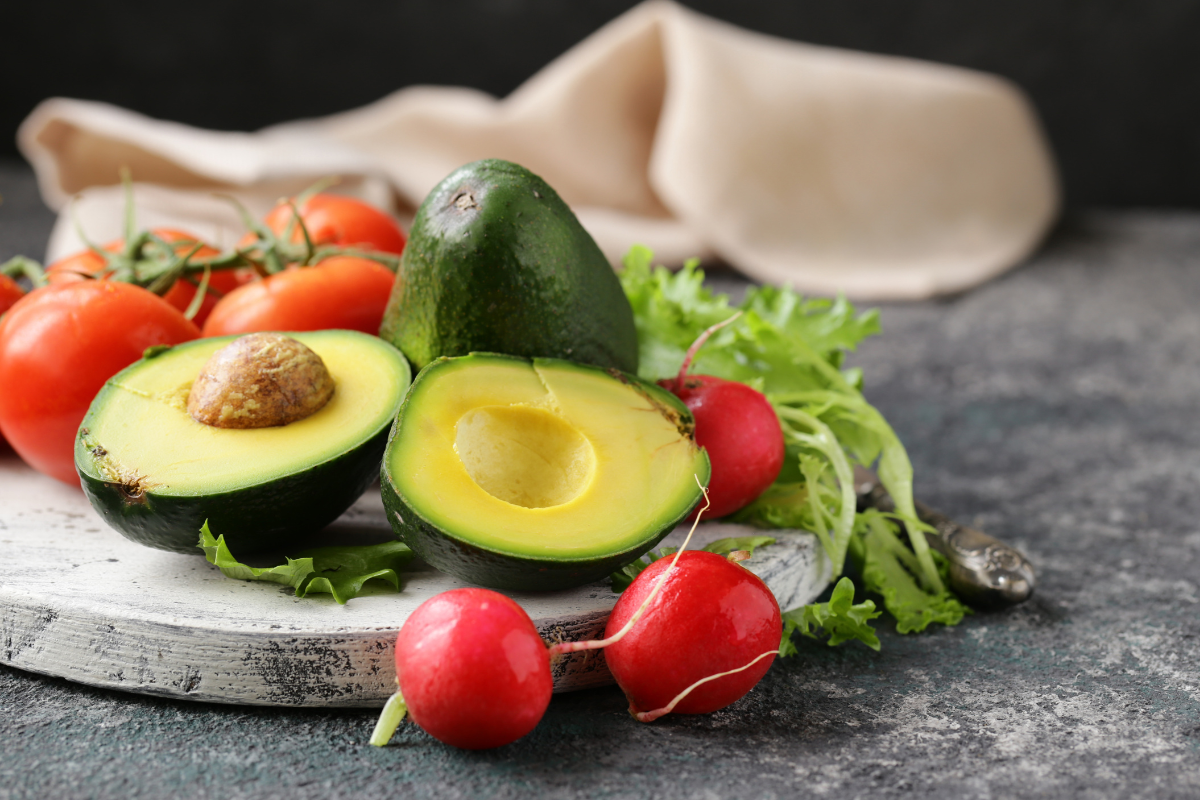
Fat is an essential nutrient, but the type of fat matters. WHO recommends prioritising unsaturated fats and keeping saturated and trans fats lower. Unsaturated fats are found in foods such as fish, avocado, nuts, seeds and oils including canola, soybean, sunflower and similar plant oils.
Healthy fats do not need to take up a large part of the plate. A small handful of nuts, some seeds, a modest amount of cooking oil, avocado or oily fish can contribute useful fats. Because fats are energy-dense, more is not automatically better.
At the same time, foods high in saturated fat, industrial trans fat, free sugars and sodium are best kept in moderation. This does not mean a single dessert, fried food or richer meal ruins a healthy diet. The overall pattern across days and weeks matters much more than one occasion.
Even oils that are considered healthier are concentrated sources of energy. Use enough for cooking and flavour rather than assuming that large amounts are automatically beneficial.
Think About Variety, Portions and the Whole Day
There is no single perfect portion size for everyone. Food needs vary according to age, body size, activity level, health status and individual goals. That is why a balanced plate is best used as a flexible visual guide rather than a strict measurement system.
A useful starting point is to make vegetables and fruit prominent, include a meaningful protein source, add a suitable portion of carbohydrate and use healthy fats in moderation. From there, pay attention to hunger, fullness, energy and how the meal fits with what you have eaten throughout the day.
Variety across the week also matters. If breakfast is simple, lunch and dinner can provide more vegetables or protein. If one meal is heavier, the next meal does not need to become extremely restrictive. Returning to your usual balanced pattern is enough.
This flexible approach makes room for cultural foods, family meals, celebrations and personal preferences. A sustainable healthy diet should support everyday life rather than make eating feel like a constant test.
A Simple Way to Build a Healthier Plate
When preparing a meal, begin with the foods you already eat. Add one or two vegetables, choose a protein, include your preferred carbohydrate and use a modest amount of fat for cooking or flavour. If fruit fits naturally with the meal or as a snack later, include it.
For example, one plate might include rice, grilled chicken and mixed vegetables. Another could be tofu with vegetables and noodles. Breakfast might be eggs with wholegrain toast and fruit, or oats with milk or fortified soy drink, fruit and nuts. The exact foods can change while the basic idea remains the same.
The plate method is simply a reminder to create balance. It can be especially helpful when you are eating out, ordering takeaway or preparing familiar dishes because it lets you make small improvements without measuring every ingredient.
What Balanced Nutrition Is Not
Balanced nutrition is not a list of “good” and “bad” foods. It is also not a requirement to eat perfectly every day. Eating patterns are built over time. One dessert, celebration or takeaway meal does not erase the value of healthier choices made at other meals.
It is also not about copying someone else's diet. A meal plan designed for an athlete, a person with diabetes or someone trying to gain weight may not be appropriate for you. Nutrition becomes more individual when there are medical conditions, food allergies, eating disorders, pregnancy or specific performance goals.
For most people, the more useful question is not “Was this meal perfect?” but “Does my overall way of eating provide enough variety and nourishment while keeping less nutritious choices in moderation?” That question is easier to live with and better reflects how healthy diets work in the real world.
Key Takeaways
- Healthy diets are built around adequacy, balance, moderation and diversity.
- Make vegetables and fruit a regular part of meals and snacks.
- Include a clear protein source such as fish, eggs, tofu, beans, lentils or lean meat.
- Carbohydrates can remain part of a healthy plate; focus on quality, fibre, balance and portion size.
- Prefer unsaturated fats and keep saturated fat, trans fat, free sugars and excess sodium in moderation.
- There is no single perfect plate for everyone; individual needs and cultural preferences matter.
- Small, repeatable improvements are usually more sustainable than restrictive diet rules.
Sources & References
About KnowvaLife
KnowvaLife creates practical health and wellness content designed to make everyday health information easier to understand. Our content is educational and does not replace personalised advice from qualified healthcare professionals.