Philippines Flooding Raises Leptospirosis Risk: What You Need to Know
Flooding can increase the risk of leptospirosis when people come into contact with water or soil contaminated by urine from infected animals. Health authorities advise people in flood-affected areas to take precautions and seek medical attention if symptoms develop after exposure.
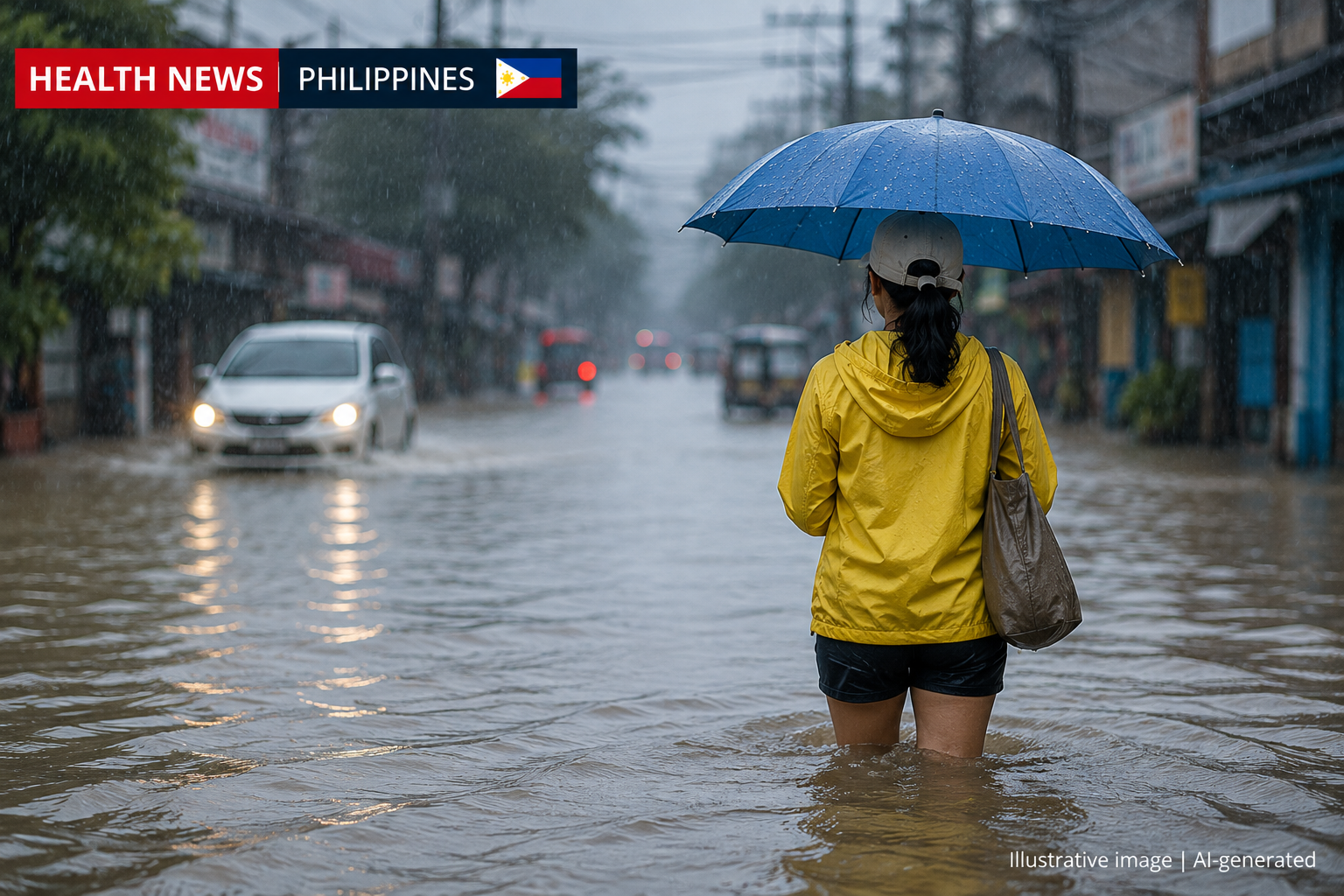
Illustrative image | AI-generated
This report provides general educational health information and does not replace personalised medical advice, diagnosis or treatment. Anyone who develops symptoms after floodwater exposure should seek advice from a qualified healthcare professional.
MANILA, Philippines — Flooding during periods of heavy rain can increase the risk of leptospirosis, putting people who wade through or otherwise come into contact with contaminated floodwater at greater risk of infection.
Leptospirosis is a bacterial disease associated with exposure to water or soil contaminated by the urine of infected animals. Rodents are an important source of infection, although other animals can also carry the bacteria.
The risk becomes particularly relevant during flooding because contaminated soil, animal waste and other material can mix with water that spreads through streets, homes and communities.
Flooding Raises Health Concerns
People living or working in flood-affected areas may have little choice but to enter standing or moving water, particularly when travelling, cleaning homes or moving belongings.
Contact with contaminated floodwater can create an opportunity for the bacteria that cause leptospirosis to enter the body.
The bacteria may enter through cuts, scratches or other damaged areas of skin. Exposure may also occur through the eyes, nose or mouth.
Floodwater does not need to look dirty to present a health risk. Contamination may not be visible, so unnecessary contact with floodwater should be avoided whenever possible.
Why Leptospirosis Risk Can Increase After Flooding
Leptospirosis is caused by bacteria belonging to the genus Leptospira.
Infected animals can release the bacteria into the environment through their urine. The organisms can then contaminate water and wet soil.
During flooding, people may be exposed while wading through water, cleaning flooded properties, handling contaminated objects or spending extended periods in wet environments.
People with uncovered cuts, wounds or scratches may have an additional route through which the bacteria can enter the body.
Symptoms People Should Watch For
Symptoms of leptospirosis can vary and may initially resemble other illnesses.
Possible signs and symptoms can include:
- Fever
- Headache
- Muscle aches or pain
- Red eyes
- Nausea or vomiting
- Abdominal discomfort
- Diarrhoea
- Rash
Some infections may be mild, while more serious cases can lead to complications involving organs such as the kidneys or liver.
If you become unwell after walking or working in floodwater, tell the healthcare professional that you recently had floodwater exposure. That information can be important when assessing your symptoms.
How People Can Reduce Their Exposure
Avoiding unnecessary contact with floodwater is one of the most important precautions people can take.
Where entering floodwater cannot be avoided, protective footwear such as waterproof boots can help reduce direct skin exposure.
Cuts, scratches and wounds should be covered with waterproof dressings before entering potentially contaminated water.
After exposure, people should wash areas of the body that came into contact with floodwater using soap and clean water as soon as practical.
Wet or contaminated clothing should be changed, while footwear and equipment exposed to floodwater should be cleaned appropriately.
During periods of heavy rain, households in flood-prone areas can keep waterproof dressings, soap, clean water and suitable protective footwear easily accessible.
What to Do After Contact With Floodwater
People who have walked through floodwater should check their feet, legs and hands for cuts, scratches or other skin injuries and wash exposed areas thoroughly.
They should also continue monitoring their health after the exposure because symptoms of leptospirosis may not necessarily appear immediately.
Anyone concerned about the extent of their exposure can seek advice from a healthcare professional, who can assess individual circumstances and determine whether further action is appropriate.
When Medical Attention Is Needed
People who develop fever, headache, muscle pain, vomiting or other concerning symptoms after floodwater exposure should seek medical attention.
When speaking with a healthcare professional, it is important to mention recent contact with floodwater or potentially contaminated water.
Early medical assessment allows healthcare professionals to consider a person's symptoms and exposure history and determine whether testing or treatment may be needed.
Antibiotics should not be taken simply because someone entered floodwater unless advised or prescribed by a qualified healthcare professional. The appropriate medical approach depends on the person's exposure and individual circumstances.
What to Watch in the Days Ahead
People in areas affected by flooding should continue following health and safety advisories issued by Philippine authorities, particularly as floodwaters recede and communities begin cleaning affected homes and neighbourhoods.
Avoiding unnecessary floodwater exposure, protecting wounds and seeking medical attention when symptoms develop remain important measures for reducing the health impact associated with leptospirosis.
Key Takeaways
- Floodwater may contain disease-causing organisms even when contamination is not visible.
- Leptospirosis can be associated with water or soil contaminated by urine from infected animals.
- The bacteria may enter through damaged skin or the eyes, nose or mouth.
- Avoid unnecessary contact with floodwater whenever possible.
- Cover cuts and wounds and use protective footwear when floodwater exposure cannot be avoided.
- Wash exposed skin with soap and clean water after contact with floodwater.
- Seek medical attention if concerning symptoms develop after exposure.
- Tell the healthcare professional about any recent floodwater exposure.
Sources & References
- Department of Health – Cordillera Administrative Region, Philippines. Leptospirosis. Read the DOH guidance
- Department of Health – Cordillera Administrative Region, Philippines. Iwasan ang Leptospirosis. Read the DOH advisory
- World Health Organization. Leptospirosis. Read WHO information
- World Health Organization. How do I protect my health in a flood? Read WHO flood guidance
- World Health Organization. Floods. Read WHO flood information
About KnowvaLife
KnowvaLife provides practical health and wellness information to help readers better understand health issues that may affect everyday life. Health News reports focus on timely developments while providing clear context from recognised health authorities.