10 Superfoods You Should Eat Every Day
No single food can transform your health on its own. But building everyday meals around nutrient-rich foods such as vegetables, fruit, whole grains, legumes, nuts and healthy protein sources can make a meaningful difference to the quality of your diet.
This article provides general nutrition information for educational purposes only and does not replace personalised advice from a qualified healthcare professional or dietitian. Individual nutritional needs vary according to age, health conditions, medications, allergies, pregnancy, activity level and other factors.
In This Article
Introduction
The word “superfood” is popular, but it is not a scientific category. No individual food can compensate for an unbalanced diet, and there is no ingredient that everyone must eat every single day. A healthier eating pattern comes from the combination of foods you choose regularly.
Current healthy-diet guidance emphasises variety and nutrient-dense foods. Vegetables, fruit, pulses such as beans and lentils, whole grains, nuts, seeds and suitable protein foods can provide fibre, vitamins, minerals, protein and beneficial fats. The World Health Organization also recommends limiting free sugars, excess sodium, saturated fat and industrially produced trans fat.
So think of the following ten foods as practical categories to rotate through your meals rather than a compulsory checklist. You might eat several of them today and different ones tomorrow. The aim is variety across the week, using foods that suit your budget, preferences and usual way of eating.
Leafy Green Vegetables
Leafy vegetables such as spinach, bok choy, kale, chye sim and other greens are useful ways to add vitamins, minerals and fibre to meals without making the meal complicated. They can be steamed, stir-fried, added to soups or mixed into noodles and rice dishes.
Rather than focusing on one particular green, rotate what is affordable and available. Different vegetables provide different combinations of nutrients, so variety is more useful than trying to identify a single “best” vegetable.
Keep frozen or easy-to-cook vegetables available for busy days. Convenience can make it easier to include vegetables consistently.
Berries
Berries provide fibre, vitamins and naturally occurring plant compounds. Strawberries, blueberries, raspberries and other varieties can be eaten on their own or added to oats and plain yoghurt.
They are nutritious, but they are not essential. If berries are expensive or difficult to find, other fruit can play the same everyday role. Bananas, oranges, papaya, apples, guava and many other fruits contribute to a varied healthy diet.
Beans and Lentils
Beans, lentils, chickpeas and peas are valuable because they provide plant protein as well as dietary fibre. They can be added to soups, stews, salads, curries and rice dishes or used to replace part of the meat in a meal.
They are also often inexpensive compared with many packaged foods marketed as “superfoods.” Canned versions can be convenient; choosing lower-sodium options or draining and rinsing them can help reduce sodium intake.
If you rarely eat legumes, start with a small portion in a familiar soup, curry or rice dish rather than changing an entire meal at once.
Oats
Oats are a whole grain and a practical source of dietary fibre. They can work as a simple breakfast with fruit, milk or fortified soy drink, yoghurt, nuts or seeds.
Whole grains are recommended as part of healthy dietary patterns because they retain more of the grain's original components than highly refined grains. Oats are one option; brown rice, wholegrain bread, barley and other whole grains can provide variety.
Nuts
Nuts such as almonds, walnuts, peanuts, cashews and pistachios provide unsaturated fats, protein and other nutrients. A small portion can be an easy snack or can add texture to oats, yoghurt and savoury dishes.
Choose unsalted or lightly salted versions more often when possible. Nuts are energy-dense, so a modest portion is usually enough. People with nut allergies should avoid the relevant nuts and use suitable alternatives.
Whole nuts can be a choking hazard for young children. Age-appropriate preparation and supervision are important.
Seeds
Seeds such as chia, flax, sesame, sunflower and pumpkin seeds can contribute unsaturated fats, fibre, protein and minerals. They are easy to add in small amounts to breakfast foods, soups, salads and other meals.
Seeds do not need to be bought as expensive speciality products. Sesame seeds and other familiar options can fit just as well. Use them as one part of a varied diet rather than expecting a spoonful of seeds to produce dramatic health effects.
Fish
Fish is a useful source of protein, and many types provide important nutrients. Oily fish can also provide omega-3 fatty acids. Healthy dietary guidance commonly recommends varying protein choices rather than relying on one source.
Preparation matters. Steaming, grilling, baking or cooking fish in soups can keep the meal relatively simple, while vegetables and a suitable carbohydrate can complete the plate.
Advice about fish type and intake can differ for pregnant people and young children because some fish contain more mercury than others. Follow appropriate local health guidance when this applies.
Eggs
Eggs are a convenient source of protein and several vitamins and minerals. They are easy to prepare and can work at breakfast, lunch or dinner alongside vegetables and other foods.
What surrounds the egg matters too. An egg served with vegetables, wholegrain toast or another balanced meal is different from treating one ingredient as the entire meal. Nutrition is best considered at the level of the whole plate and overall eating pattern.
Plain Yoghurt
Plain yoghurt can provide protein and calcium, and yoghurt made with live cultures contains microorganisms used in fermentation. Choosing plain varieties can help avoid the larger amounts of added sugar found in some flavoured products.
You can add your own fruit, oats, nuts or seeds for flavour and texture. If you do not consume dairy, fortified alternatives may be suitable, but nutritional content varies between products, so checking the label can be useful.
Colourful Vegetables
Red peppers, tomatoes, carrots, pumpkin, broccoli, eggplant and other colourful vegetables help increase the variety of plant foods in your diet. Colour is not a perfect measure of nutrition, but using different vegetables is an easy reminder not to eat the same few foods every day.
WHO recommends at least 400 grams of fruit and vegetables per day for people older than 10 years. You do not have to reach that through raw produce alone. Fresh, frozen and appropriately prepared vegetables can all contribute.
When looking at your lunch or dinner, ask whether you can add one more colour. A tomato, green vegetable, carrot or piece of fruit can be a simple upgrade.
Do You Really Need to Eat All 10 Every Day?
No. Despite the title, the healthier goal is to include these kinds of nutrient-rich foods regularly, not force all ten into every day. Variety across several days is more practical and allows you to use seasonal foods, leftovers and whatever is affordable.
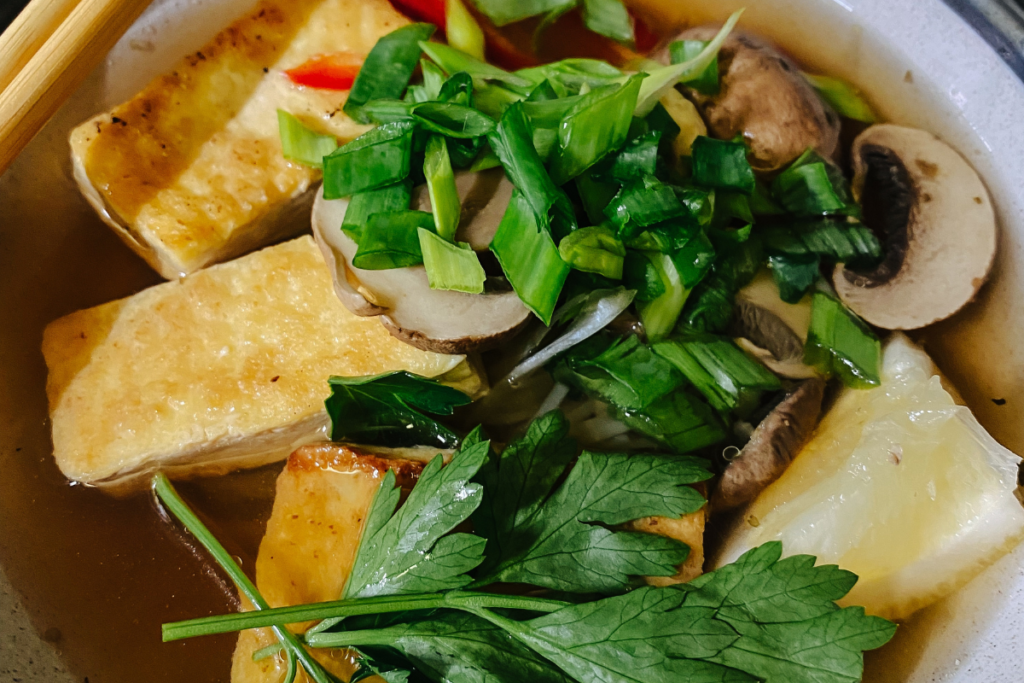
For example, breakfast might include oats, yoghurt, banana and seeds. Lunch could include rice, fish and two vegetables. Dinner might contain tofu, leafy greens and another vegetable. The following day could use eggs, lentils, nuts and different fruit instead.
This approach also avoids turning healthy eating into an expensive shopping list. Basic foods can provide excellent nutrition. You do not need powders, exotic berries or products labelled “superfood” to build a high-quality diet.
The Bigger Picture Matters More Than Any One Food
A healthy eating pattern includes more than adding nutritious foods. It also involves moderation. WHO recommends limiting free sugars and sodium, favouring unsaturated over saturated fats and avoiding industrially produced trans fats.
That means adding berries to a heavily sweetened breakfast does not automatically make the entire meal balanced. Similarly, eating vegetables at dinner does not cancel out an overall pattern that is consistently very high in sodium or low in fibre.
Use nutrient-rich foods to build the foundation of your meals, but keep the overall pattern in view. Healthy eating becomes more sustainable when it is based on ordinary foods, sensible portions and choices you can repeat.
Key Takeaways
- “Superfood” is a popular term, not a scientific food category.
- No single food can replace a varied and balanced diet.
- Vegetables, fruit, whole grains, legumes, nuts, seeds and quality protein foods are useful foundations for everyday meals.
- You do not need to eat all ten foods every day; rotate different nutritious foods across the week.
- Affordable, familiar foods can be just as valuable as expensive products marketed as superfoods.
- Preparation and the overall meal matter, not only the individual ingredient.
- A healthy dietary pattern also keeps free sugars, excess sodium, saturated fat and trans fat in check.
Sources & References
About KnowvaLife
KnowvaLife creates practical health and wellness content designed to make everyday health information easier to understand. Our content is educational and does not replace personalised advice from qualified healthcare professionals.