First Aid Basics: What Every Household Should Know
First aid cannot replace professional medical care, but knowing how to respond during the first few minutes of an injury or emergency can help protect someone from further harm while appropriate medical help is arranged.
This article provides general first-aid awareness and does not replace certified first-aid training, emergency medical services or professional medical advice. Emergency procedures differ depending on the casualty's age, condition and circumstances. In a medical emergency in Singapore, call 995.
In This Article
Introduction
Small injuries happen in almost every household.
A child may fall and scrape a knee, someone may cut a finger while preparing food, or hot liquid may accidentally spill onto the skin.
More serious emergencies can also happen without warning.
First aid refers to immediate assistance given to someone who is injured or suddenly becomes unwell before professional medical care is available.
The aim is not to diagnose every problem yourself. It is to recognise danger, prevent further harm and get appropriate help when necessary.
Start by Checking for Danger
Before helping an injured person, make sure the environment is safe enough for you to approach.
A rescuer who becomes injured creates another emergency.
Potential dangers can include traffic, electricity, fire, smoke, broken glass, chemicals or unstable surroundings.
If it is unsafe to approach, contact emergency services rather than placing yourself in serious danger.
Once it is safe, check whether the person responds when spoken to and whether they appear to be breathing normally.
A person who is unconscious, not breathing normally or experiencing another life-threatening emergency requires immediate emergency assistance.
If a person is unresponsive and not breathing normally, call 995 in Singapore and follow emergency instructions. CPR and AED skills are best learned through recognised hands-on training.
Know When to Call for Emergency Help
Some situations should not be managed at home while waiting to see whether the person improves.
Examples include unconsciousness, severe breathing difficulty, suspected cardiac arrest, severe choking, major uncontrolled bleeding or serious injuries.
Possible stroke or heart-attack symptoms also require urgent assessment.
When calling emergency services, provide your location clearly and explain what has happened.
Follow the dispatcher's instructions and avoid hanging up until advised to do so.
Make sure family members know the emergency number and your home's full address. During an emergency, information that seems obvious can suddenly become difficult to remember.
Managing Bleeding
Small cuts and grazes are common and can often be managed with basic wound care.
For active bleeding, applying firm direct pressure with clean gauze, cloth or an appropriate dressing can help control blood loss.
Avoid repeatedly removing the dressing to check the wound if bleeding is continuing, because this can disturb clot formation.
Once minor bleeding has stopped, the wound can be cleaned and covered appropriately.
Severe bleeding is different.
Bleeding that is heavy, rapidly soaking through dressings or difficult to control requires urgent medical attention.
Call for emergency assistance when bleeding is severe or cannot be controlled. Do not delay professional help while repeatedly trying home treatments.
What About Objects Stuck in a Wound?
If a large object is deeply embedded in a wound, do not simply pull it out.
The object may be limiting bleeding, and removing it could worsen the injury.
Seek urgent medical assistance and avoid putting direct pressure on the embedded object itself.
Small superficial splinters are a different situation, but deep penetrating injuries deserve medical assessment.
Burns and Scalds
Burns can be caused by heat, hot liquids, flames, chemicals, electricity and other sources.
For a minor thermal burn or scald, remove the person from the heat source if it is safe to do so.
Singapore HealthHub advises cooling the affected area under cool running water for around 20 minutes and avoiding ice.
Remove nearby jewellery or loose clothing if it is not stuck to the skin, because swelling may develop.
Do not forcibly remove material that has become stuck to a burn.
After cooling, the area can be loosely protected with an appropriate clean dressing.
Ice can further damage burned tissue. Use cool running water rather than applying ice directly to the skin.
When Does a Burn Need Medical Attention?
The seriousness of a burn depends on factors including its depth, size, location and cause.
Large or deep burns, electrical burns, chemical burns and burns involving important areas such as the face may require urgent medical assessment.
Burns in very young children, older adults or people with significant medical conditions may also deserve greater caution.
Singapore's Ministry of Health distinguishes minor burns from injuries that require professional assessment and advises seeking care when symptoms are concerning or the burn is more severe.
Choking Is an Emergency
Choking occurs when food or another object blocks the airway.
A person with a complete airway obstruction may be unable to speak, breathe or cough effectively.
This is a life-threatening emergency because oxygen cannot reach the lungs normally.
First-aid techniques for choking vary according to the person's age and circumstances, which is one reason proper training is extremely valuable.
Singapore Red Cross first-aid guidance treats choking as one of the core emergencies people should know how to respond to.
If someone cannot breathe, speak or cough effectively because of suspected choking, treat the situation as an emergency and call 995. Use choking first-aid techniques only if you know the appropriate method for that person's age and situation.
Can You Give Water to Someone Who Is Choking?
Do not try to solve a severe airway blockage by giving the person water or other food.
If the airway is significantly blocked, swallowing may not be possible and delaying effective first aid can be dangerous.
A person who can cough strongly may still have some airflow and should be observed closely while appropriate help is sought if needed.
Severe choking requires immediate action.
Sprains, Falls and Possible Fractures
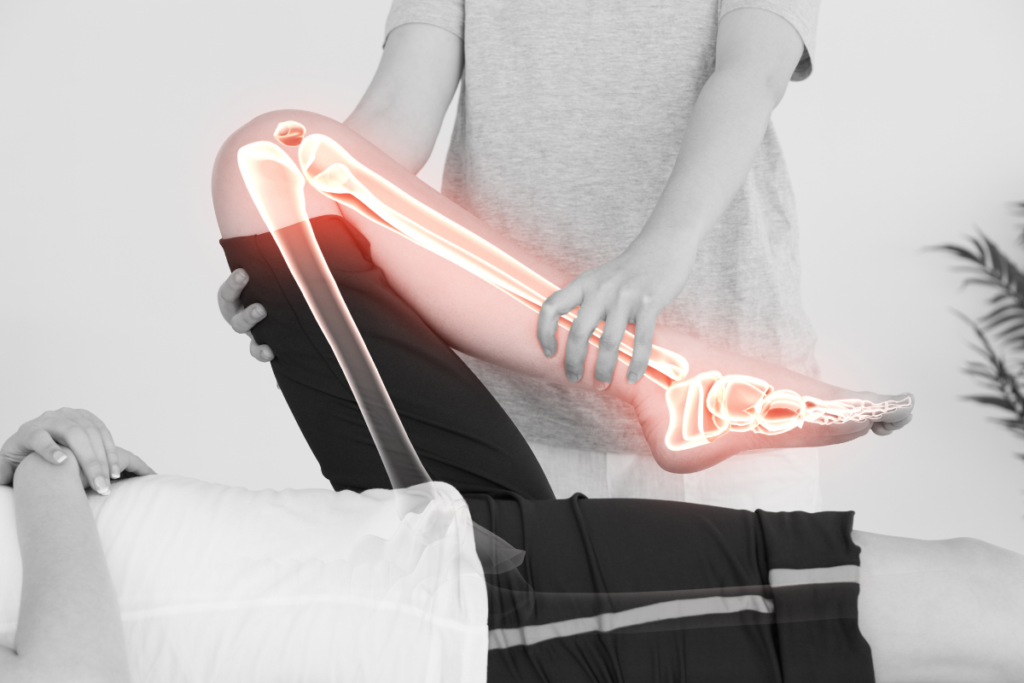
Falls and sports injuries can cause bruises, sprains or fractures.
A sprain occurs when ligaments around a joint are stretched or injured.
HealthHub recommends measures such as cold compresses and elevation for some minor injuries involving swelling or bruising.
However, severe pain, obvious deformity, inability to use the limb normally or significant swelling may indicate a more serious injury.
If a fracture is suspected, avoid unnecessary movement of the injured area and arrange appropriate medical assessment.
After a significant fall, also consider whether there may be injuries beyond the most obvious painful area.
Do not force a painful limb back into position yourself. If the injury looks deformed or movement causes significant pain, keep it as still as practical while arranging medical care.
What About Head Injuries?
A person can appear relatively well immediately after hitting their head, yet symptoms may sometimes develop later.
Concerning signs after a head injury can include loss of consciousness, repeated vomiting, worsening confusion, unusual drowsiness, seizures or worsening severe headache.
Significant head injuries and concerning neurological symptoms require prompt medical assessment.
Extra caution is appropriate for young children, older adults and people taking medicines that affect blood clotting.
Build a Useful First Aid Kit
A household first aid kit does not need to contain dozens of complicated medical products.
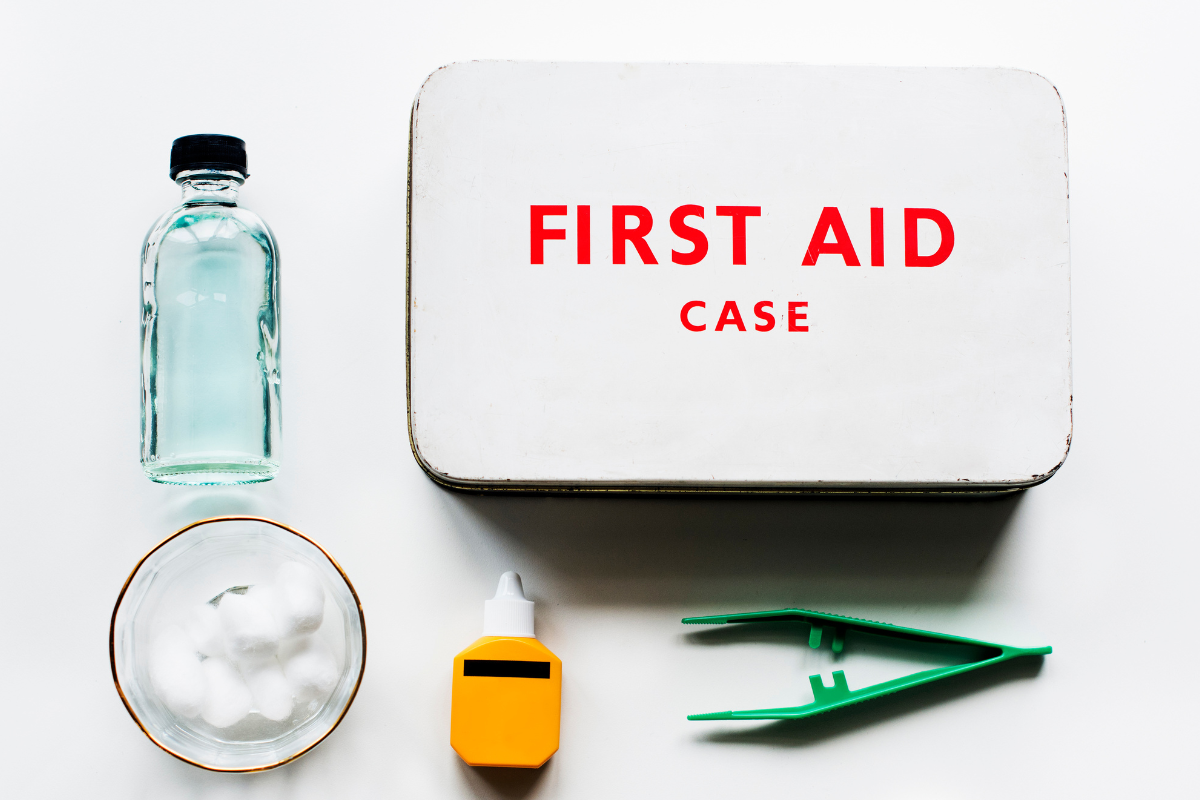
Useful basics may include sterile gauze, adhesive dressings, bandages, medical tape, disposable gloves, antiseptic or wound-cleaning supplies and scissors suitable for first-aid use.
A cold pack can be useful for minor swelling and bruising.
Any medicines kept in or near the kit should be stored safely and used according to appropriate instructions.
Check supplies periodically because dressings can become damaged and medicines can expire.
Keep the kit somewhere adults can reach quickly while ensuring medicines and potentially hazardous items remain inaccessible to young children.
Do not hide the first aid kit somewhere only one person knows about. Every responsible adult in the household should know where it is kept.
A First Aid Kit Is Not Enough
Owning first-aid supplies is useful, but equipment is most valuable when someone knows how to use it correctly.
A person facing severe choking or cardiac arrest needs skills, not simply a box of bandages.
Hands-on practice can also improve confidence in an emergency.
This is why first-aid and CPR training can be a worthwhile investment for parents, caregivers and other adults.
First Aid Training Matters
Reading about first aid is useful for awareness, but it cannot fully replace practical training.
Singapore Red Cross offers recognised courses covering first aid, CPR and AED use. Its training covers emergencies such as bleeding, burns, fractures and choking, with the aim of stabilising a casualty while professional help is arranged.
Training allows participants to practise skills under supervision and learn how techniques change for adults, children and infants.
CPR and choking procedures in particular are much easier to understand when they have been physically demonstrated and practised.
Skills can also fade over time, so refresher training may be useful.
Consider having at least one or two adults in your household complete recognised first-aid and CPR/AED training. In an emergency, preparation can make it easier to act quickly and safely.
Key Takeaways
- First aid provides immediate assistance until appropriate professional care is available.
- Always check that the environment is safe before approaching an injured person.
- Unresponsiveness, abnormal breathing, severe choking and major bleeding are medical emergencies.
- Firm direct pressure can help control many bleeding wounds.
- Minor thermal burns should be cooled with cool running water rather than ice.
- Severe choking can completely block the airway and requires immediate action.
- Possible fractures should not be forcibly straightened.
- Concerning symptoms after a head injury require medical assessment.
- Every household should have accessible basic first-aid supplies.
- Practical first-aid, CPR and AED training provides skills that reading alone cannot fully teach.
Sources & References
- Singapore Red Cross. First Aid & CPR Certification Courses. Singapore Red Cross
- Singapore Red Cross. First Aid & Resuscitation Training. Singapore Red Cross
- Health Promotion Board, Singapore — HealthHub. Burns and Scalds. HealthHub Singapore
- Ministry of Health, Singapore. Mild Burns and Scalds. Ministry of Health Singapore
- Health Promotion Board, Singapore — HealthHub. Wound Care. HealthHub Singapore
- World Health Organization. Burns. World Health Organization
About KnowvaLife
KnowvaLife creates practical health and wellness content designed to make everyday health information easier to understand. Our content is educational and does not replace personalised advice from qualified healthcare professionals.