High Blood Pressure: Causes, Warning Signs and Prevention
High blood pressure often causes no obvious symptoms, yet it can increase the risk of serious health problems over time. Understanding your blood pressure numbers, risk factors and treatment options is an important part of protecting your health.
This article provides general educational information and does not replace medical advice, diagnosis or treatment. Blood pressure targets and treatment decisions should be discussed with a qualified healthcare professional who knows your medical history.
In This Article
Introduction
High blood pressure, also called hypertension, is common and often develops without noticeable symptoms. According to the World Health Organization, many people with hypertension do not know they have it. The most reliable way to find out is to have your blood pressure measured.
Blood pressure reflects the force of circulating blood against the walls of your arteries. It is recorded using two numbers: systolic pressure, which is the pressure when the heart contracts, and diastolic pressure, which is the pressure when the heart relaxes between beats.
A single unusual reading does not always tell the whole story. Blood pressure changes throughout the day and can be influenced by activity, stress and how the measurement is taken. Diagnosis generally requires appropriate measurements and clinical assessment rather than relying on one isolated number.
What Is High Blood Pressure?
WHO defines hypertension in adults as systolic blood pressure of 140 mmHg or higher and/or diastolic blood pressure of 90 mmHg or higher when measurements are taken on two different days. Different professional guidelines may use somewhat different categories or thresholds, which is one reason your results should be interpreted in the context of local clinical guidance.
The first number is systolic pressure and the second is diastolic pressure. A reading written as 120/80 mmHg, for example, means a systolic pressure of 120 and a diastolic pressure of 80.
Hypertension usually does not produce obvious warning signs. Someone can feel completely well while their blood pressure remains elevated, which is why routine measurement is important.
Do not wait for symptoms before checking your blood pressure. If screening is available to you, regular measurement can help identify changes earlier.
Why High Blood Pressure Matters
Over time, persistently high blood pressure places additional strain on blood vessels and organs. Untreated hypertension can contribute to cardiovascular disease and is an important risk factor for heart attack and stroke.
It can also affect the kidneys, brain and eyes. The risk is influenced by how high the blood pressure is, how long it remains uncontrolled and whether other risk factors or medical conditions are present.
This is why hypertension management is about more than making a number on a monitor lower. The broader goal is to reduce the risk of complications and protect long-term health.
Feeling well does not mean high blood pressure is harmless. Hypertension can remain silent for years while still increasing health risks.
What Can Increase Your Risk?
Some hypertension risk factors cannot be changed. WHO lists factors such as increasing age, genetics and family history among those that can contribute to risk. Certain medical conditions, including diabetes and kidney disease, can also be associated with hypertension.
Other factors are linked to lifestyle. A diet high in salt, low physical activity, tobacco use, excess alcohol intake and being overweight or obese can contribute to higher risk. These factors do not mean that a person will definitely develop hypertension, but they are useful areas to address.
Because risk is influenced by several factors at once, prevention and treatment are rarely about one change alone. A combination of healthier eating, movement, appropriate weight management and medical care may be needed.
How Blood Pressure Is Checked
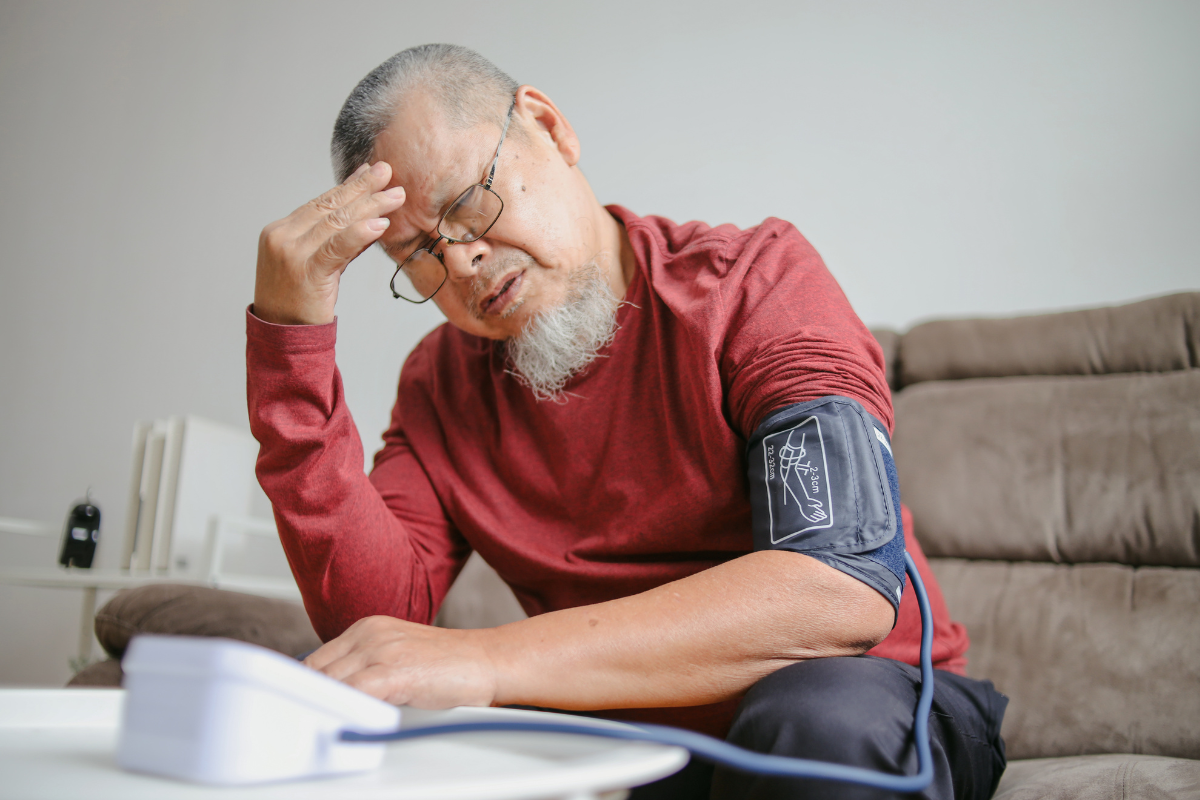
Blood pressure can be measured in clinics, pharmacies and other healthcare settings, and some people are advised to monitor it at home. Accurate technique matters because position, cuff size, recent activity and other factors can influence the reading.
When measuring at home, follow the instructions provided with a validated monitor and any directions from your healthcare professional. Sit quietly before the measurement, support your arm appropriately and avoid talking while the reading is being taken.
Keep a record if your healthcare professional asks you to monitor at home. A series of readings can provide more useful information than trying to remember individual numbers.
If you monitor at home, record the date, time and reading rather than focusing only on your highest result. Your healthcare professional can help interpret the pattern.
Lifestyle Changes Can Help
Healthy lifestyle changes are an important part of preventing and managing high blood pressure. WHO recommends eating more vegetables and fruit, being physically active, reducing salt intake, avoiding tobacco and limiting alcohol.
Adults are generally advised to get at least 150 minutes of moderate-intensity aerobic physical activity per week. Walking is one accessible option, but cycling, swimming and other activities can also contribute.
Sodium deserves particular attention. WHO recommends less than 2,000 milligrams of sodium per day for adults, equivalent to less than 5 grams of salt. Packaged foods, processed meats, instant foods, sauces and restaurant meals can contribute significant sodium even when you do not add much salt at the table.
Lifestyle changes should be realistic enough to continue. Start with practical adjustments such as walking more often, adding vegetables to meals and comparing sodium levels on foods you buy regularly.
Medication May Also Be Needed
Lifestyle changes are valuable, but they are not always sufficient by themselves. Some people need blood-pressure medication based on their readings, cardiovascular risk, other medical conditions and the judgement of their healthcare professional.
There are several types of medicines used to treat hypertension. The most appropriate option depends on the individual, and some people need more than one medication to reach their treatment goal.
If you have been prescribed medicine, take it as directed. Do not stop simply because your readings improve or because you feel well. Lower readings may be evidence that the treatment is working.
If you experience side effects or have concerns about blood-pressure medication, speak with your healthcare professional rather than changing the dose or stopping it on your own.
Know When Symptoms Need Urgent Attention
Most people with hypertension have no symptoms. However, very high blood pressure can sometimes occur with symptoms such as severe headache, chest pain, dizziness, difficulty breathing, nausea, vomiting, blurred vision, confusion or abnormal heart rhythm.
Severe symptoms — particularly chest pain, difficulty breathing, sudden weakness or numbness, major vision changes, confusion or other signs that could indicate a heart attack or stroke — require urgent medical assessment.
Do not attempt to diagnose a medical emergency from an online article or rely on home remedies when serious symptoms are present. Seek appropriate emergency care.
Can High Blood Pressure Be Prevented?
Not every case can be prevented because age, genetics and medical conditions also influence risk. However, healthy lifestyle habits can reduce modifiable risk and are valuable even for people who already have hypertension.
Regular activity, a balanced diet, less sodium, avoiding tobacco and following recommended treatment all contribute to better cardiovascular health. Routine health checks can also help identify high blood pressure before complications develop.
Prevention should not become a reason for self-blame. Hypertension can affect people who appear healthy and active. The useful question is what steps you can take now to understand and manage your individual risk.
Living With Hypertension
A diagnosis of hypertension does not mean you have to organise your entire life around blood-pressure readings. For many people, management becomes a combination of routine habits: taking medication if prescribed, attending follow-up appointments, staying active and making sensible food choices.
Monitoring can be helpful, but follow the frequency recommended by your healthcare professional rather than repeatedly checking out of anxiety. Blood pressure naturally varies, and individual readings need context.
Over time, the goal is a sustainable routine that keeps your blood pressure appropriately managed while supporting your overall health.
Key Takeaways
- High blood pressure often causes no symptoms, so measurement is important.
- Blood pressure is recorded as systolic pressure over diastolic pressure.
- Persistently high blood pressure can increase the risk of heart disease, stroke and other complications.
- Age, genetics, diet, physical activity and other health conditions can influence risk.
- Healthy eating, regular activity, lower sodium intake and avoiding tobacco can support blood-pressure management.
- Some people also need medication, and prescribed treatment should not be stopped without professional advice.
- Serious symptoms such as chest pain, breathing difficulty or signs of stroke require urgent medical attention.
Sources & References
About KnowvaLife
KnowvaLife creates practical health and wellness content designed to make everyday health information easier to understand. Our content is educational and does not replace personalised advice from qualified healthcare professionals.