High Cholesterol: What Happens Inside Your Body When Levels Stay High?
High cholesterol usually does not make you feel unwell, yet elevated LDL cholesterol can gradually contribute to plaque buildup inside arteries. Understanding what cholesterol does — and what happens when levels remain high — can help you take cardiovascular risk more seriously.
This article is for general educational purposes only and does not replace professional medical advice, diagnosis or treatment. Your cholesterol targets and treatment needs depend on your overall cardiovascular risk, medical history and other health conditions. Discuss your results with a qualified healthcare professional.
In This Article
Introduction
Cholesterol often gets described as something harmful that should be removed from the body, but the reality is more complicated. Your body needs cholesterol. It is used in cell membranes and in the production of substances such as hormones.
The problem develops when certain cholesterol-carrying particles — particularly low-density lipoprotein, or LDL — remain too high in the bloodstream. Over time, excess LDL cholesterol can contribute to fatty deposits inside artery walls.
This process may happen gradually without obvious symptoms. That is why cholesterol screening and understanding your overall cardiovascular risk matter even when you feel healthy.
What Is Cholesterol?
Cholesterol is a waxy, fat-like substance found in your body. Because cholesterol does not travel freely through the bloodstream on its own, it is transported in particles called lipoproteins.
Your liver produces cholesterol, and cholesterol can also be influenced by diet, genetics and other aspects of metabolic health.
A standard cholesterol test usually looks at several measurements rather than only one number. These commonly include total cholesterol, LDL cholesterol, HDL cholesterol and triglycerides.
Do not judge your cardiovascular health using total cholesterol alone. Your LDL, HDL, triglycerides and overall medical risk all help provide a more meaningful picture.
LDL vs HDL: What Is the Difference?
LDL is commonly known as “bad” cholesterol because higher LDL levels are associated with the buildup of cholesterol in artery walls.
Singapore HealthHub explains that LDL carries cholesterol from the liver to different areas of the body. When too much LDL cholesterol circulates in the bloodstream, cholesterol can be deposited in blood-vessel walls and contribute to atherosclerotic plaque formation.
HDL is often called “good” cholesterol. One of its roles is to transport cholesterol away from tissues and back toward the liver.
These labels are useful for understanding the basic difference, but cardiovascular risk is more complex than simply trying to maximise one number and minimise another. Your doctor may consider your entire lipid profile together with factors such as age, diabetes, blood pressure, smoking and previous cardiovascular disease.
A “good” HDL result does not automatically cancel out a high LDL level. Your cholesterol profile needs to be interpreted in the context of your overall cardiovascular risk.
What Happens When LDL Stays High?
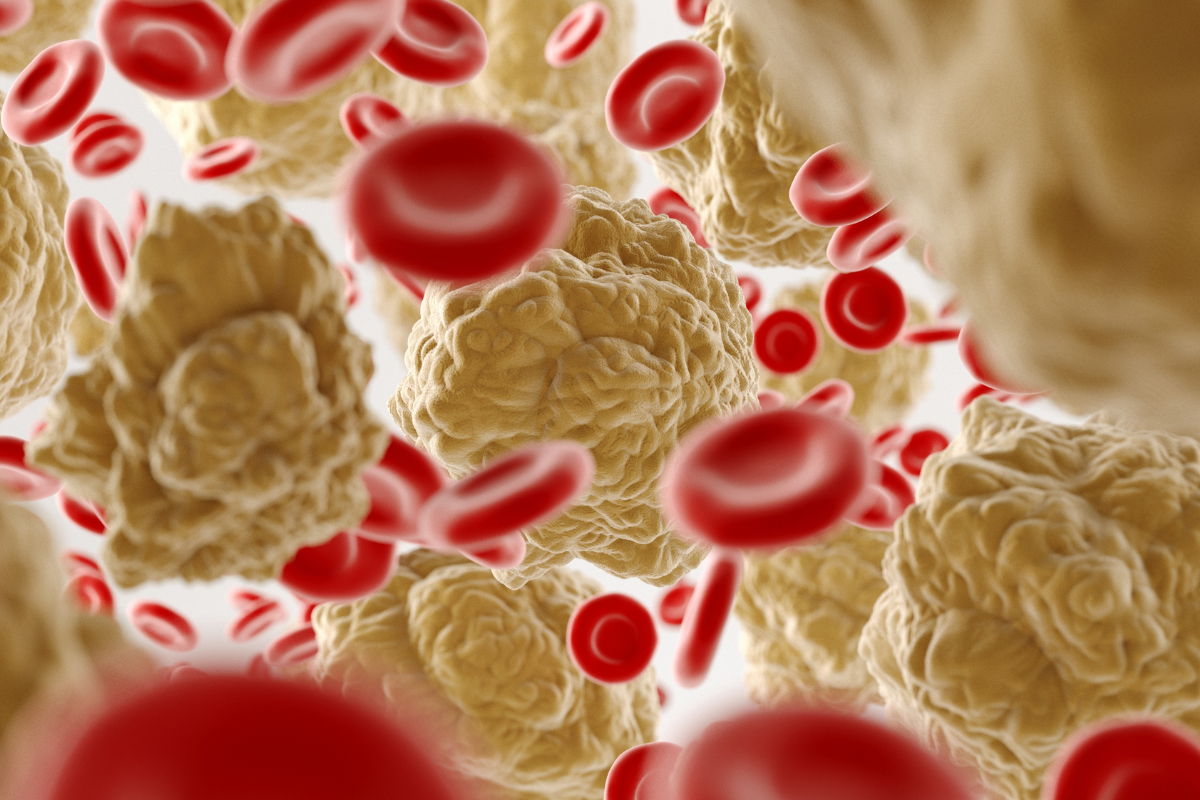
When LDL cholesterol remains high over time, cholesterol can accumulate within artery walls. This contributes to a process known as atherosclerosis.
Atherosclerosis involves more than fat simply sticking to the inside of a blood vessel. Cholesterol accumulation can trigger biological changes in the artery wall, contributing to the formation and progression of plaque.
As plaque grows, an artery may become narrower. More seriously, some plaques can become unstable and rupture. When this happens, a blood clot may form and suddenly block blood flow.
If blood flow to part of the heart becomes blocked, a heart attack can occur. If blood flow to part of the brain is interrupted, a stroke can occur.
Think of cholesterol control as long-term prevention. You may not feel LDL cholesterol damaging an artery today, but reducing cardiovascular risk now may matter years later.
Why High Cholesterol Is Easy to Miss
High cholesterol usually does not produce obvious warning symptoms. You cannot reliably tell whether your LDL is high based on how fit, energetic or healthy you feel.
This means some people only discover abnormal cholesterol during routine screening or after another cardiovascular risk factor is identified.
Someone who exercises regularly can still have high cholesterol. Genetics, diabetes, diet, age and other health factors can influence cholesterol levels.
This is also why waiting for symptoms is not a useful strategy. By the time cardiovascular symptoms appear, disease may already be established.
Chest pain, sudden shortness of breath, weakness on one side of the body, facial drooping or difficulty speaking are not symptoms to wait on. They may indicate a cardiovascular emergency and require urgent medical attention.
What Can Raise Cholesterol?
There is no single cause of high cholesterol. Genetics can have a strong influence, which means some people develop very high LDL levels despite being relatively young or appearing otherwise healthy.
Diet can also contribute. Singapore HealthHub notes that diets high in saturated fat can raise LDL cholesterol. Saturated fat is found in foods such as fatty meats, animal fat, poultry skin, butter, ghee and some high-fat dairy products.
WHO also identifies high intake of saturated and industrially produced trans fats as an important dietary risk factor for cardiovascular disease.
Other factors may include excess body weight, diabetes, low levels of physical activity, smoking and certain medical conditions or medicines.
Rather than focusing only on foods containing cholesterol, pay attention to your overall eating pattern — especially frequent sources of saturated and trans fats.
How Cholesterol Is Checked
Cholesterol is measured using a blood test known as a lipid profile or lipid panel. The results commonly include total cholesterol, LDL cholesterol, HDL cholesterol and triglycerides.
Your results should not be interpreted in isolation. Two people with the same LDL result may receive different advice depending on their age, blood pressure, diabetes status, smoking history, family history and whether they already have cardiovascular disease.
For example, someone who has already experienced a heart attack or stroke may require more intensive LDL lowering than someone at lower overall risk.
The appropriate frequency of testing also varies. Your healthcare professional can advise you based on your age and individual risk factors.
Keep a record of your cholesterol results over time. A trend can sometimes be more useful than focusing on a single test result.
What Can Help Lower Your Risk?
Managing high cholesterol usually begins with understanding your overall cardiovascular risk rather than chasing a single “perfect” number.
A heart-supportive eating pattern can include vegetables, fruit, whole grains, legumes, nuts, seeds, fish and other minimally processed foods, while reducing frequent intake of foods high in saturated and industrial trans fats.
Regular physical activity, maintaining a healthy weight where appropriate and avoiding tobacco also support cardiovascular health.
Lifestyle changes may not be enough for everyone. Some people require cholesterol-lowering medicines, particularly when LDL is very high or cardiovascular risk is already elevated.
Statins are one commonly used group of medicines. SingHealth explains that statins lower LDL cholesterol and may reduce the risk of heart attack and stroke.
Do not stop cholesterol medication because your latest result has improved unless your healthcare professional advises you to do so. The improvement may be occurring partly because the medication is working.
Does Eating Cholesterol Automatically Give You High Cholesterol?
Dietary cholesterol and blood cholesterol are related concepts, but they are not exactly the same thing. Your body produces cholesterol internally, and several dietary and genetic factors influence blood cholesterol levels.
For cardiovascular health, dietary patterns high in saturated and trans fats are particularly important because they can increase LDL cholesterol.
This means it is often more useful to look at your entire dietary pattern rather than becoming overly focused on one individual food.
What About People Who Are Slim and Active?
Being physically active and maintaining a healthy body weight are beneficial, but they do not guarantee normal cholesterol levels.
Inherited conditions can cause very high LDL cholesterol. Diabetes and other metabolic conditions may also affect cardiovascular risk even in people who do not appear overweight.
That is why appropriate screening matters. Cholesterol is something that needs to be measured rather than guessed from appearance.
Why Long-Term Control Matters
High cholesterol becomes important because cardiovascular risk develops over time. Persistently elevated LDL means the arteries may be exposed to excess cholesterol for years.
Improving diet, staying active, managing diabetes and blood pressure, avoiding smoking and taking prescribed medicines when appropriate all work toward the same goal: lowering the chance of future cardiovascular disease.
The aim is not simply to produce a better laboratory result. It is to reduce your overall risk of events such as heart attack and stroke.
Key Takeaways
- Your body needs cholesterol, but persistently high LDL cholesterol can increase cardiovascular risk.
- LDL can contribute to cholesterol deposits and atherosclerotic plaques inside arteries.
- High cholesterol usually does not cause obvious symptoms.
- Atherosclerosis can eventually contribute to heart attack or stroke.
- Genetics, diet, diabetes, body weight and other factors can influence cholesterol levels.
- Diets high in saturated and trans fats can raise cardiovascular risk.
- A lipid profile measures several blood fats, including LDL, HDL and triglycerides.
- Some people can manage cholesterol with lifestyle changes, while others also need medication.
- Your ideal cholesterol target depends on your overall cardiovascular risk rather than one universal number.
Sources & References
- SingHealth. Cholesterol: LDL, HDL & Management. SingHealth
- Health Promotion Board, Singapore — HealthHub. Hyperlipidemia. HealthHub Singapore
- Health Promotion Board, Singapore — HealthHub. Unlocking the Truth About Fats: How to Choose the Right Ones. HealthHub Singapore
- SingHealth. High Blood Cholesterol & Hyperlipidaemia. SingHealth
- World Health Organization. Saturated Fatty Acid and Trans-Fatty Acid Intake for Adults and Children. WHO
About KnowvaLife
KnowvaLife creates practical health and wellness content designed to make everyday health information easier to understand. Our content is educational and does not replace personalised advice from qualified healthcare professionals.