
Poor Sleep and Your Health: What Happens When You Regularly Don’t Get Enough Rest?
One short night can leave you tired and unfocused, but regularly getting too little or poor-quality sleep can affect much more than your energy. Sleep supports concentration, mood, physical health and your ability to function safely throughout the day.
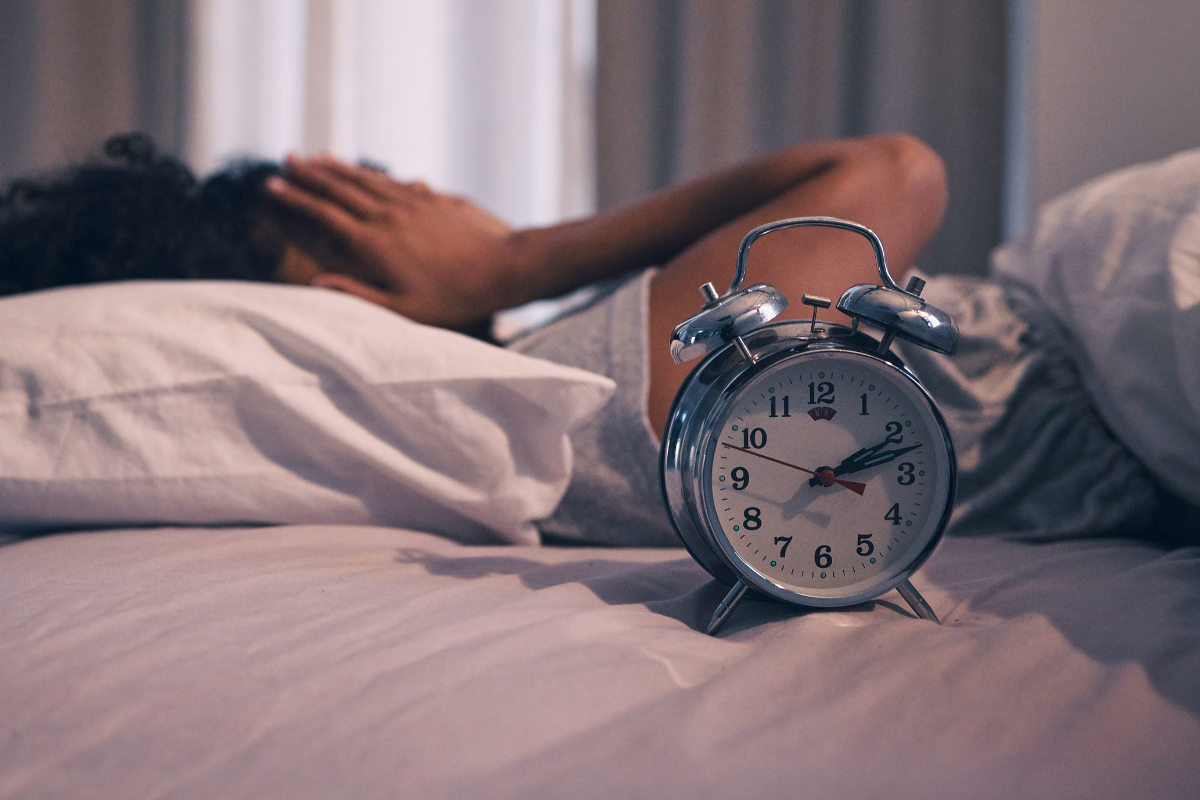
This article is for general educational purposes only and does not replace professional medical advice, diagnosis or treatment. Persistent sleep problems, severe daytime sleepiness, loud snoring with breathing pauses or repeatedly waking while gasping for air should be discussed with a qualified healthcare professional.
In This Article
Introduction
A late night every now and then is part of normal life. Work, family responsibilities, travel, stress or simply staying up later than planned can occasionally reduce the amount of sleep you get.
The bigger concern is when insufficient or poor-quality sleep becomes a regular pattern. Sleep deprivation can occur when you do not get enough sleep or when the sleep you get is repeatedly disrupted or poor in quality.
The effects can appear during the day as tiredness, difficulty concentrating, slower thinking, irritability and reduced ability to perform normal activities.
Sleep is therefore not simply inactive time. It is an important biological process that supports brain function, emotional well-being and physical health.
What Counts as Poor Sleep?
Poor sleep is not only about the number of hours you spend in bed.
Sleep quality matters too. You may spend a long time in bed but still wake repeatedly, struggle to fall asleep, wake earlier than intended or feel unrefreshed the following morning.
Insomnia can involve difficulty falling asleep, difficulty staying asleep or waking earlier than planned, together with problems functioning normally during the day.
An occasional disrupted night is common. The issue becomes more important when poor sleep repeatedly interferes with work, concentration, mood or daily activities.
Do not judge your sleep only by the clock. Also ask whether you usually wake feeling reasonably refreshed and whether you can stay alert during your normal daytime activities.
Your Brain and Concentration
One of the first places you may notice inadequate sleep is in your ability to think clearly.
Sleep deprivation can reduce concentration and slow your thinking. You may need longer to make decisions, struggle to remember simple information or find it harder to remain focused.
You might reread the same sentence several times, forget tasks you normally remember easily or make more mistakes than usual.
Excessive daytime sleepiness can also make it difficult to remain alert during meetings, classes, quiet work or other activities that require sustained attention.
These effects are easy to underestimate because you may still manage to complete everyday tasks. However, being able to function while tired does not necessarily mean you are functioning at your best.
If you repeatedly depend on large amounts of caffeine just to stay alert during normal daytime activities, consider whether your sleep quantity or quality needs attention.
Mood and Emotional Well-being
Sleep and emotional well-being are closely connected.
After a poor night's sleep, you may notice that you become more irritable, impatient or emotionally reactive than usual.
When inadequate sleep continues for several nights, everyday demands can feel harder to manage. Small frustrations may feel larger simply because you are physically and mentally tired.
The relationship can also work in the opposite direction. Stress, anxiety and persistent worry can make it more difficult to fall asleep or stay asleep.
This can create a cycle in which stress interferes with sleep and poor sleep makes coping with stress more difficult.
If you notice that you are unusually irritable or overwhelmed, consider your sleep over the previous few nights as one part of the bigger picture.
Your Heart and Metabolic Health
The effects of chronic sleep loss can extend beyond daytime tiredness.
Sleep disorders and chronic sleep loss have been associated with conditions including high blood pressure, cardiovascular disease, stroke and diabetes.
Sleep interacts with biological systems involved in blood pressure, metabolism, appetite, stress responses and blood glucose regulation.
This does not mean that one or two poor nights will automatically cause a chronic disease. The concern is more about persistent inadequate or disrupted sleep over time, especially when other health risk factors are also present.
For someone already managing high blood pressure, diabetes or cardiovascular risk, healthy sleep can therefore be viewed as another part of an overall healthy lifestyle.
Sleep is only one part of long-term health. Physical activity, balanced nutrition, blood pressure management, diabetes care and avoiding tobacco remain important as well.
Sleep Debt Can Build Up
Missing a small amount of sleep each night may not seem significant, particularly when work or family commitments are busy.
But regularly getting less sleep than you need can create an accumulating pattern of tiredness.
You may gradually become accustomed to feeling sleepy and start considering reduced alertness normal.
Sleeping longer on weekends may provide temporary relief, but repeatedly cutting sleep during the working week and trying to compensate later is not an ideal replacement for a more consistent routine.
The more practical goal is to allow enough opportunity for sleep on most nights rather than regularly borrowing time from sleep.
If bedtime keeps getting pushed later, work backwards from the time you need to wake up and choose a realistic time to begin winding down.
When Tiredness Becomes a Safety Risk
Sleepiness is not only uncomfortable. It can become dangerous when an activity requires sustained concentration and quick reactions.
Severe daytime sleepiness may cause someone to fall asleep at inappropriate times or struggle to stay alert during normal waking hours.
Driving is a particular concern because it requires continuous attention, judgement and rapid responses.
The same problem can apply when operating machinery, working at height or carrying out other activities where a brief lapse in concentration can cause an injury.
Turning up the music, opening a window or drinking more coffee should not be relied upon to make dangerously sleepy driving safe.
If you are struggling to keep your eyes open or repeatedly drifting off while driving, stop driving safely. Severe sleepiness should not be pushed through.
Habits That May Support Better Sleep
Improving sleep often starts with simple and repeatable habits rather than expensive sleep products.
Try to keep your bedtime and wake time reasonably consistent. A predictable schedule can help reinforce your body's normal sleep-wake rhythm.
Create a bedroom environment that is dark, quiet and comfortable where possible.
A short pre-sleep routine may also help your body recognise that the active part of the day is ending. Reading, dimming the lights, taking a warm shower or practising a relaxing activity are simple examples.
Caffeine can interfere with sleep for some people, particularly when consumed later in the day. Coffee, tea, energy drinks and some other products can contain significant amounts of caffeine.
Heavy meals shortly before bedtime may also cause discomfort in some people.
Regular physical activity during the day can support overall health and may support better sleep, although very vigorous activity immediately before bedtime may not suit everyone.
Start with one realistic change. A consistent wake time or a regular 30-minute wind-down routine may be easier to maintain than trying to change your entire evening at once.
When to Speak With a Doctor
Occasional sleep difficulty does not necessarily mean you have a sleep disorder. Persistent problems deserve more attention.
Consider medical advice if insomnia continues for several weeks, repeatedly interferes with your work or daily life, or does not improve despite reasonable sleep-hygiene changes.
Loud snoring, choking, gasping during sleep or observed pauses in breathing may indicate obstructive sleep apnoea.
Obstructive sleep apnoea occurs when breathing repeatedly becomes obstructed during sleep and can contribute to poor-quality sleep and daytime sleepiness.
Severe daytime sleepiness should also be assessed, particularly if you struggle to remain awake while driving, working or carrying out normal daily activities.
Persistent insomnia, loud snoring with breathing pauses, repeatedly waking while gasping for air or severe daytime sleepiness should not simply be accepted as normal tiredness.
What About Sleeping Pills?
Sleep medicines may be appropriate in certain situations, but they are not automatically the best solution for every sleep problem.
The reason for poor sleep matters. Stress-related insomnia, sleep apnoea, shift-work problems and other sleep disorders may require different approaches.
Some sleep medicines can also cause side effects or interact with other medicines.
If ongoing sleep problems are leading you to consider medication or supplements, discuss the options with a healthcare professional rather than assuming an over-the-counter or “natural” product is automatically suitable.
Can You Train Yourself to Need Less Sleep?
Busy schedules sometimes encourage people to view sleep as time that can permanently be reduced through discipline.
You may become accustomed to functioning while tired, but getting used to sleepiness is not the same as eliminating your body's biological need for adequate rest.
If you regularly experience poor concentration, irritability, excessive daytime tiredness or a strong need to catch up on sleep whenever you have free time, your normal routine may not be providing enough restorative sleep.
Why Sleep Quality Matters Too
Someone may technically spend many hours in bed but still experience inadequate rest if their sleep is repeatedly interrupted.
Pain, environmental noise, stress, medical conditions and sleep disorders can all affect sleep quality.
This is particularly important when someone believes they are sleeping for long enough but still wakes feeling exhausted every morning.
If you consistently allow enough time for sleep but continue experiencing significant daytime tiredness, medical assessment may help identify whether another problem is affecting your sleep quality.
Key Takeaways
- Poor sleep can involve inadequate sleep quantity, poor sleep quality or both.
- Sleep deprivation can reduce concentration, slow thinking and affect normal daytime functioning.
- Inadequate sleep may also influence mood and emotional well-being.
- Chronic sleep loss has been associated with cardiovascular and metabolic health risks.
- Repeatedly losing sleep can lead to ongoing daytime tiredness.
- Severe sleepiness can become a safety risk, especially while driving.
- A regular sleep schedule, comfortable bedroom and consistent wind-down routine may support better sleep.
- Persistent insomnia or severe daytime sleepiness deserves medical assessment.
- Loud snoring, choking, gasping or breathing pauses during sleep can be signs of obstructive sleep apnoea.
Sources & References
- Health Promotion Board, Singapore — HealthHub. Sleeping Well – Adults. HealthHub Singapore
- Health Promotion Board, Singapore — HealthHub. How Sleep Deprivation Affects Your Mental Wellbeing. HealthHub Singapore
- Health Promotion Board, Singapore — HealthHub. The Importance of Sleep. HealthHub Singapore
- SingHealth. Insomnia – Conditions & Treatments. SingHealth
- SingHealth. Excessive Daytime Sleepiness. SingHealth
- SingHealth. Obstructive Sleep Apnoea. SingHealth
About KnowvaLife
KnowvaLife creates practical health and wellness content designed to make everyday health information easier to understand. Our content is educational and does not replace personalised advice from qualified healthcare professionals.