Healthy Ageing: Everyday Habits That Matter More as You Get Older
Getting older does not automatically mean becoming weak or inactive. Regular movement, enough protein and nutritious food, good sleep, preventive healthcare and staying socially engaged can all support strength, independence and quality of life as the years pass.
This article provides general educational information and does not replace personalised medical, nutritional or exercise advice. Older adults with chronic conditions, mobility limitations or recent illness should follow recommendations appropriate to their individual health.
In This Article
Introduction
Ageing is unavoidable, but the way people experience later life can differ considerably.
Some health changes become more common with age, yet getting older does not automatically mean losing independence, mobility or the ability to enjoy everyday activities.
Healthy ageing focuses on maintaining physical and mental abilities that support quality of life.
This can include being able to walk safely, prepare meals, manage everyday tasks, stay socially connected and continue doing activities that are personally meaningful.
The habits that support these abilities are often surprisingly familiar: move regularly, eat well, maintain strength, sleep adequately and manage health conditions early.
Healthy Ageing Is More Than Living Longer
Living longer is only one part of ageing well.
WHO's approach to healthy ageing places strong emphasis on functional ability — the ability to do and be what matters to a person as they grow older.
That might mean remaining able to move around independently, maintain relationships, contribute to family life or continue hobbies and community activities.
Health conditions may still occur. Healthy ageing does not mean reaching older age without ever developing disease.
Instead, it involves preventing avoidable health problems where possible and managing existing conditions well enough to preserve everyday function.
Think beyond the number on your birthday. A better question is: “What do I want to remain able to do as I get older?” Then build habits that support those abilities.
Keep Moving
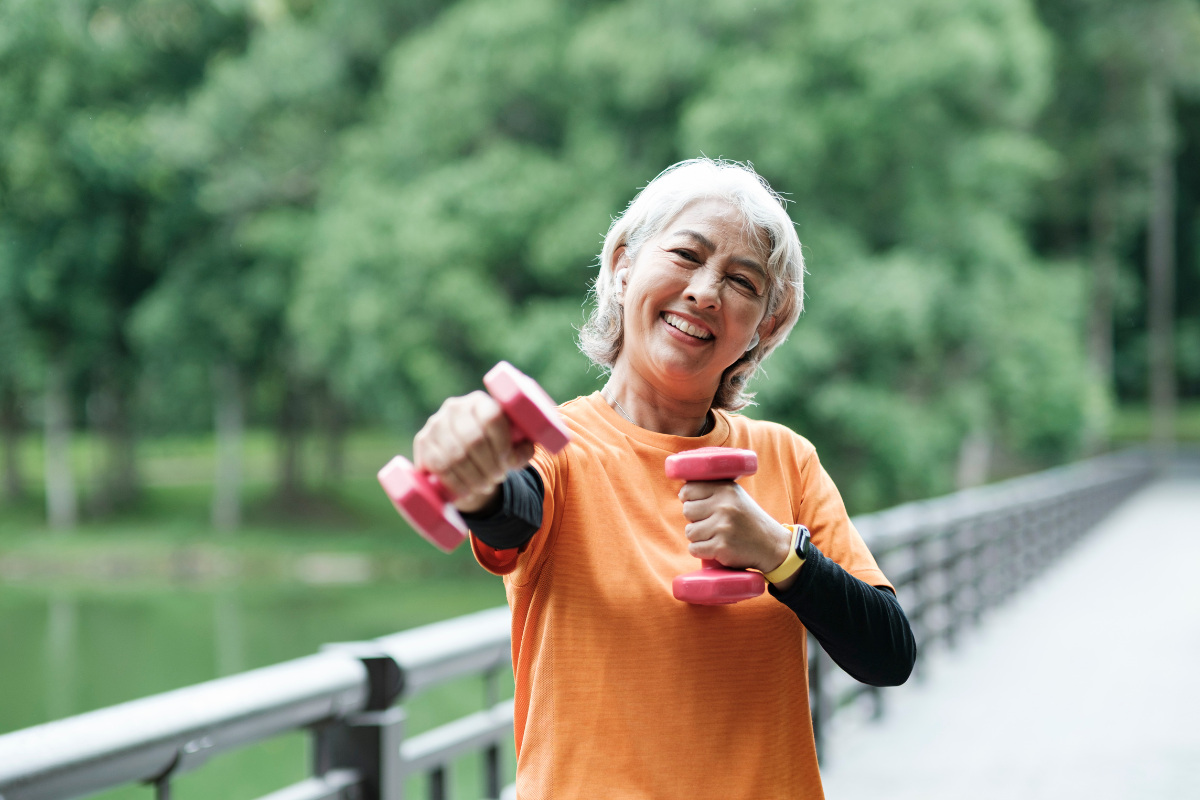
Physical activity becomes especially valuable as people get older because it supports mobility, cardiovascular health, balance and independence.
HealthHub notes that physical activity can improve balance, coordination, circulation and physical stamina while supporting healthy muscles, bones and joints.
Singapore's Physical Activity Guidelines also provide specific recommendations for adults aged 50 and above.
Aerobic activities may include brisk walking, swimming, cycling or other activities appropriate to a person's ability.
Older adults should also include activities that strengthen muscles and help maintain balance where appropriate.
Do not wait until you feel “old enough” to start moving. Building fitness and strength earlier can help create more physical reserve for later life.
Protect Your Muscle Strength
Muscle mass and function can decline with ageing, particularly when people become increasingly inactive.
Sarcopenia refers to progressive loss of muscle mass and function and can contribute to weakness, falls and reduced independence.
SingHealth highlights that becoming older does not automatically mean becoming weak and that sedentary behaviour can contribute importantly to muscle decline.
Strength training gives muscles a reason to continue adapting.
Activities might include resistance exercises, body-weight movements, resistance bands or supervised gym exercises depending on ability.
Even everyday tasks such as standing repeatedly from a chair or climbing stairs involve muscular work.
If you have significant joint pain, heart disease, severe osteoporosis or mobility limitations, seek appropriate advice before beginning a demanding strength programme.
Eat Enough Nutritious Food
Healthy ageing is not only about eating less.
Older adults still need adequate energy, protein, vitamins and minerals to maintain muscles, bones and normal body function.
HealthHub's nutrition guidance for older adults recommends a balanced diet that includes wholegrains, vegetables, fruit and appropriate protein-rich foods.
Protein becomes particularly important for maintaining muscle as people get older.
Useful sources can include fish, eggs, lean meat, dairy products, tofu, beans and other legumes.
Appetite may decrease with age, illness or medication, so some people may struggle to eat enough rather than eating too much.
Try including a source of protein at each main meal rather than saving most of your protein for dinner.
Do Older Adults Need More Protein?
Protein needs can vary according to health, body size and activity level.
Older adults who are physically active or recovering from illness may have different needs from younger adults or healthy seniors with lower activity levels.
The important point is to avoid allowing protein-rich foods to gradually disappear from the diet as appetite decreases.
People with kidney disease or other medical conditions may require individualised nutritional advice, so very high-protein diets should not be started automatically.
Look After Your Bones
Bone health becomes increasingly important with age because fractures can have a major effect on mobility and independence.
Calcium, vitamin D, appropriate physical activity and muscle strength all contribute to maintaining bone health.
SingHealth notes that dietary calcium is important for people at risk of or diagnosed with osteoporosis.
Weight-bearing and resistance activities can also help maintain musculoskeletal health when appropriate.
Fall prevention matters too. Stronger muscles and better balance can reduce the likelihood that a simple trip turns into a serious injury.
Bone health and muscle health work together. Stronger muscles can improve balance and movement while healthy bones reduce the consequences of falls.
Keep Up With Preventive Healthcare
Healthy habits are important, but they do not replace medical screening and chronic disease management.
Blood pressure, diabetes, cholesterol and other health conditions can develop without obvious symptoms.
Regular medical reviews can help identify problems earlier and allow treatment to begin before complications develop.
Vaccinations, cancer screening and other preventive measures may also become relevant depending on age, sex, risk factors and health history.
Medication reviews can be useful too, particularly when someone takes several medicines for different conditions.
Do not stop prescribed medication simply because you are eating better or exercising more. Lifestyle habits and medical treatment often work together.
Stay Connected and Mentally Active
Healthy ageing includes emotional and social well-being as well as physical health.
Social connection can come through family, friendships, community programmes, religious or cultural groups, volunteering, hobbies or other shared activities.
Learning new skills and staying mentally engaged can also provide structure and enjoyment.
Activities do not need to be complicated. Reading, playing games, learning technology, gardening, attending classes or participating in community activities can all help keep daily life meaningful.
Singapore's Healthy Ageing programmes encourage adults aged 50 and above to remain active and socially engaged through community-based activities.
Choose activities you actually enjoy. A habit is more likely to continue when it offers social connection or personal meaning rather than feeling like another health task.
Why Frailty Deserves Attention
Frailty is not simply another word for being old.
It describes a state of reduced physical reserve in which the body becomes less able to cope with illness, injury or other stress.
SingHealth notes that malnutrition, reduced activity and loss of muscle can contribute to frailty, which is associated with falls, hospitalisation and disability.
This means changes such as unexplained weight loss, increasing weakness, slower walking or reduced ability to perform normal tasks should not automatically be dismissed as ageing.
Earlier assessment can help identify whether nutrition, physical activity, medical conditions or other factors need attention.
Do You Need Expensive Supplements to Age Well?
Not necessarily.
Supplements can be appropriate when a deficiency has been identified or when a healthcare professional recommends them for a specific reason.
But healthy ageing is not built mainly from pills or powders.
Regular movement, balanced meals, adequate protein, good sleep, preventive care and social connection generally matter much more to the overall lifestyle picture.
If you are considering supplements, especially while taking regular medication, discuss them with a healthcare professional or pharmacist.
Small Habits Still Matter
People sometimes believe that if they did not exercise or eat well when they were younger, it is too late to make a difference.
That is not a useful way to think about ageing.
HealthHub emphasises that it is never too late to become more physically active.
A person who begins walking regularly, adds resistance exercise, improves meal quality or reconnects socially can still gain meaningful benefits.
You do not need to change everything at once.
Choose habits that are realistic enough to continue for years rather than chasing dramatic short-term changes.
Healthy ageing is built from what you repeat. A daily walk, balanced meals and regular strength work may look simple, but consistency is what gives these habits value.
Key Takeaways
- Healthy ageing is about maintaining physical and mental abilities, not simply living longer.
- Regular physical activity supports mobility, balance, cardiovascular health and independence.
- Strength training can help protect against age-related loss of muscle mass and function.
- Older adults need adequate nutrition, including enough protein and nutrient-rich foods.
- Bone health becomes increasingly important because fractures can reduce mobility and independence.
- Preventive healthcare and good management of chronic conditions remain important as people age.
- Social connection and meaningful activities support overall well-being.
- Frailty is not an inevitable part of ageing and can be influenced by activity, nutrition and health conditions.
- Healthy ageing does not require expensive supplements or complicated routines.
- It is never too late to improve everyday health habits.
Sources & References
- Health Promotion Board, Singapore — HealthHub. Healthy Ageing Hub. HealthHub Singapore
- Health Promotion Board, Singapore — HealthHub. Ageing Well: Essential Health Tips for Older Adults. HealthHub Singapore
- Health Promotion Board, Singapore — HealthHub. Eating for Healthy Ageing. HealthHub Singapore
- Health Promotion Board, Singapore — HealthHub. Singapore Physical Activity Guidelines. HealthHub Singapore
- SingHealth. Ageing Does Not Necessarily Mean Becoming Weak. SingHealth
- SingHealth. How to Age Well Without Becoming Frail. SingHealth
- World Health Organization. Promoting Physical Activity and Healthy Diets for Healthy Ageing. World Health Organization
About KnowvaLife
KnowvaLife creates practical health and wellness content designed to make everyday health information easier to understand. Our content is educational and does not replace personalised advice from qualified healthcare professionals.