Iron Deficiency: Common Signs Your Body May Not Be Getting Enough Iron
Iron helps your body produce haemoglobin, the protein in red blood cells that carries oxygen. When iron stores become too low, tiredness, weakness and other symptoms can develop — but testing is important because these symptoms can have many different causes.
This article provides general educational information and does not replace personalised medical advice, diagnosis or treatment. Symptoms of iron deficiency can overlap with many other conditions. A healthcare professional can determine whether blood tests and treatment are appropriate.
In This Article
Introduction
Feeling tired is extremely common. A few nights of poor sleep, a stressful week or an unusually busy schedule can leave almost anyone feeling drained.
But persistent tiredness can sometimes have an underlying nutritional or medical cause — and iron deficiency is one possibility.
Iron is an essential mineral involved in several processes throughout the body. One of its best-known roles is helping produce haemoglobin, a protein in red blood cells that carries oxygen from the lungs to tissues.
When the body does not have enough iron, its iron stores can gradually become depleted. If the deficiency progresses far enough to affect haemoglobin production, iron-deficiency anaemia can develop.
Importantly, symptoms alone cannot confirm iron deficiency. Fatigue, headaches and poor concentration can occur for many reasons, so proper assessment matters.
Why Your Body Needs Iron
Iron is required to make haemoglobin, which allows red blood cells to transport oxygen around the body.
It is also involved in myoglobin, a protein that helps supply oxygen to muscles, as well as several enzymes and normal cellular processes.
Your body stores some iron for future use. When intake or absorption does not keep up with losses and requirements, these stores can gradually decline.
Iron deficiency and iron-deficiency anaemia are therefore related but are not exactly the same thing.
A person may develop low iron stores before haemoglobin falls enough to meet the definition of anaemia.
Iron deficiency is not simply about feeling tired. Iron has an important role in oxygen transport, which is why significant deficiency can affect physical and mental functioning.
Common Signs of Iron Deficiency
Mild iron deficiency may not always cause obvious symptoms.
As deficiency becomes more significant — particularly when anaemia develops — symptoms can become more noticeable.
Possible symptoms include:
- Persistent tiredness or low energy
- Weakness
- Shortness of breath, particularly with activity
- Dizziness or light-headedness
- Headaches
- Difficulty concentrating
- Noticeably fast or pounding heartbeat
- Paler-than-usual skin in some people
Some people with iron deficiency may also develop unusual cravings for non-food substances, known as pica.
The difficulty is that none of these symptoms is unique to iron deficiency.
Tiredness, for example, can also occur with sleep problems, thyroid disease, depression, infections and many other health conditions.
Do not diagnose iron deficiency from tiredness alone. Blood testing can help determine whether iron deficiency, anaemia or another condition is contributing to your symptoms.
Can You Have Low Iron Without Knowing?
Yes. Iron stores can become depleted gradually.
Some people may initially have few symptoms or may attribute subtle changes to stress, work or lack of sleep.
The body can compensate for a period of time, particularly before significant anaemia develops.
This is one reason people with recognised risk factors may sometimes need testing even when their symptoms are not dramatic.
Why Iron Deficiency Happens
Iron deficiency can occur when the body's iron requirements exceed the amount available.
One possible reason is inadequate dietary iron intake, particularly when a person's diet contains few iron-rich foods.
Blood loss is another important cause. Because red blood cells contain iron, ongoing blood loss can gradually reduce the body's iron stores.
Heavy menstrual bleeding is a common example.
Bleeding from the gastrointestinal tract can also cause iron deficiency and may sometimes occur without obvious blood being visible.
Another possibility is poor iron absorption. Certain gastrointestinal conditions or surgery affecting the digestive system can make it more difficult for the body to absorb enough iron.
Iron requirements also rise during certain stages of life, including pregnancy.
When iron deficiency is diagnosed, finding out why it developed can be just as important as replacing the missing iron.
Why Women May Be at Higher Risk
Women who menstruate can have a higher risk of iron deficiency because iron is lost through menstrual blood.
The risk can be greater when periods are particularly heavy or prolonged.
Pregnancy also increases iron requirements because the body must support expansion of maternal blood volume as well as the developing baby.
WHO recognises anaemia as an important health issue among women and children globally, with iron deficiency being a major nutritional contributor.
However, iron deficiency should not simply be considered a “women's problem.”
Men and postmenopausal women can also develop iron deficiency. In these groups, unexplained deficiency may make investigating possible blood loss or other underlying causes particularly important.
Very heavy menstrual bleeding is not something you simply have to tolerate. If your periods are unusually heavy or are affecting daily life, discuss them with a healthcare professional.
Getting Iron From Food
Iron is naturally present in a variety of foods.
Animal foods such as meat, poultry and seafood can provide haem iron, which is generally absorbed more efficiently by the body.
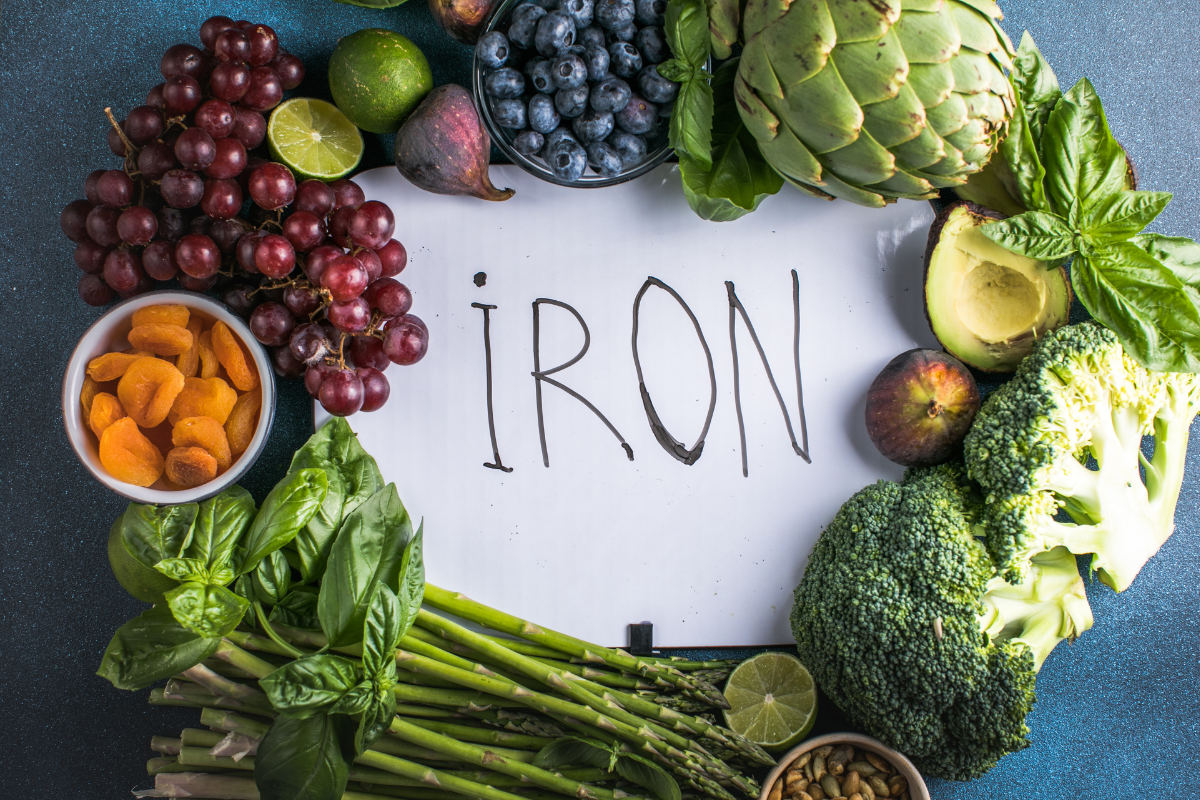
Plant foods can provide non-haem iron. Sources include beans, lentils, tofu, some fortified foods, nuts, seeds and certain vegetables.
People who eat little or no animal food can still obtain iron from their diet, but may need to pay closer attention to the quantity and variety of iron-containing foods they consume.
Vitamin C can improve absorption of non-haem iron when eaten as part of the same meal.
For example, combining beans, tofu or other plant iron sources with vitamin-C-rich vegetables or fruit can help improve iron absorption.
For plant-based meals, pair an iron-containing food such as tofu, beans or lentils with a vitamin-C-rich food such as capsicum, tomatoes, guava or citrus fruit.
Can Tea and Coffee Affect Iron Absorption?
Tea and coffee contain compounds that can reduce absorption of non-haem iron when consumed with meals.
This does not mean everyone needs to stop drinking tea or coffee.
But people who have iron deficiency or are at higher risk may benefit from avoiding tea and coffee around iron-rich meals or iron supplements, according to professional advice.
Dietary changes should be considered in the context of the person's overall nutritional needs rather than focusing on one drink alone.
How Iron Deficiency Is Diagnosed
A healthcare professional may begin by asking about symptoms, diet, menstrual history, pregnancy, medications and possible sources of blood loss.
Blood tests are used to investigate anaemia and iron status.
A full blood count can measure haemoglobin and characteristics of the red blood cells.
Ferritin is commonly measured because it reflects the body's stored iron, although ferritin levels can also be influenced by inflammation and other medical conditions.
Other blood tests may be used depending on the clinical situation.
If iron deficiency is confirmed without an obvious explanation, further investigation may be necessary to identify the underlying cause.
A blood test gives much more useful information than guessing from symptoms or trying iron supplements simply to see whether you feel better.
Be Careful With Iron Supplements
Iron supplements are commonly used to treat confirmed iron deficiency, but taking them unnecessarily is not a good idea.
Iron supplements can cause side effects such as nausea, abdominal discomfort, constipation or diarrhoea.
Too much iron can also be harmful.
The appropriate dose and duration depend on the person's degree of deficiency, underlying cause and response to treatment.
Treatment may need to continue after haemoglobin improves so that depleted iron stores can be replenished.
Some people cannot tolerate oral iron or may not absorb it adequately, in which case a healthcare professional may consider other treatment approaches.
Keep iron supplements out of children's reach. Accidental iron overdose can be dangerous, particularly in young children.
Will Taking Iron Give You More Energy?
If fatigue is caused by iron deficiency, correcting the deficiency may improve symptoms over time.
But iron is not an energy booster for everyone.
Taking additional iron when your iron levels are already adequate does not automatically make you stronger, fitter or more energetic.
If persistent fatigue is affecting your daily life, identifying the actual cause is more useful than automatically taking supplements.
When You Should Seek Medical Advice
Consider speaking with a healthcare professional if unexplained tiredness, weakness, breathlessness or dizziness persists.
Women experiencing very heavy menstrual bleeding should also consider assessment, particularly when symptoms suggest anaemia.
People who have been diagnosed with iron deficiency should follow up as advised to confirm that treatment is working and to investigate the cause when necessary.
Black or bloody stools, vomiting blood or other signs of gastrointestinal bleeding require prompt medical attention.
Severe breathlessness, fainting, significant chest pain or other severe symptoms also require urgent assessment.
Seek urgent medical attention for severe shortness of breath, fainting, chest pain, vomiting blood, significant bleeding or black tar-like stools. These symptoms should not be managed simply by taking iron supplements.
Iron Deficiency Is Treatable — But the Cause Matters
Iron deficiency is common and, in many cases, can be treated successfully.
But treatment should not stop at simply buying an iron tablet.
The underlying reason may be inadequate intake, heavy menstrual bleeding, pregnancy, reduced absorption or another source of blood loss.
Understanding the cause helps reduce the chance that deficiency will simply return after treatment ends.
A balanced diet can help maintain healthy iron intake, while testing and appropriate medical assessment are important when deficiency is suspected.
Key Takeaways
- Iron is essential for making haemoglobin, which helps red blood cells carry oxygen.
- Iron deficiency can develop before iron-deficiency anaemia becomes established.
- Common symptoms can include fatigue, weakness, dizziness and breathlessness.
- Symptoms alone cannot confirm iron deficiency.
- Blood loss, low iron intake, increased requirements and poor absorption are possible causes.
- Heavy menstrual bleeding can increase the risk of iron deficiency.
- Meat, seafood, beans, lentils, tofu and fortified foods can provide dietary iron.
- Vitamin C can improve absorption of iron from plant foods.
- Blood tests such as a full blood count and ferritin can help assess iron status.
- Iron supplements should not be taken unnecessarily because excessive iron can be harmful.
Sources & References
- World Health Organization. Anaemia. World Health Organization
- National Institutes of Health, Office of Dietary Supplements. Iron — Fact Sheet for Consumers. NIH Office of Dietary Supplements
- National Institutes of Health, Office of Dietary Supplements. Iron — Fact Sheet for Health Professionals. NIH Office of Dietary Supplements
- Health Promotion Board, Singapore — HealthHub. Health Information and Nutrition Resources. HealthHub Singapore
- SingHealth. Health Information and Anaemia Resources. SingHealth
About KnowvaLife
KnowvaLife creates practical health and wellness content designed to make everyday health information easier to understand. Our content is educational and does not replace personalised advice from qualified healthcare professionals.