Vitamin D: Why It Matters for Your Bones, Muscles and Overall Health
Vitamin D helps your body absorb calcium and plays an important role in maintaining healthy bones and normal muscle function. Learn where vitamin D comes from, who may be at greater risk of deficiency and why taking more is not always better.
This article provides general educational information and does not replace personalised medical or nutritional advice. Vitamin D requirements and the need for testing or supplements can vary. Speak with a qualified healthcare professional if you are concerned about deficiency.
In This Article
Introduction
Vitamin D is sometimes called the “sunshine vitamin” because your skin can produce it when exposed to ultraviolet B radiation from sunlight.
But vitamin D is much more than something associated with sunshine.
It helps the body absorb calcium, supports normal bone mineralisation and contributes to normal muscle function. Without enough vitamin D, bones can become weaker over time.
Unlike many nutrients, relatively few foods naturally contain substantial amounts of vitamin D. This means sunlight exposure, fortified foods and supplements can all contribute to vitamin D status.
At the same time, more vitamin D is not automatically healthier. Excessive supplementation can be harmful, so it is useful to understand what this nutrient actually does and when deficiency is more likely.
What Vitamin D Does
Vitamin D helps regulate calcium and phosphate in the body.
These minerals are essential for maintaining healthy bones and teeth, while calcium is also involved in muscle contraction and nerve function.
Vitamin D improves the absorption of calcium from the digestive tract, helping the body maintain adequate calcium levels.
The nutrient also has roles in muscle and immune function, although claims that very high vitamin D intake can prevent a wide range of diseases should be treated cautiously.
Having an adequate amount is important. Taking substantially more than your body requires does not necessarily provide additional health benefits.
Think of vitamin D as an essential nutrient, not a miracle supplement. The goal is adequate vitamin D status rather than taking the highest possible dose.
Vitamin D and Bone Health
One of vitamin D's best-established roles is supporting healthy bones.
Calcium is an important structural component of bone, but your body needs vitamin D to absorb calcium efficiently.
Severe vitamin D deficiency in children can lead to rickets, a condition in which developing bones become soft and weak.
In adults, prolonged deficiency can contribute to osteomalacia, which involves softening and weakening of bones.
Vitamin D is therefore part of the bigger picture of bone health alongside adequate calcium intake, physical activity and other lifestyle factors.
As people get older, maintaining both bone and muscle health becomes increasingly important because fractures can have significant consequences for mobility and independence.
Strong bones depend on more than calcium alone. Vitamin D, adequate nutrition and weight-bearing activity all contribute to long-term bone health.
Vitamin D and Your Muscles
Vitamin D also contributes to normal muscle function.
Significant deficiency can be associated with muscle weakness, which may make everyday movement more difficult.
For older adults, muscle strength matters because it contributes to balance, mobility and the ability to perform daily activities independently.
However, vitamin D supplements should not be considered a substitute for exercise.
Resistance training, regular physical activity and adequate protein remain important for preserving muscle mass and strength as people age.
Vitamin D is one part of that broader picture.
For healthy ageing, combine adequate nutrition with regular strength and weight-bearing exercise rather than relying on supplements alone.
Where Vitamin D Comes From
Your body can obtain vitamin D from sunlight, food and supplements.
When UVB radiation reaches exposed skin, it triggers a process that allows the body to produce vitamin D.
How much is produced can vary considerably depending on factors such as time outdoors, clothing, skin pigmentation, age, season, latitude and sun-protection practices.
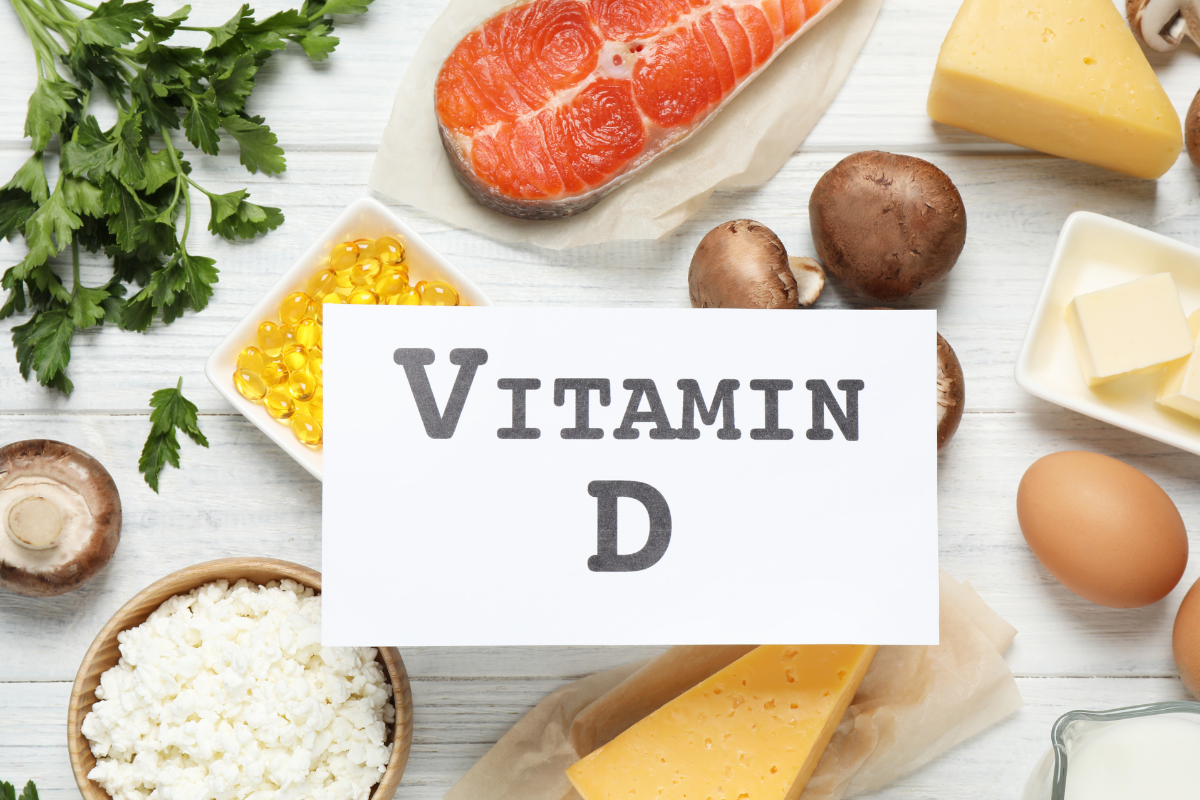
Food sources include fatty fish such as salmon, sardines and mackerel. Egg yolks and some other foods contain smaller amounts.
Vitamin D may also be added to fortified foods such as certain milk products, plant-based drinks or cereals, depending on the product and country.
Checking the nutrition label can tell you whether a particular packaged food has been fortified.
Don't assume every milk, cereal or plant-based drink contains vitamin D. Fortification varies, so check the nutrition information on the product.
Should You Get Vitamin D From the Sun?
Sunlight can contribute to vitamin D production, but this creates an important balance.
Ultraviolet radiation can also damage the skin and increase skin-cancer risk.
That means deliberately allowing your skin to burn is not a safe strategy for increasing vitamin D.
The amount of sun exposure required to produce vitamin D varies substantially between people and environments, making universal recommendations difficult.
People concerned about low vitamin D should discuss their individual risk with a healthcare professional rather than attempting prolonged unprotected sun exposure.
More sun exposure is not automatically better. UV radiation can damage the skin, so vitamin D needs should be balanced with appropriate sun-protection practices.
Who May Be at Risk of Deficiency?
Some people are more likely than others to have low vitamin D levels.
People who spend very little time outdoors may have less opportunity for vitamin D production in the skin.
Older adults can also be at greater risk because the skin becomes less efficient at producing vitamin D with age.
People with darker skin pigmentation may produce less vitamin D from the same amount of sunlight because melanin reduces the skin's response to UV radiation.
Conditions that interfere with fat absorption can also affect vitamin D because it is a fat-soluble vitamin.
People who consistently cover most of their skin outdoors or have very limited dietary sources may also be at greater risk.
Risk does not automatically mean deficiency, however. Testing and clinical assessment can help determine whether there is actually a problem.
Signs of Vitamin D Deficiency
Mild vitamin D deficiency may cause no obvious symptoms.
When deficiency becomes more severe or prolonged, people may experience bone pain or muscle weakness.
However, these symptoms are not specific to vitamin D deficiency.
Fatigue, aches and weakness can occur for many different reasons, which makes self-diagnosis unreliable.
A blood test measuring 25-hydroxyvitamin D is commonly used when a healthcare professional needs to assess vitamin D status.
Routine testing is not necessarily required for every healthy adult, so the decision to test usually depends on symptoms, risk factors and clinical circumstances.
Do not assume tiredness or body aches mean you have low vitamin D. These symptoms have many possible causes and may need proper assessment.
Does Vitamin D Boost Immunity?
Vitamin D has recognised roles in normal immune function.
That does not mean taking high-dose vitamin D will make someone “immune” to infections or replace vaccination, sleep, nutrition and other preventive measures.
Research continues to examine the relationship between vitamin D status and different health outcomes.
For everyday health, correcting genuine deficiency is different from taking increasingly large doses in the hope of preventing disease.
Do You Need a Supplement?
Vitamin D supplements can be useful when dietary intake and sunlight exposure are insufficient or when a healthcare professional identifies deficiency.
But not everyone needs the same supplement dose.
Requirements can differ according to age, diet, health conditions, medications and existing vitamin D levels.
Some people may be advised to take a regular maintenance dose, while confirmed deficiency can require a different treatment plan.
If you already take a multivitamin, calcium supplement or other nutritional product, check whether it contains vitamin D before adding another supplement.
This helps reduce the chance of unintentionally taking unnecessarily high amounts.
Before adding vitamin D, check the labels of supplements you already use. Vitamin D may already be included in multivitamins or calcium products.
Can You Take Too Much?
Yes. Vitamin D is fat-soluble, which means excessive amounts from supplements can accumulate in the body.
Vitamin D toxicity can cause calcium levels in the blood to become abnormally high, a condition known as hypercalcaemia.
This can cause symptoms such as nausea, vomiting, weakness, excessive thirst and frequent urination.
Severe toxicity can damage the kidneys and cause other serious complications.
Vitamin D toxicity is generally associated with excessive supplementation rather than ordinary sunlight exposure.
This is another reason megadoses should not be taken casually.
Do not assume vitamins are harmless because they are sold without a prescription. Very high doses of vitamin D can cause serious health problems.
Vitamin D Is One Piece of the Health Puzzle
Vitamin D deserves attention because it has essential roles in bone and muscle health.
But it works alongside many other factors.
Healthy bones require adequate calcium and protein, while muscles benefit from regular physical activity and strength training.
Overall health also depends on a balanced diet, sufficient sleep, avoiding tobacco and managing medical conditions appropriately.
If you are concerned about vitamin D deficiency, the most useful next step is not automatically buying the strongest supplement available.
Understanding your risk, diet and health circumstances can help determine what you actually need.
Key Takeaways
- Vitamin D helps the body absorb calcium and supports normal bone health.
- Vitamin D also contributes to normal muscle function.
- Severe deficiency can lead to weakened or softened bones.
- Your body can obtain vitamin D from sunlight, certain foods and supplements.
- Fatty fish are among the better natural food sources of vitamin D.
- Older adults and people with limited sun exposure may have a greater risk of deficiency.
- Symptoms such as tiredness and body aches cannot diagnose vitamin D deficiency.
- A blood test may be used when vitamin D deficiency is clinically suspected.
- Not everyone needs the same amount of vitamin D supplementation.
- Excessive vitamin D supplementation can be harmful.
Sources & References
- National Institutes of Health, Office of Dietary Supplements. Vitamin D — Fact Sheet for Health Professionals. NIH Office of Dietary Supplements
- National Institutes of Health, Office of Dietary Supplements. Vitamin D — Fact Sheet for Consumers. NIH Office of Dietary Supplements
- Health Promotion Board, Singapore — HealthHub. Nutrition and Vitamin Resources. HealthHub Singapore
- World Health Organization. Ultraviolet Radiation. World Health Organization
- National Institute of Arthritis and Musculoskeletal and Skin Diseases. Osteoporosis. NIAMS
About KnowvaLife
KnowvaLife creates practical health and wellness content designed to make everyday health information easier to understand. Our content is educational and does not replace personalised advice from qualified healthcare professionals.