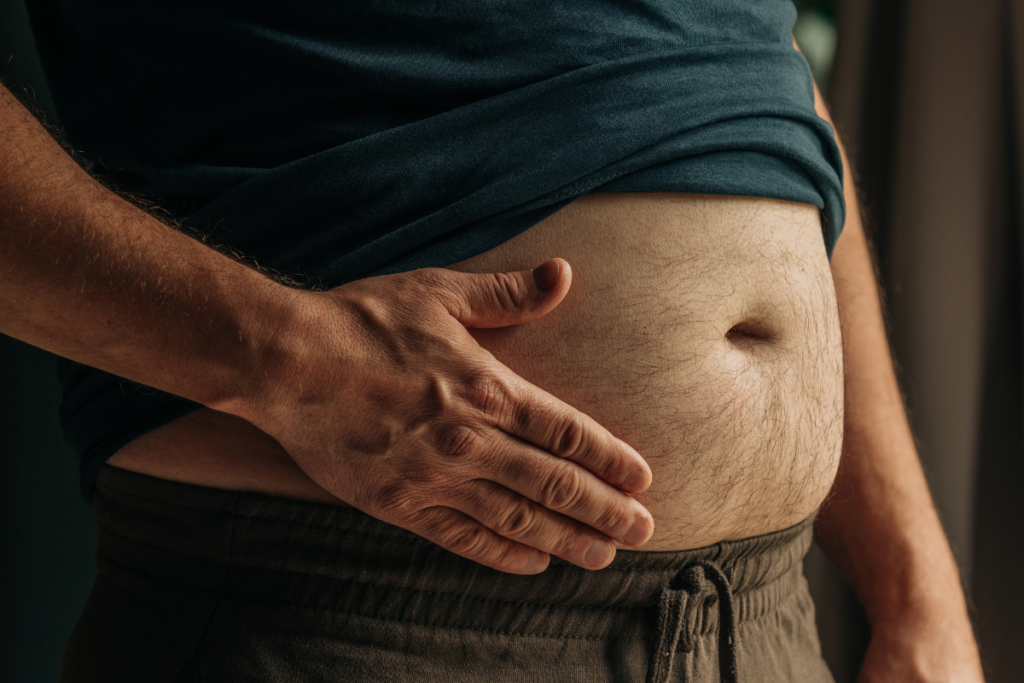
How 30 Minutes of Walking a Day Can Transform Your Health
A daily walk can be one of the simplest ways to become more active. Thirty minutes of brisk walking, done regularly, can support heart health, mood, sleep, fitness and everyday movement without requiring a gym or complicated routine.
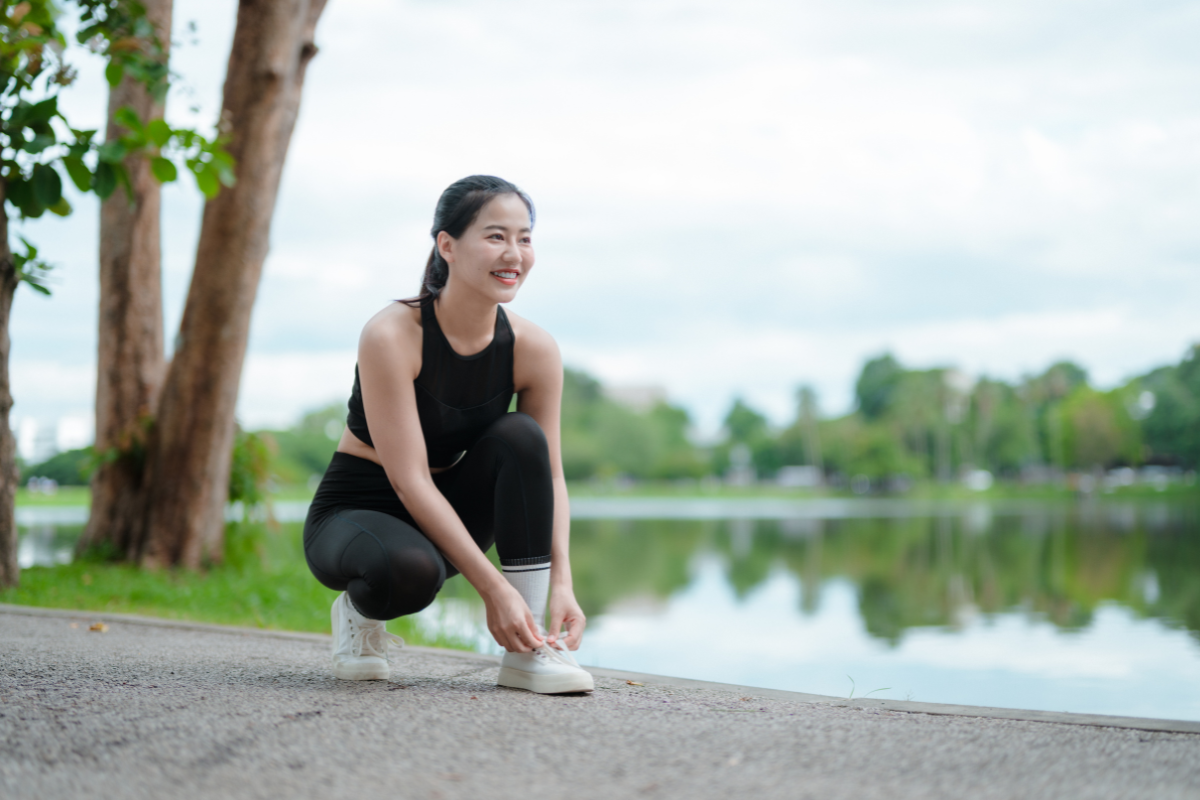
This article is for general educational purposes only and is not a substitute for professional medical advice, diagnosis or treatment. If you have a medical condition, significant joint pain, dizziness, chest discomfort, breathing difficulty or concerns about starting exercise, seek appropriate professional guidance.
In This Article
Introduction
Walking is easy to overlook because it feels ordinary. Yet regular brisk walking is a form of moderate-intensity aerobic activity, and it can contribute meaningfully to the amount of physical activity adults are advised to get each week. Current guidance from both the World Health Organization and U.S. public-health authorities recommends at least 150 minutes of moderate-intensity aerobic activity per week for most adults.
Thirty minutes a day on five days of the week adds up to that 150-minute target. The activity does not have to happen in one continuous session, either. Shorter bouts can be combined across the day, which makes walking especially practical for people who are busy, returning to exercise or simply prefer movement that does not require special equipment.
The phrase “transform your health” should not be interpreted as a promise that walking alone will prevent every disease or produce dramatic changes overnight. Its value comes from consistency. A realistic walking habit can help you move more, sit less and build a foundation for better cardiovascular fitness, stronger daily function and improved overall well-being.
Walking Supports Heart and Metabolic Health
Regular physical activity is strongly linked with better cardiovascular health. The CDC notes that physical activity can help reduce blood pressure and lower long-term risk of heart disease, stroke and type 2 diabetes. Brisk walking is one accessible way to accumulate that activity.
Walking makes your heart and lungs work harder than they do at rest. Over time, regular aerobic movement can improve your ability to perform everyday tasks and support cardiovascular fitness. For people who spend much of the day sitting, a planned walk also creates a useful opportunity to break up long periods of inactivity.
Physical activity can also support weight management, although the amount of activity needed for weight maintenance or weight loss varies from person to person. Walking is most useful when viewed as part of a broader lifestyle that includes balanced eating, adequate sleep and other forms of movement.
Use the “talk test” to judge a brisk pace: you should usually be able to talk, but the walk should feel more purposeful than a slow stroll.
Walking Can Support Mood and Sleep
Physical activity affects more than muscles and the cardiovascular system. The CDC reports that even a single session of moderate-to-vigorous activity can provide immediate benefits such as reduced feelings of anxiety and improved sleep quality for some adults. Regular activity is also associated with lower risk of depression over time.
A walk can be especially useful because it gives you a break from sitting, screens and repetitive tasks. Walking outdoors may also provide a change of environment and a chance to unwind. Some people prefer walking alone for quiet time, while others find that walking with a friend makes the activity more enjoyable and social.
It is important not to treat walking as a substitute for mental-health treatment when professional care is needed. Think of it as one supportive habit that can sit alongside other healthy routines, relationships and appropriate clinical care.
Exercise can support mental well-being, but persistent low mood, severe anxiety or major changes in daily functioning deserve appropriate professional attention.
Walking Builds Everyday Fitness
Walking regularly can improve endurance for ordinary activities such as climbing stairs, shopping, commuting or moving around at work. The more consistently you walk, the easier it may become to maintain a brisker pace or cover a longer distance without feeling as tired.
For older adults, regular physical activity also supports physical function, and activity that includes balance and strengthening can help reduce fall risk. Walking alone does not replace strength or balance exercises, but it can be an important part of a broader routine.
If you are currently inactive, you do not need to begin with 30 minutes. Starting with 5 or 10 minutes and adding time gradually is still worthwhile. Public-health guidance emphasises that some physical activity is better than none, and smaller amounts can still provide health benefits.
If 30 minutes feels difficult, try three 10-minute walks — for example after breakfast, lunch and dinner. The total still contributes to your weekly activity.
Thirty Minutes Can Fit Into a Busy Day
One of walking's biggest advantages is flexibility. You do not need to commute to a gym, change into specialised clothing or follow a complicated programme. A walk can happen around your neighbourhood, at a park, inside a shopping centre, on a treadmill or as part of your journey to work.
You can also attach walking to routines you already have. Walk while taking a phone call, get off public transport one stop earlier, take a short walk after lunch or use part of an evening break for movement. These strategies can make walking feel like part of everyday life rather than another appointment.
Consistency becomes easier when the habit has a clear cue. Some people walk immediately after breakfast. Others go after work or after dinner. Choosing a predictable time reduces the number of decisions you have to make and can help the routine become automatic.
Weather, safety, work shifts and family responsibilities can all affect when and where you walk. Having an indoor backup option can help. A corridor, sheltered walkway, treadmill or indoor public space can keep the habit going when outdoor conditions are poor.
Make Your Walks Safe and Sustainable
For many people, brisk walking is generally a safe form of moderate physical activity. Still, comfort and safety matter. Wear footwear that feels supportive, choose a route with a safe walking surface and pay attention to traffic, lighting and weather conditions.
If you are increasing your activity from a very low baseline, build gradually. You might begin with 10 or 15 minutes, then add a few minutes every several days. Mild muscular fatigue can be normal when you become more active, but sharp pain, chest discomfort, faintness or unusual breathlessness should not be ignored.
Walking is also only one part of a complete activity routine. Adults are generally advised to include muscle-strengthening activities on at least two days each week in addition to aerobic activity. Strength work can involve resistance bands, weights, machines or body-weight movements suited to your ability.
If you have an injury, chronic disease, balance problem or symptoms that make exercise difficult, ask a qualified healthcare professional how to adapt activity safely.
Do You Have to Walk Exactly 30 Minutes Every Day?
No. Thirty minutes is a useful example because five 30-minute sessions add up to 150 minutes in a week, but it is not a magic number. You can spread activity across the week in a way that fits your schedule. Some days may include 15 minutes, while others include 40 or more.
The intensity matters too. A leisurely stroll is still movement, but brisker walking is more likely to count toward moderate-intensity aerobic activity. If you are new to exercise, however, a slower pace may be the right starting point. You can gradually increase pace or duration as your fitness improves.
The most useful routine is one you can sustain. A walking plan that looks impressive for one week but disappears the next is less valuable than a smaller habit you can repeat for months.
How to Keep a Walking Habit Going
Make the activity convenient. Choose routes close to home or work, keep comfortable shoes available and decide in advance when you are most likely to walk. Tracking time or distance can be motivating, but you do not need a fitness watch for walking to count.
You can also make walking more enjoyable. Listen to a podcast, walk with a friend, explore a new route or use the time as a quiet break. If boredom is the main obstacle, variety can help you keep the habit without making the routine complicated.
Finally, avoid an all-or-nothing mindset. Missing one day does not mean the plan has failed. Return to the next opportunity. Long-term health habits are built through repetition, not perfection.
Key Takeaways
- Thirty minutes of brisk walking on five days of the week can add up to 150 minutes of moderate activity.
- Regular physical activity can support heart health, blood pressure, sleep, mood and chronic-disease prevention.
- You can divide walking into shorter sessions if one 30-minute block does not fit your day.
- Beginners can start with smaller amounts and gradually build duration or pace.
- Walking is valuable, but adults should also include muscle-strengthening activity each week.
- Choose safe routes, supportive footwear and a pace that suits your current fitness and health.
- Consistency matters more than doing every walk perfectly.
Sources & References
- World Health Organization. Physical activity. WHO
- Centers for Disease Control and Prevention. Adult Activity: An Overview. CDC
- Centers for Disease Control and Prevention. Health Benefits of Physical Activity for Adults. CDC
- Centers for Disease Control and Prevention. Adding Physical Activity as an Adult. CDC
About KnowvaLife
KnowvaLife creates practical health and wellness content designed to make everyday health information easier to understand. Our content is educational and does not replace personalised advice from qualified healthcare professionals.