
Adult Asthma: Common Triggers, Symptoms and When to Seek Help
Asthma can begin in childhood or first appear during adulthood. Symptoms may come and go, but repeated coughing, wheezing, chest tightness or breathlessness should not simply be ignored — especially when they interfere with sleep, exercise or everyday activities.
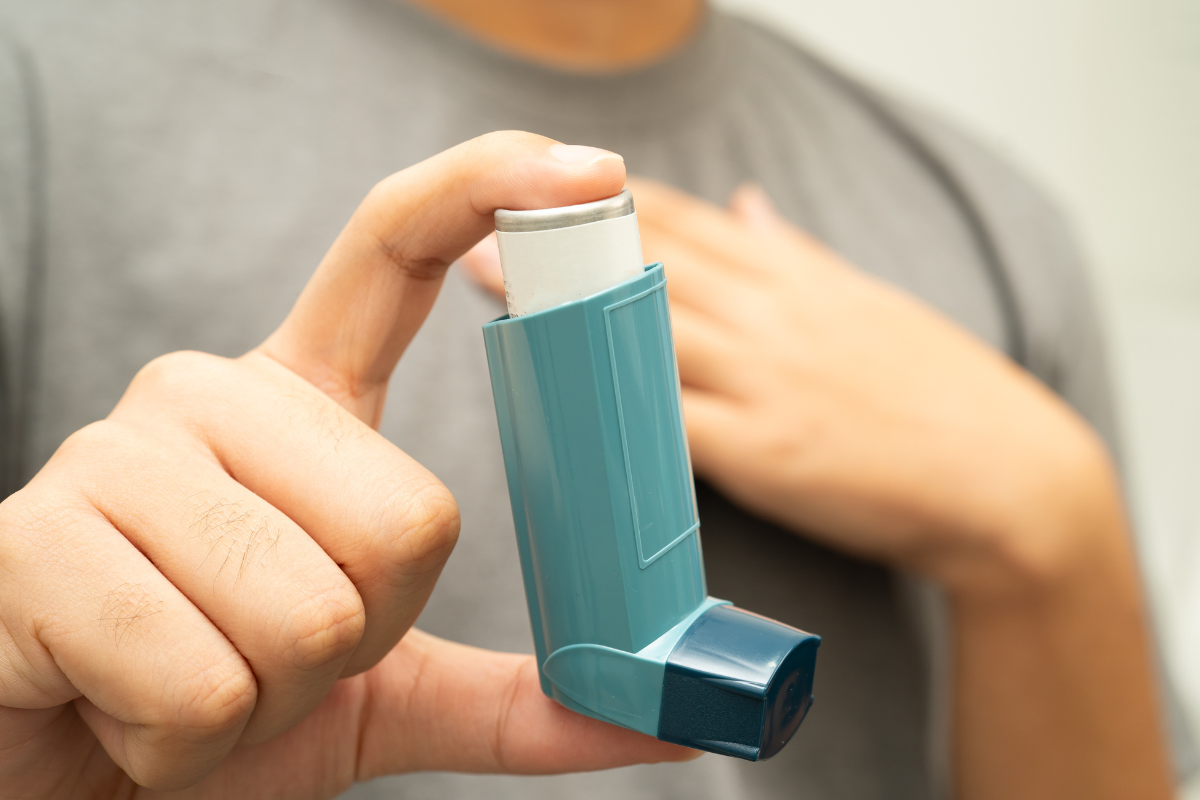
This article provides general educational information and does not replace personalised medical advice, diagnosis or treatment. Severe or rapidly worsening breathing difficulty can be a medical emergency and requires urgent professional care.
In This Article
Introduction
Wheezing after exercise or repeatedly coughing at night may be easy to dismiss as poor fitness, allergies or a lingering cold.
But these can also be symptoms of asthma.
Asthma is a chronic respiratory condition affecting the airways. WHO explains that inflammation and tightening of the muscles around the airways can narrow them and make breathing more difficult.
Symptoms can vary substantially. Some people experience occasional mild symptoms, while others have frequent problems or severe attacks.
Asthma can usually be managed effectively with appropriate treatment, trigger awareness and correct use of inhaled medicines.
What Happens During Asthma?
Your airways are tubes that carry air into and out of the lungs.
In asthma, these airways become more sensitive and inflamed.
When asthma is triggered, muscles around the airways can tighten and the lining can swell, narrowing the space available for air to move through.
Mucus production may also increase.
Together, these changes can cause wheezing, coughing, chest tightness and difficulty breathing.
The degree of narrowing can change over time, which is why someone may breathe normally between episodes but become symptomatic after exposure to a trigger.
Asthma is not simply “weak lungs.” It involves inflammation and narrowing of the airways, which is why controlling the underlying inflammation matters.
Common Symptoms in Adults
WHO lists several typical asthma symptoms, including coughing, wheezing, shortness of breath and chest tightness.
Symptoms may be intermittent rather than present all the time.
Some adults notice coughing primarily at night or early in the morning.
Others experience wheezing after exercise, during respiratory infections or when exposed to dust, smoke or other triggers.
Breathlessness may range from mild discomfort during activity to severe difficulty getting enough air.
Symptoms that repeatedly interrupt sleep, prevent normal activity or require frequent rescue medication suggest asthma may not be well controlled.
A persistent cough is not automatically asthma. Infections, reflux, smoking, medications and other lung conditions can cause similar symptoms, so proper diagnosis is important.
Can You Have Asthma Without Wheezing?
Yes.
Although wheezing is strongly associated with asthma, not every person experiences obvious wheezing during every episode.
For some people, coughing may be a more prominent symptom.
This is another reason asthma cannot be diagnosed from one symptom alone.
A healthcare professional considers the pattern of symptoms, triggers, medical history and breathing tests when appropriate.
Common Asthma Triggers
Asthma triggers differ between individuals.
WHO notes that symptoms can be triggered or worsened by environmental and lifestyle exposures. Tobacco smoke is particularly important, including second-hand smoke.
Other possible triggers can include:
- Dust and house-dust mites
- Pollen and mould
- Animal allergens
- Air pollution and smoke
- Respiratory infections
- Cold air or weather changes
- Physical exercise in some people
- Strong smells or irritating chemicals
Stress and strong emotions may also worsen symptoms in some people, although they are not the underlying cause of asthma.
Identifying your own triggers can help reduce unnecessary exposure without trying to avoid everything in your environment.
Keep a simple record of when symptoms occur. Note where you were, what you were doing and whether you had recently been ill. Patterns can make triggers easier to identify.
Does Exercise Cause Asthma?
Exercise can trigger asthma symptoms in some people because faster breathing changes the temperature and moisture conditions within the airways.
But having asthma does not mean you should avoid physical activity completely.
When asthma is well controlled, most people can participate in regular exercise.
If activity repeatedly causes coughing, wheezing or chest tightness, discuss this with your healthcare provider because treatment may need adjustment.
Adequate warm-up and following your asthma treatment plan can also help.
Can Asthma Begin in Adulthood?
Yes.
Some adults have asthma that began during childhood, disappeared or became much milder, and then returned later.
Others first develop symptoms during adulthood.
Adult-onset asthma can sometimes be associated with workplace exposures, allergies, respiratory infections or other health factors.
New breathing symptoms in adulthood should therefore not automatically be dismissed because you never had asthma as a child.
At the same time, conditions such as COPD, heart disease and other respiratory problems can cause similar symptoms, particularly in older adults or people with a smoking history.
If wheezing or breathlessness is new for you as an adult, get it properly assessed rather than assuming it is simply poor fitness or ageing.
How Asthma Is Diagnosed
Asthma diagnosis starts with the pattern of your symptoms.
A doctor may ask when symptoms occur, whether they are triggered by exercise or particular exposures, and whether asthma or allergic conditions run in your family.
Breathing tests can help assess airflow.
Spirometry measures how much air you can breathe out and how quickly you can expel it.
Testing before and after a bronchodilator medicine can show whether airflow improves, which may support an asthma diagnosis.
Other investigations may be used when the diagnosis remains uncertain or another condition is suspected.
Do not rely on someone else's inhaler to find out whether you have asthma. Similar breathing symptoms can come from several different conditions.
Preventers, Relievers and Inhaler Technique
Asthma medicines are commonly delivered through inhalers because this allows medication to reach the airways directly.
Different inhalers have different purposes.
Preventer medicines treat underlying airway inflammation and are generally used regularly according to the treatment plan.
SingHealth states that inhaled corticosteroids are the most effective anti-inflammatory medicines for long-term asthma control and can reduce the frequency and severity of asthma attacks.
Reliever medicines act more quickly to open narrowed airways and relieve acute symptoms.
A preventer should not be stopped simply because symptoms improve unless your healthcare professional advises a change.
Correct inhaler technique also matters. If an inhaler is used incorrectly, less medication may reach the lungs.
Bring your inhaler to medical appointments occasionally and ask someone to check your technique. Small technique errors can make a big difference.
Why an Asthma Action Plan Helps
An asthma action plan gives clear instructions about your usual treatment and what to do when symptoms begin worsening.
It may explain how to recognise deteriorating control, when to use medicines and when urgent medical attention is needed.
This can be especially useful because asthma symptoms can change quickly.
Rather than trying to remember instructions during a stressful attack, you have a written plan to follow.
When Asthma Becomes an Emergency
Asthma attacks can range from mild to life-threatening.
Severe airway narrowing can make it difficult to move enough air into and out of the lungs.
Urgent warning signs include rapidly worsening breathlessness, great difficulty speaking because of shortness of breath, severe chest tightness or failure to improve after using prescribed reliever medication.
Someone who becomes exhausted, confused, unusually drowsy or develops bluish or grey lips or fingertips may be severely lacking oxygen.
Asthma attacks can be fatal if not treated promptly. WHO emphasises that access to appropriate inhaled medicines is essential for reducing severe symptoms and asthma deaths.
Severe or rapidly worsening breathing difficulty is a medical emergency. In Singapore, call 995 or seek emergency medical care if symptoms are severe, the person cannot speak normally because of breathlessness, or prescribed reliever treatment is not helping.
Frequent Reliever Use Is a Warning Sign
Repeatedly reaching for a reliever inhaler can become normal for someone who has lived with asthma for years.
But frequent symptoms or regular reliever use may indicate that underlying asthma inflammation is not adequately controlled.
This should prompt a review of the treatment plan rather than simply accepting breathlessness as normal.
Inhaler technique, adherence to preventer medication and continued exposure to triggers may all need to be reviewed.
Living Well With Asthma
Well-controlled asthma should allow most people to remain active and participate in normal everyday life.
Take prescribed preventer medication consistently, learn correct inhaler technique and keep reliever medication accessible according to your treatment plan.
Avoid tobacco smoke and reduce exposure to triggers that clearly worsen your symptoms.
Keep vaccinations up to date according to individual medical recommendations because respiratory infections can worsen asthma.
Most importantly, recognise changes in your normal pattern.
Increasing night-time symptoms, worsening exercise tolerance or frequent attacks are reasons to review asthma control with a healthcare professional.
Good asthma control is not simply surviving attacks. The goal is to have few symptoms, sleep well, remain active and reduce the risk of serious flare-ups.
Key Takeaways
- Asthma is a chronic condition involving inflammation and narrowing of the airways.
- Common symptoms include coughing, wheezing, chest tightness and shortness of breath.
- Symptoms can vary over time and may be absent between episodes.
- Smoke, allergens, infections, weather changes and exercise can trigger symptoms in some people.
- Asthma can first appear during adulthood.
- Spirometry and other breathing tests can help diagnose asthma.
- Preventer inhalers treat airway inflammation and help reduce future attacks.
- Correct inhaler technique is essential for medication to work properly.
- Frequent symptoms or reliever use can indicate poor asthma control.
- Severe or rapidly worsening breathing difficulty requires emergency medical care.
Sources & References
- World Health Organization. Asthma. World Health Organization
- SingHealth. Asthma. SingHealth
- SingHealth. How to Manage Asthma. SingHealth
- Health Promotion Board, Singapore — HealthHub. Cough. HealthHub Singapore
- Health Promotion Board, Singapore — HealthHub. Salbutamol Inhaler and Respiratory Solution. HealthHub Singapore
About KnowvaLife
KnowvaLife creates practical health and wellness content designed to make everyday health information easier to understand. Our content is educational and does not replace personalised advice from qualified healthcare professionals.