
Fibre: Why Your Body Needs It and How to Get Enough
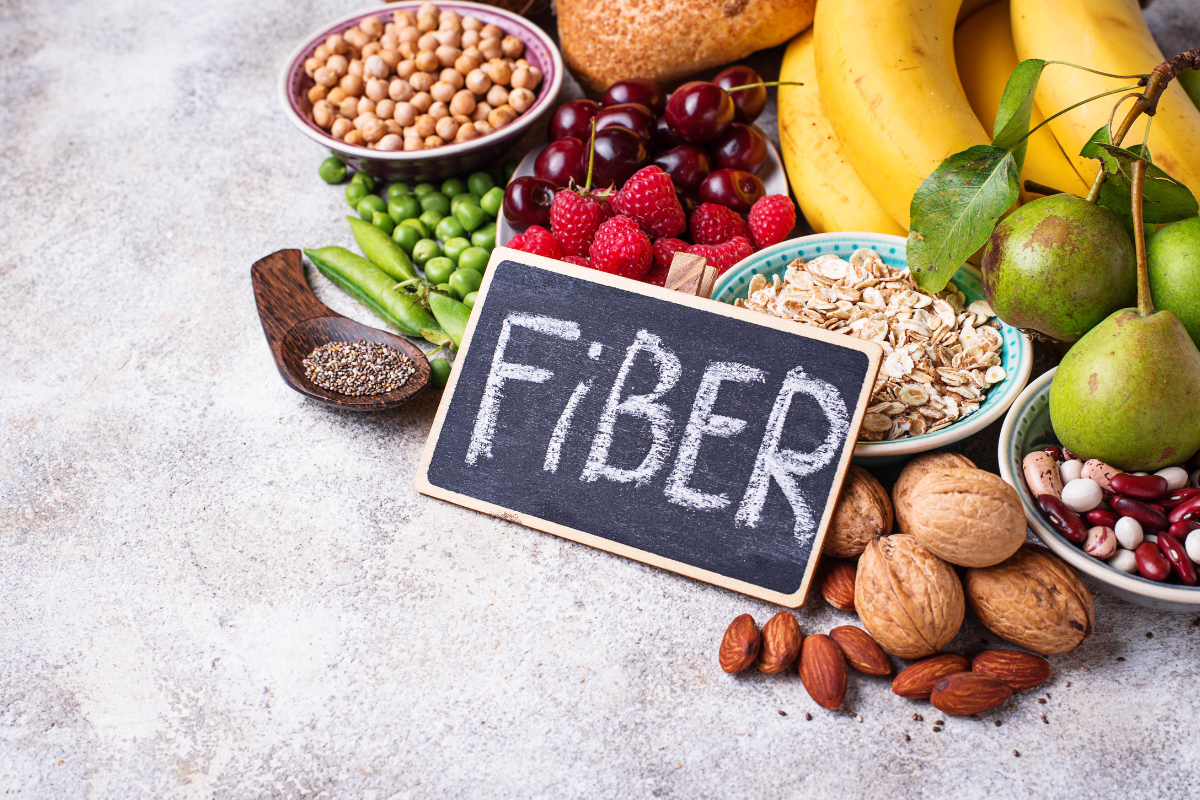
Dietary fibre supports digestion, helps keep bowel movements regular and can contribute to better blood sugar and cholesterol control. The easiest way to get more is usually to eat a wider variety of wholegrains, vegetables, fruit, beans, lentils, nuts and seeds.
This article provides general educational information and does not replace personalised medical or nutritional advice. People with digestive disorders, swallowing problems or conditions requiring a specialised diet should discuss major dietary changes with a qualified healthcare professional.
In This Article
Introduction
Fibre is one of those nutrients most people know they should eat more of, but it can be easy to overlook in everyday meals.
Unlike sugars and starches, much of dietary fibre is not broken down and absorbed in the same way as other carbohydrates.
Instead, it travels through the digestive system and contributes to healthy bowel function while different types of fibre have additional effects on blood sugar, cholesterol and fullness.
HealthHub notes that fibre can slow carbohydrate digestion and glucose absorption, while high-fibre foods include vegetables, fruit and wholegrain products.
The good news is that getting more fibre usually does not require unusual foods or expensive supplements. Everyday plant foods can provide plenty.
What Exactly Is Fibre?
Dietary fibre is found mainly in plant foods.
It includes parts of plants that resist digestion in the small intestine and reach the large intestine largely intact or partially fermented.
This gives fibre functions that are different from other carbohydrates.
Some types help add bulk to stools. Others absorb water or are fermented by bacteria living in the gut.
Whole plant foods usually contain a mixture of different fibre types rather than only one.
That is one reason eating a variety of vegetables, fruit, legumes and wholegrains is more useful than focusing on one supposed “super-fibre” food.
Think variety rather than perfection. Beans, oats, fruit, vegetables and wholegrain foods all contribute different forms of fibre.
Soluble and Insoluble Fibre
Dietary fibre is commonly discussed as soluble and insoluble fibre.
HealthHub explains that soluble fibre absorbs water and forms a gel-like substance as it moves through the digestive system. Sources include oats, barley, beans, peas, apples, oranges and root vegetables.
Insoluble fibre does not dissolve in water in the same way and helps add bulk to stools.
Wholegrains, vegetables, nuts, seeds and the skins of some fruits can provide insoluble fibre.
You generally do not need to calculate how many grams of each type you eat.
A varied plant-rich diet usually provides both.
Instead of trying to memorise fibre categories, rotate your sources: oats one day, beans another, plus vegetables and fruit throughout the week.
Fibre and Healthy Digestion
One of fibre's best-known benefits is supporting regular bowel movements.
Fibre can increase stool bulk and help stool move through the digestive tract more effectively.
HealthHub recommends increasing dietary fibre as part of preventing constipation, together with adequate fluids and regular movement.
But fibre works best when there is enough fluid available.
Increasing fibre substantially while drinking very little may make bowel symptoms uncomfortable for some people.
Regular physical activity also supports normal bowel function.
If constipation is persistent, severe, associated with blood in the stool, unexplained weight loss or significant abdominal pain, do not rely on fibre alone. Seek medical assessment.
Does Fibre Feed Your Gut Bacteria?
Some types of fibre and related carbohydrates can be fermented by bacteria living in the large intestine.
This fermentation produces compounds that may support the environment of the colon.
Different plant foods provide different fermentable fibres, which is another reason dietary variety can be useful.
However, suddenly eating very large quantities of fermentable fibre can also increase gas and bloating, particularly in people who are not accustomed to it.
Fibre, Blood Sugar and Cholesterol
Fibre can also influence how quickly carbohydrates are digested and absorbed.
HealthHub explains that dietary fibre can slow carbohydrate digestion and glucose absorption, helping support blood sugar control.
This is one reason wholegrain foods, legumes, vegetables and whole fruit generally affect the body differently from highly refined carbohydrate foods.
Certain soluble fibres can also help reduce absorption of cholesterol in the digestive tract and support healthy cholesterol levels.
Fibre-rich foods tend to require more chewing and can help meals feel more satisfying.
That does not mean fibre automatically causes weight loss, but higher-fibre foods can be useful within a balanced eating pattern.
When choosing carbohydrates, ask whether you can keep more of the food's natural fibre — for example, whole fruit instead of juice or wholegrain bread instead of refined white bread.
The Best Food Sources of Fibre
Fibre is naturally abundant in plant foods.
Useful sources include:
- Vegetables
- Whole fruits
- Beans, lentils and peas
- Oats and barley
- Wholemeal bread
- Brown rice and other wholegrains
- Nuts and seeds
- Wholegrain noodles and cereals
WHO recommends dietary patterns containing vegetables, fruits, legumes, nuts, seeds and whole grains — all important sources of fibre.
HealthHub's My Healthy Plate similarly recommends including wholegrains as part of meals and notes that they provide more fibre than refined grains.
You do not have to replace every grain with brown rice immediately. Small swaps across the day can add up.
White rice can still fit into a balanced diet. To increase fibre, add vegetables, beans or fruit to the meal, or replace part of your usual refined grains with a wholegrain option.
Whole Fruit or Fruit Juice?
Whole fruit generally retains substantially more fibre than juice.
The fibre in whole fruit also slows eating and makes the food more filling.
Juice can contain vitamins, but it is much easier to drink the equivalent of several pieces of fruit quickly.
For everyday intake, eating whole fruit is usually the better way to obtain both nutrients and fibre.
How Much Fibre Should You Aim For?
Exact fibre recommendations can vary according to age, sex and national guidelines.
SingHealth notes a commonly recommended target of around 30 grams of dietary fibre per day and reports that average intake in Singapore is considerably lower.
Rather than becoming overly focused on calculating every gram, you can use food patterns as a practical guide.
Include vegetables at main meals, eat whole fruit regularly, choose wholegrains more often and include legumes, nuts or seeds across the week.
WHO's healthy-diet guidance likewise emphasises eating a wide variety of fruits, vegetables, whole grains, legumes, nuts and seeds.
People with particular medical conditions may have different fibre needs, so individual advice can still matter.
If counting fibre grams feels tedious, start with the plate: include vegetables, choose a higher-fibre grain when practical and add fruit or legumes during the day.
Increase Fibre Gradually
Going from a very low-fibre diet to an extremely high-fibre diet overnight can cause bloating, gas and abdominal discomfort.
SingHealth specifically recommends increasing fibre gradually over a period of time to reduce bloating from excessive gas.
Add one or two changes at a time instead.
For example, switch breakfast cereal first, then add beans to one or two meals the following week.
Drink enough fluids as your fibre intake rises.
If increasing fibre consistently causes severe pain, diarrhoea or significant bloating, discuss it with a healthcare professional rather than forcing yourself to continue.
More fibre is not always better immediately. Increase intake gradually and allow your digestive system time to adjust.
Do You Need a Fibre Supplement?
Fibre supplements can be useful in certain situations, but whole foods have advantages.
Vegetables, fruit, legumes and wholegrains provide vitamins, minerals and other plant compounds in addition to fibre.
Supplements may be recommended for specific bowel problems or when food intake is insufficient.
If you take regular medicines, ask a pharmacist or healthcare professional whether a fibre supplement should be separated from your medication because some products can affect absorption.
Simple Ways to Eat More Fibre
You do not need to redesign every meal.
Start with familiar foods and make small adjustments.
Choose wholemeal bread for some sandwiches. Add oats to breakfast. Include beans or lentils in soups, curries or stews.
Add an extra vegetable to noodle or rice dishes.
Snack on whole fruit instead of relying mainly on juice.
Use nuts or seeds in sensible portions as toppings for yoghurt, oats or salads.
HealthHub also encourages wholegrain options because refined grains lose much of their bran and germ during processing and therefore contain less fibre.
Aim for one small fibre upgrade at each meal rather than trying to transform your entire diet at once.
Fibre Works Best as Part of a Balanced Diet
Fibre deserves attention, but one nutrient cannot make an entire diet healthy.
Your body also needs adequate protein, healthy fats, vitamins, minerals and overall energy.
WHO's current healthy-diet guidance emphasises variety across vegetables, fruits, whole grains, legumes, nuts, seeds and appropriate protein foods rather than relying on one nutrient in isolation.
The easiest long-term strategy is therefore not to chase a fibre number with supplements.
Build more minimally processed plant foods into meals you already enjoy.
Key Takeaways
- Dietary fibre is found mainly in plant foods.
- Different types of fibre support digestion in different ways.
- Fibre can help support regular bowel movements.
- Some fibre slows carbohydrate digestion and glucose absorption.
- Soluble fibre can contribute to healthier cholesterol levels.
- Vegetables, fruit, legumes, wholegrains, nuts and seeds are useful fibre sources.
- Whole fruit generally provides more fibre than fruit juice.
- Around 30 grams per day is a commonly recommended adult target in Singapore.
- Increase fibre gradually to reduce bloating and gas.
- Whole foods provide nutrients beyond fibre and should usually form the foundation of intake.
Sources & References
- Health Promotion Board, Singapore — HealthHub. Boost Your Health: The Essential Benefits of Dietary Fibre. HealthHub Singapore
- Health Promotion Board, Singapore — HealthHub. Understanding Carbohydrates. HealthHub Singapore
- SingHealth. High Fibre Diet. SingHealth
- World Health Organization. Healthy Diet. World Health Organization
- Health Promotion Board, Singapore — HealthHub. Plan Your Meals With My Healthy Plate. HealthHub Singapore
About KnowvaLife
KnowvaLife creates practical health and wellness content designed to make everyday health information easier to understand. Our content is educational and does not replace personalised advice from qualified healthcare professionals.