How to Build a Healthy Gut: 7 Everyday Habits That May Help
Your digestive system does far more than process food. From fibre and hydration to movement and fermented foods, simple everyday habits may help support regular digestion and a healthier gut environment.

This article is for general educational purposes only and is not a substitute for professional medical advice, diagnosis or treatment. Persistent abdominal pain, blood in the stool, unexplained weight loss, recurring vomiting, significant changes in bowel habits or other concerning digestive symptoms should be assessed by a qualified healthcare professional.
In This Article
Introduction
The term “gut health” is used widely today, but your gut is not a single organ or a simple measure of how many so-called good bacteria you have. Your gastrointestinal system includes the stomach and intestines, where food is broken down, nutrients are absorbed and waste is eventually removed from the body.
Your digestive tract is also home to a large community of microorganisms often referred to as the gut microbiome. Scientists continue to study exactly how these microorganisms interact with digestion, metabolism, immunity and other aspects of health. Many claims about “fixing” or “resetting” the microbiome go further than the evidence currently supports.
Fortunately, supporting digestive health does not require a complicated cleanse, expensive supplement programme or highly restrictive diet. Some of the most useful habits are familiar ones: eating enough fibre, choosing a varied diet, drinking enough fluids, staying active and paying attention when digestive symptoms persist.
Eat More Fibre-Rich Foods
Dietary fibre is one of the most important parts of a gut-supportive eating pattern. Fibre is found naturally in foods such as vegetables, fruit, beans, lentils, whole grains, nuts and seeds.
Unlike many other nutrients, some types of fibre are not completely digested in the small intestine. They reach the large intestine, where they can contribute to stool bulk and may be fermented by gut bacteria.
The World Health Organization recommends that people older than 10 years aim for at least 25 grams of naturally occurring dietary fibre each day. Singapore's HealthHub also encourages fibre-rich eating using foods such as whole grains, vegetables and fruit.
If your current diet is low in fibre, increase it gradually rather than making a sudden large change. Adding large amounts of fibre too quickly may cause temporary bloating or gas in some people.
Start by upgrading one everyday meal. Add vegetables to noodles or rice, choose wholegrain bread when practical, or include fruit with breakfast instead of trying to change your entire diet overnight.
Include a Variety of Plant Foods
Fibre is important, but variety also matters. Different plant foods contain different types of fibre and nutrients, so relying on only one or two “gut health” foods is unlikely to provide everything your digestive system needs.
Vegetables, fruits, whole grains, beans, lentils, nuts and seeds can all contribute to a varied diet. You do not need to buy unusual ingredients or follow an expensive eating programme. Familiar foods eaten regularly can provide plenty of nutritional variety.
A useful way to think about this is to look at your meals across an entire week rather than expecting every plate to be perfect. If you repeatedly eat the same vegetables and carbohydrates, gradually introduce a few different options.
When shopping, choose two or three different colours of vegetables or fruit. Variety does not have to mean complicated recipes.
Stay Well Hydrated
Fluid supports normal digestive function and works alongside fibre to help keep stool softer and easier to pass. Increasing fibre without enough fluid may be uncomfortable for some people, particularly if they are already prone to constipation.
Water is a practical everyday choice. Your exact fluid needs can vary depending on your body size, activity level, climate, diet, pregnancy and health conditions.
There is no need to force extremely large amounts of water in the belief that it will “flush toxins” from your digestive system. Instead, drink regularly throughout the day and pay attention to thirst.
Some people with heart, kidney or other medical conditions may have specific fluid recommendations. Follow your healthcare professional's advice if you have been told to restrict or carefully manage your fluid intake.
Consider Fermented Foods
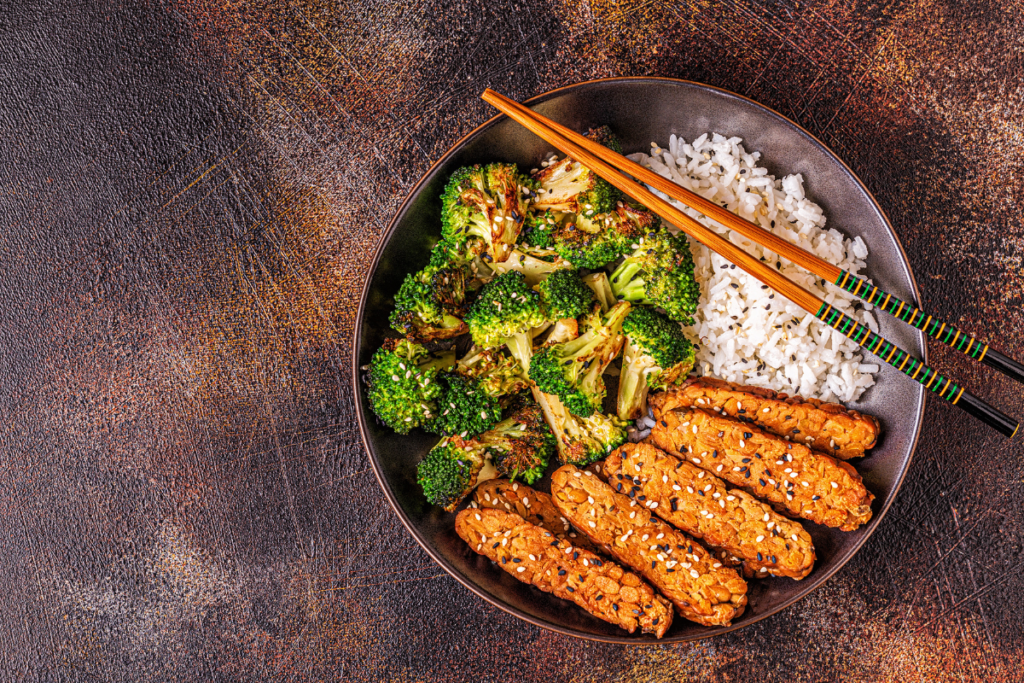
Fermented foods such as yoghurt with live cultures, tempeh and some fermented vegetables may contain beneficial microorganisms. Singapore HealthHub includes foods such as yoghurt, tempeh and kimchi among practical dietary sources associated with probiotics.
That does not mean every fermented food will have the same effect or that everyone needs a probiotic supplement. Products differ widely in the organisms they contain, and the benefits of a particular probiotic can depend on the specific strain and health condition being studied.
For most healthy adults, food can be a sensible place to start. If you enjoy yoghurt, tempeh or another fermented food, it can form part of an overall balanced diet without being treated as a miracle cure.
Think of fermented foods as one part of your diet, not as a replacement for fibre, vegetables, fruit and other nutritious foods.
Keep Your Body Moving
Physical activity is usually discussed in relation to fitness and heart health, but regular movement can also support bowel regularity.
You do not need intense exercise for every movement session to be worthwhile. Walking, cycling, swimming, household activities and structured workouts can all help you spend less time sitting.
HealthHub recommends regular activity as one of the practical measures that may help people experiencing constipation. Building movement into your normal routine may also provide benefits for your cardiovascular, metabolic and mental health.
A short walk after a meal is an easy way to add movement without needing a separate gym session.
Pay Attention to Your Bowel Habits
Everyone's bowel pattern is slightly different. What is normal for one person may not be normal for another, so the important thing is noticing significant or persistent changes in your own usual pattern.
Regularly ignoring the urge to have a bowel movement may contribute to constipation in some people. Allow yourself enough time and privacy rather than repeatedly delaying when you need to go.
Occasional bloating or changes in bowel habits can happen for many reasons, including food, travel, illness and medication. Persistent symptoms deserve more attention.
Seek medical advice for blood in the stool, unexplained weight loss, severe or persistent abdominal pain, recurring vomiting, black stools, persistent diarrhoea or constipation, or a major unexplained change in bowel habits.
Avoid Unnecessary Antibiotic Use
Antibiotics can be essential and sometimes lifesaving when they are needed for bacterial infections. However, they do not treat viral infections such as the common cold, and they should not be taken simply to improve or “reset” gut health.
Antibiotics can affect bacteria in the digestive tract as well as the bacteria causing an infection. This is one reason they should be used appropriately and according to medical advice.
Do not stop a prescribed antibiotic because you are worried about your gut microbiome without speaking to the healthcare professional who prescribed it. The goal is appropriate antibiotic use, not avoiding necessary treatment.
Do not buy, share or use leftover antibiotics without proper medical guidance. If antibiotics have been prescribed for you, follow the instructions given by your healthcare professional.
Do You Need a Gut Cleanse or Detox?
Products promising to “detox”, “flush” or completely reset the gut can sound appealing, particularly when digestive symptoms are frustrating. However, a healthy digestive system does not normally need a commercial cleanse to remove unspecified toxins.
Restrictive cleanses may also reduce your intake of energy, protein, fibre and other nutrients. Some products marketed for cleansing can have laxative effects, which may cause diarrhoea, dehydration or electrolyte disturbances.
If you regularly experience bloating, abdominal discomfort, constipation or diarrhoea, it is more useful to look for the underlying reason than repeatedly attempting to cleanse the digestive system.
What About Probiotic Supplements?
Probiotic supplements are widely marketed for digestive health, but they should not all be treated as interchangeable. Different products contain different microorganisms and amounts, and evidence for a particular strain does not automatically apply to every probiotic product.
For someone who is generally healthy and simply wants to support good digestion, the foundation should still be a varied, fibre-rich eating pattern, adequate fluid and regular movement.
People with significant medical conditions, weakened immune systems or persistent digestive symptoms should speak with an appropriate healthcare professional before relying on supplements for treatment.
When Digestive Symptoms Need Medical Attention
Gut-health advice online often focuses heavily on food, but digestive symptoms can sometimes reflect medical conditions rather than a lifestyle problem.
Conditions such as food intolerances, inflammatory bowel disease, infection and other gastrointestinal disorders can produce symptoms including diarrhoea, bloating, abdominal pain and altered bowel habits. SingHealth notes, for example, that tests such as the hydrogen breath test may be used when conditions such as lactose intolerance or small intestinal bacterial overgrowth are suspected.
If symptoms are persistent, severe or worsening, getting the correct diagnosis is more useful than repeatedly eliminating foods or trying new supplements without knowing the cause.
Key Takeaways
- Gut health is broader than simply increasing “good bacteria.”
- Fibre-rich foods are an important foundation for healthy digestion.
- A varied intake of vegetables, fruit, whole grains, beans, nuts and seeds can help provide different types of fibre and nutrients.
- Adequate hydration works together with fibre to support normal bowel function.
- Fermented foods can be part of a balanced diet, but they are not a cure-all.
- Regular physical activity can support bowel regularity as well as overall health.
- Antibiotics should be used appropriately rather than avoided when they are medically necessary.
- Persistent or concerning digestive symptoms should be properly assessed rather than treated with repeated cleanses or restrictive diets.
Sources & References
- Health Promotion Board, Singapore — HealthHub. Boost Your Health: The Essential Benefits of Dietary Fiber. HealthHub Singapore
- Health Promotion Board, Singapore — HealthHub. Constipation in Adults: Causes and Prevention. HealthHub Singapore
- World Health Organization. Healthy Diet. WHO
- SingHealth. Hydrogen Breath Test. SingHealth
About KnowvaLife
KnowvaLife creates practical health and wellness content designed to make everyday health information easier to understand. Our content is educational and does not replace personalised advice from qualified healthcare professionals.