Zero-Sugar Drinks: Are They Really Healthier?
Zero-sugar soft drinks can reduce sugar and calories compared with regular versions—but “zero sugar” does not automatically mean healthy. Here is how sweeteners, labels and drinking habits fit into the bigger picture.
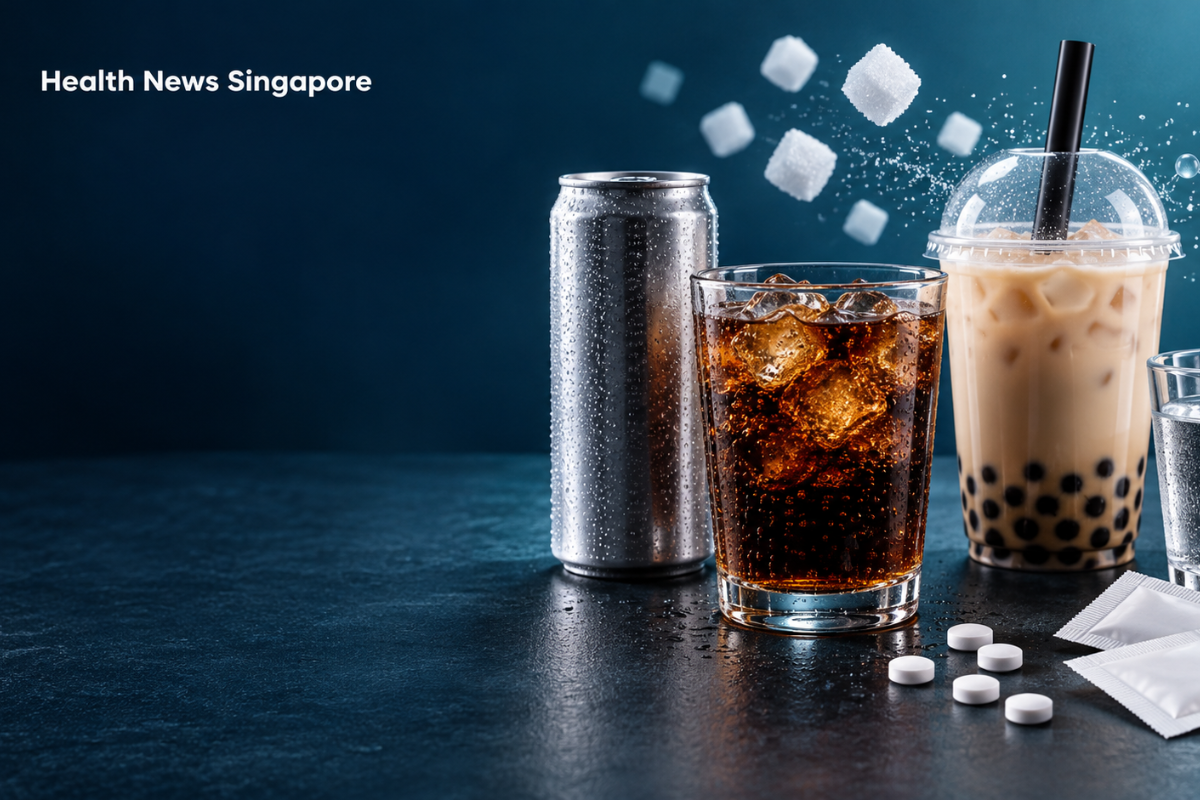
Zero-sugar drinks contain little or no sugar, but they may still be sweetened and acidic. | Illustrative image, AI-generated
This article provides general health information and does not replace personalised advice from a doctor or dietitian. People with diabetes or other medical conditions should follow the guidance of their healthcare professional.
NUTRITION — A can marked “zero sugar” may look like the obvious healthy choice. Compared with a regular sugar-sweetened drink, it usually contains much less sugar and fewer calories. But that does not make it nutritionally equal to plain water.
Most zero-sugar soft drinks obtain their sweet taste from non-sugar sweeteners. These may include aspartame, sucralose, acesulfame potassium, steviol glycosides or other permitted sweeteners. The precise ingredients vary, so checking the label matters.
Choosing a zero-sugar version instead of a sugary soft drink can reduce sugar and calorie intake. It is best treated as an occasional substitute—not as the main drink for hydration or a shortcut to better health.
What Does “Zero Sugar” Actually Mean?
“Zero sugar” describes the sugar content of the product. It does not necessarily mean the drink is unsweetened, calorie-free, caffeine-free, additive-free or good for your teeth.
Some products use intense sweeteners that provide sweetness in very small amounts. Others may contain sugar alcohols or a mixture of sweeteners. Always read the ingredient list and nutrition information instead of relying only on the front label.
Is It Better Than a Regular Soft Drink?
Replacing a sugary drink with a zero-sugar version can substantially reduce free-sugar intake.
Many zero-sugar drinks contain very few calories, although the label should still be checked.
Carbonated and flavoured drinks can remain acidic and may contribute to dental erosion.
Plain water hydrates without sweetness, acidity, caffeine or unnecessary additives.
If the only comparison is regular cola versus zero-sugar cola, the zero-sugar option generally provides less sugar and fewer calories. But an even better everyday comparison is zero-sugar cola versus water or an unsweetened drink.
Can Zero-Sugar Drinks Help With Weight Loss?
They may help reduce calories when they directly replace high-sugar drinks and the saved calories are not replaced elsewhere. However, this does not guarantee weight loss. Body weight is influenced by the overall diet, physical activity, sleep, health conditions and long-term habits.
The World Health Organization advises against relying on non-sugar sweeteners for long-term weight control. Its recommendation focuses on long-term health outcomes and does not mean that every approved sweetener is unsafe at permitted intake levels.
A label cannot compensate for a diet that is consistently high in calories or low in nutritious foods. Think of a zero-sugar drink as one possible swap, not a complete strategy.
Are Non-Sugar Sweeteners Safe?
Food authorities assess permitted sweeteners and establish acceptable daily intake levels where appropriate. Consuming an approved sweetener within regulated limits is different from using it as a long-term weight-management strategy.
The WHO guideline on non-sugar sweeteners is not a toxicology ruling and does not replace established safety limits. Its main message is that people should gradually reduce the overall sweetness of their diet rather than depend on sweeteners for lifelong weight control.
What About Diabetes and Blood Sugar?
A zero-sugar drink generally has less immediate effect on blood glucose than the sugar-sweetened version. That can make it a more suitable substitute for some people with diabetes.
However, “zero sugar” does not mean the whole product—or the meal consumed with it—is automatically suitable. People with diabetes should consider total carbohydrate intake, portion size and their individual care plan.
Can Zero-Sugar Drinks Damage Teeth?
Removing sugar reduces the fuel available to bacteria that cause tooth decay, but many soft drinks remain acidic. Frequent exposure to acids can gradually wear away tooth enamel, even when the drink contains no sugar.
- Drink it with a meal rather than sipping repeatedly for hours.
- Avoid swishing the drink around the mouth.
- Use a straw when practical to reduce contact with teeth.
- Rinse with plain water afterwards.
- Do not brush immediately after an acidic drink; allow saliva time to neutralise the acid.
Does It Keep You Craving Sweet Food?
Responses differ between individuals. A zero-sugar drink may help some people move away from sugary beverages. For others, regularly consuming very sweet flavours may make it harder to become comfortable with less-sweet food and drinks.
A practical goal is to reduce both added sugar and the overall expectation that every drink must taste sweet. This can be done gradually by alternating with water, choosing smaller servings or moving towards unsweetened options.
What Should You Check on the Label?
- Ingredient list: Look for sweeteners, caffeine and acids.
- Nutrition panel: Check sugar, carbohydrates, calories and serving size.
- Nutri-Grade: In Singapore, use the grade as one tool for comparing beverages.
- Caffeine: Cola and energy-style drinks may affect sleep, anxiety or heart rate.
- Portion size: A large bottle can encourage frequent sipping even when sugar-free.
Nutri-Grade helps consumers compare beverages based on sugar and saturated-fat thresholds. A better grade can guide your choice, but it does not turn a soft drink into a necessary source of nutrition.
Who May Need Extra Care?
Children should learn to rely mainly on water and plain milk rather than routinely drinking intensely sweet beverages. Pregnant people and anyone sensitive to caffeine should check whether the product contains caffeine. Some people may also experience digestive discomfort from particular sugar alcohols.
People with phenylketonuria must avoid or strictly limit phenylalanine and should follow medical advice regarding products containing aspartame. Relevant products carry a warning on the label.
Better Everyday Drink Choices
The best default choice for hydration throughout the day.
Choose it without syrup, sugar, condensed milk or sweet toppings.
Add lemon, cucumber, mint or berries for flavour without making it very sweet.
Gradually move from 50% sugar to 25% and then to zero or unsweetened.
So, Should You Drink Zero-Sugar Drinks?
You do not need to avoid them completely. If you currently drink regular soft drinks often, switching to zero sugar can be a realistic step that lowers sugar intake. The bigger improvement is to make water and unsweetened drinks your everyday choices.
Zero-sugar drinks are usually lower in sugar and calories than regular soft drinks, but they are not the same as water and they do not guarantee weight loss. Use them as an occasional bridge away from sugary drinks while gradually reducing your preference for sweetness.
Key Takeaways
- Zero sugar does not necessarily mean unsweetened, caffeine-free, acid-free or healthy.
- A zero-sugar drink can reduce sugar and calories when it replaces a sugary drink.
- Non-sugar sweeteners should not be relied upon as a guaranteed long-term weight-loss method.
- Acidic zero-sugar drinks may still contribute to tooth erosion.
- Singapore’s Nutri-Grade label can help with comparisons, but the ingredient list also matters.
- Plain water remains the best everyday drink for most people.
Sources & References
- Health Promotion Board Singapore: Measures for Nutri-Grade.
- Health Promotion Board Singapore: Healthier Choice Symbol.
- World Health Organization: Use of non-sugar sweeteners guideline.
- World Health Organization: Advice on non-sugar sweeteners and weight control.
- World Health Organization: Health effects of non-sugar sweetener use.
About KnowvaLife
KnowvaLife explains health news and everyday health topics in simple, easy-to-understand language. We use reliable health sources to help readers understand important developments and make more informed health decisions.