Do You Really Need a Detox? What Your Liver and Kidneys Actually Do
Detox teas, juice cleanses and restrictive diets often promise to remove toxins from the body. But your body already has sophisticated systems for processing substances and removing waste — with your liver and kidneys playing major roles.
This article provides general educational information and does not replace personalised medical or nutritional advice. People with liver disease, kidney disease, diabetes or other medical conditions should follow guidance from their healthcare team and should not begin restrictive detox programmes without professional advice.
In This Article
Introduction
After a period of eating heavily, travelling or celebrating, you may hear that your body needs a “detox.”
Advertisements may recommend several days of juices, special teas, supplements or extremely restrictive diets to supposedly remove accumulated toxins.
The idea sounds simple, but the biology of removing and processing substances is much more complicated.
Your body is continuously carrying out these processes. Your liver transforms and processes nutrients, medicines and many other substances, while your kidneys filter the blood and remove waste and excess water through urine.
Rather than trying to periodically “clean” these organs, a more useful approach is to protect their health throughout the year.
What Does “Detox” Actually Mean?
In medicine, detoxification has specific meanings.
For example, medically supervised detoxification may be used when treating dependence on alcohol or certain drugs.
Commercial wellness products often use the word very differently.
A detox diet may claim to cleanse the liver, flush toxins from the body, reset metabolism or remove substances that have supposedly accumulated because of an unhealthy diet.
The problem is that these claims often do not clearly identify which “toxins” are being removed, how they are measured or why the body's existing systems are unable to handle them.
Whenever a detox product promises to remove “toxins,” ask a simple question: Which toxin, specifically? Vague claims deserve caution.
What Your Liver Does
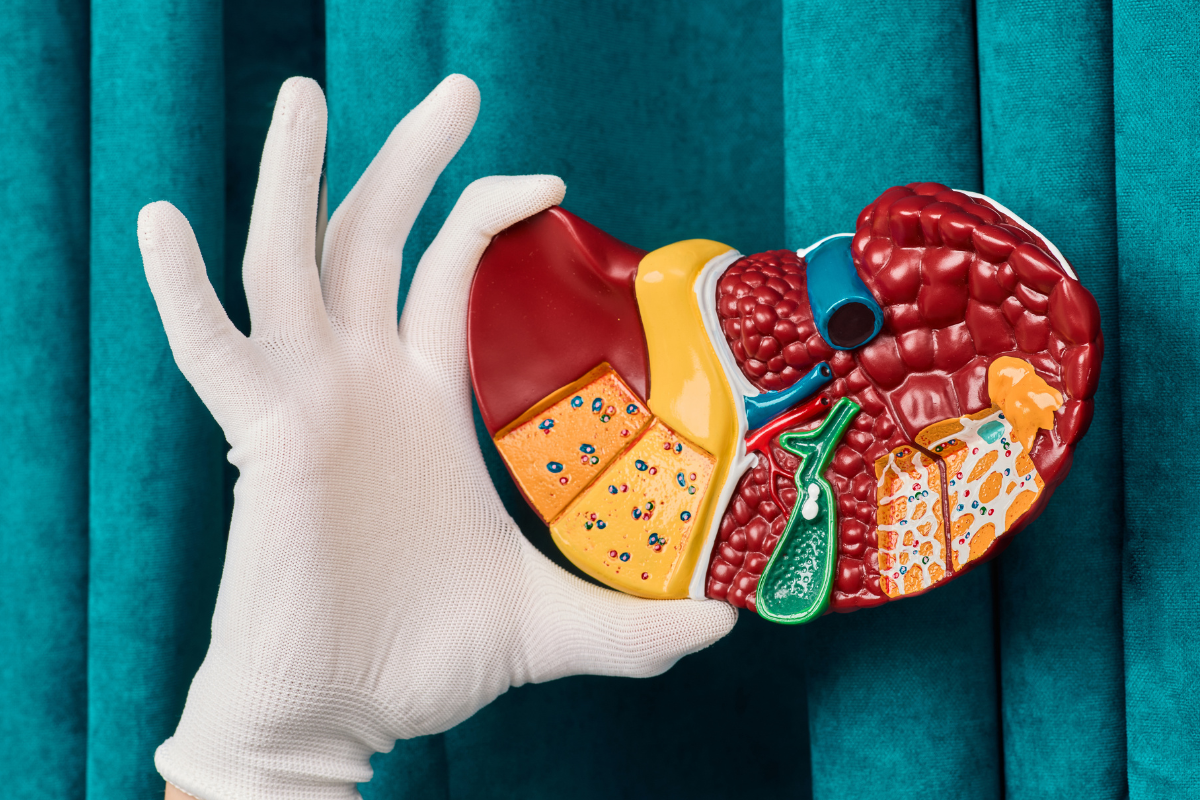
The liver is one of the body's largest and most metabolically active organs.
It receives nutrients absorbed from the digestive system and processes, stores and distributes many of them according to the body's needs.
The liver also helps process medicines, alcohol and numerous other substances.
Many substances are chemically transformed by liver enzymes so they can be used, neutralised or eliminated from the body.
The liver also produces bile, makes important proteins and helps regulate aspects of carbohydrate and fat metabolism.
This work happens continuously — not only after you drink a green juice.
Your liver does not normally need a weekend “cleanse.” Protecting it through long-term healthy habits matters far more.
Does the Liver Store Toxins Until You Cleanse It?
Not in the way detox advertisements often suggest.
The liver continually processes substances that reach it through the bloodstream.
Some chemicals can accumulate in body tissues under particular circumstances, and genuine poisoning or toxic exposure requires medical assessment.
But this is very different from claiming that routine eating creates a layer of unspecified toxins that can be washed away with juice or tea.
If the liver becomes damaged by disease, alcohol, medicines or another cause, treatment depends on the underlying problem rather than a commercial cleanse.
What Your Kidneys Do
Your kidneys are another major part of the body's waste-management system.
Healthy kidneys continuously filter blood through millions of microscopic filtering units called nephrons.
They remove waste products and excess water while returning substances the body still needs back to the bloodstream.
The resulting urine travels from the kidneys to the bladder before leaving the body.
The kidneys also help regulate fluid, salts and minerals and contribute to blood-pressure control and hormone production.
This careful regulation is much more sophisticated than simply “flushing” the body with unusually large amounts of liquid.
Drinking enough fluid is important, but forcing excessive amounts of water does not make healthy kidneys perform a magical extra cleanse.
Do Detox Diets Remove Toxins?
There is no need for most healthy people to periodically follow a special detox diet to make the liver and kidneys begin removing waste.
These organs are already working continuously.
Some detox diets may make people feel temporarily different because they reduce alcohol, highly processed foods or overall energy intake.
If someone normally drinks sugary beverages and eats large portions, then spends several days eating fruits, vegetables and lighter meals, they may naturally consume fewer calories and less sodium.
That does not prove that toxins were removed.
It may simply reflect a temporary change in the overall diet.
Temporary weight loss during a highly restrictive cleanse can include changes in water, stored carbohydrate and food in the digestive system. It should not automatically be interpreted as toxins or body fat leaving the body.
What About Detox Teas and Juices?
Fruit and vegetable juices can provide some vitamins and minerals, but that does not make them medically necessary detox treatments.
Juicing can also remove much of the fibre found in whole fruits and vegetables.
Some commercial detox teas may contain herbs, stimulants or ingredients with laxative or diuretic effects.
Using the bathroom more frequently can create the impression that the body is being “cleansed,” but increased bowel movements or urination are not proof that harmful substances are being removed more effectively.
Herbal products can also interact with medicines or cause unwanted effects.
Natural does not automatically mean harmless. Herbal supplements and detox products can cause side effects and may interact with medicines.
Can Detox Diets Be Harmful?
Some can be.
Very restrictive diets may provide insufficient energy, protein or essential nutrients.
Products that cause diarrhoea or excessive urination can contribute to dehydration or electrolyte disturbances.
People taking medication may also experience problems if they suddenly make major dietary changes.
Individuals with diabetes, kidney disease, liver disease, pregnancy or other medical conditions can face additional risks from unsupervised restrictive programmes.
If a programme requires you to stop normal food intake for days or take multiple supplements, it deserves careful scrutiny.
Support Your Liver and Kidneys Instead
You do not need to “clean” healthy organs, but you can reduce unnecessary strain on them.
Eat a balanced diet based on vegetables, fruit, whole grains, suitable protein sources and other nutrient-rich foods.
Limit excessive sodium, added sugars and foods high in saturated fat as part of an overall healthy eating pattern.
Avoid smoking and limit alcohol intake.
Regular physical activity and maintaining a healthy body weight can help reduce the risk of metabolic conditions associated with fatty liver and kidney disease.
Managing blood pressure and diabetes is particularly important for kidney protection.
The best “detox plan” is not a three-day cleanse. It is consistently reducing the things that can damage your health while giving your body adequate nutrition.
Does Drinking More Water Clean Your Kidneys?
Your kidneys need adequate fluid to function, but more is not always better.
Fluid requirements vary according to body size, activity, climate, diet and medical conditions.
Drinking when thirsty and maintaining normal hydration is appropriate for many healthy adults.
People with certain kidney or heart conditions may actually be given individual fluid limits.
Trying to force several litres beyond your body's needs is therefore not a sensible universal detox strategy.
When Your Organs Need Medical Help
A detox drink cannot treat actual liver or kidney disease.
Liver disease can occur because of conditions such as viral hepatitis, alcohol-related injury, metabolic fatty liver disease, medications or other causes.
Kidney disease can develop because of diabetes, high blood pressure and many other conditions.
Both liver and kidney disease can sometimes progress with few obvious early symptoms.
When symptoms, abnormal blood tests or significant risk factors suggest a problem, medical assessment is appropriate.
Treatment focuses on identifying and managing the actual cause rather than attempting to flush the organ clean.
Symptoms such as yellowing of the skin or eyes, significant swelling, blood in the urine, major changes in urination or unexplained persistent illness should not be treated with a home detox. Seek appropriate medical assessment.
Skip the Reset — Build Healthy Habits
There is nothing wrong with deciding to eat better after a period of less-balanced meals.
But you do not need to punish your body or compensate with a drastic cleanse.
Simply return to your normal healthy routine.
Choose balanced meals, drink enough fluids, move regularly, sleep adequately and reduce excessive alcohol and highly processed foods.
These habits support overall health while allowing your liver, kidneys and other organs to continue doing the work they are designed to do.
A healthy lifestyle does not require repeatedly “resetting” your body.
After a holiday or celebration, skip the guilt and the cleanse. Your next balanced meal is enough to restart your normal routine.
Key Takeaways
- Your body already has sophisticated systems for processing substances and removing waste.
- The liver processes nutrients, medicines, alcohol and many other substances.
- The kidneys filter blood and remove wastes and excess water through urine.
- Healthy people generally do not need special detox diets to make these organs work.
- Short-term changes during a cleanse do not prove that unspecified toxins have been removed.
- Detox teas and supplements may contain ingredients that cause side effects or interact with medicines.
- Very restrictive cleanses can provide inadequate nutrition or contribute to dehydration.
- Balanced eating, regular activity, avoiding smoking and limiting excessive alcohol are better long-term strategies.
- Managing diabetes and blood pressure can help protect kidney health.
- Actual liver or kidney disease requires appropriate medical assessment rather than a commercial detox.
Sources & References
- National Institute of Diabetes and Digestive and Kidney Diseases. Your Kidneys & How They Work. NIDDK
- National Institute of Diabetes and Digestive and Kidney Diseases. Liver Disease. NIDDK
- National Institute of Diabetes and Digestive and Kidney Diseases. Your Digestive System & How It Works. NIDDK
- Health Promotion Board, Singapore — HealthHub. Kidney Health and Kidney Care. HealthHub Singapore
- Health Promotion Board, Singapore — HealthHub. Reduce Your Salt and Sugar Intake. HealthHub Singapore
- World Health Organization. Healthy Diet. World Health Organization
About KnowvaLife
KnowvaLife creates practical health and wellness content designed to make everyday health information easier to understand. Our content is educational and does not replace personalised advice from qualified healthcare professionals.