
Malaysia Haze Is Driving Up Asthma and Respiratory Cases: Who Should Be Extra Careful?
Malaysia's Health Ministry is increasing preparedness as haze affects air quality across the country. Recent monitoring has shown a sharp rise in asthma and upper respiratory tract infection cases, making it especially important for higher-risk groups to reduce their exposure.
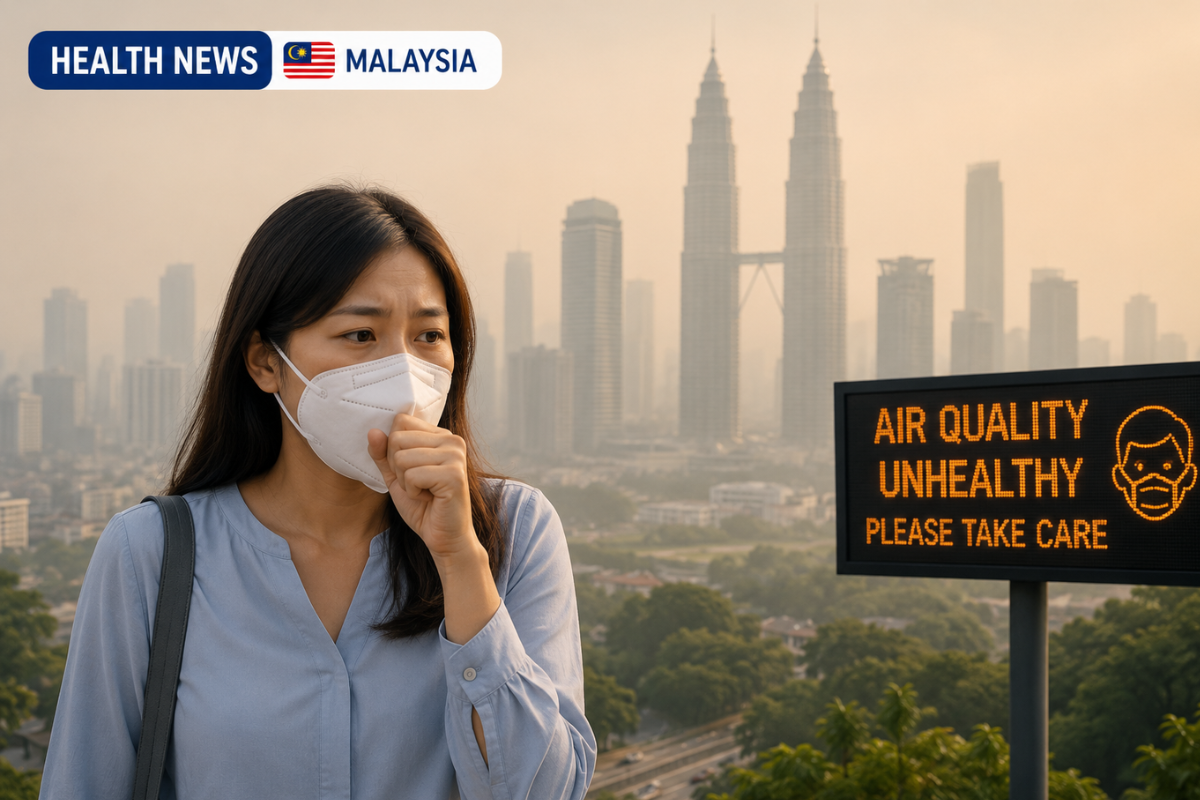
Illustrative image | AI-generated
This article provides general health information and does not replace medical advice. People with asthma, heart disease, lung disease or other medical conditions should follow advice from their healthcare professional. Seek medical attention if breathing problems become severe or symptoms worsen.
HEALTH NEWS — Malaysia is strengthening its healthcare preparedness as haze continues to affect air quality in many parts of the country.
On August 26, the Health Ministry said around 30 areas nationwide had recorded unhealthy Air Pollutant Index readings.
The ministry is preparing healthcare workers, monitoring systems and medical facilities for a possible increase in haze-related illness.
The main concerns include asthma and upper respiratory tract infections.
Health Ministry monitoring between epidemiological weeks 32 and 33 found asthma cases rising from 61 to 219. Upper respiratory tract infection cases increased from 1,637 to 3,674 during the same period.
Why Can Haze Affect Your Health?
Haze contains very small particles and other pollutants in the air.
When people breathe polluted air, these particles can enter the nose, throat and lungs.
For many healthy people, short exposure may cause mild irritation.
But people with asthma or existing lung and heart conditions may experience stronger symptoms.
Polluted air may irritate the throat and airways and trigger coughing.
People may notice wheezing, chest tightness or shortness of breath.
Haze may cause red, itchy or watery eyes in some people.
Some people may develop a runny nose, sore throat or other irritation.
Why Are Asthma Cases a Concern?
People with asthma have sensitive airways.
Air pollution can irritate these airways and may trigger asthma symptoms or an asthma attack.
Someone with asthma may experience:
- Wheezing
- Coughing
- Chest tightness
- Shortness of breath
- Difficulty exercising normally
People who already have an asthma treatment plan should continue following the instructions given by their healthcare professional.
If your usual asthma medicine is not controlling your symptoms, or breathing becomes increasingly difficult, seek medical care promptly.
What Are Upper Respiratory Tract Infections?
An upper respiratory tract infection, often shortened to URTI, affects areas such as the nose, sinuses and throat.
Common symptoms can include:
- Cough
- Sore throat
- Runny or blocked nose
- Sneezing
- Headache
- General discomfort
Haze itself does not mean every cough or sore throat is an infection.
However, poor air quality can irritate the respiratory system, and health authorities monitor respiratory illnesses during haze periods.
Who Should Be Extra Careful?
Haze can affect anyone, but some people may be more vulnerable.
Children's lungs are still developing, and they may spend more time being physically active outdoors.
Older people may be more likely to have heart, lung or other chronic health conditions.
Malaysia's Health Ministry has advised pregnant women to take additional care during unhealthy haze conditions.
People with asthma, lung disease or heart conditions may experience stronger effects from poor air quality.
How Do You Know When Air Quality Is Poor?
Malaysia uses the Air Pollutant Index, or API, to describe air quality.
The API reading can help people decide whether they should change their outdoor activities.
An API reading between 101 and 200 is classified as unhealthy.
When readings rise, people should pay closer attention to official health and air-quality advice.
Air quality can change during the day. Checking the latest official API reading can help you decide whether to exercise outdoors, take children outside or postpone strenuous activities.
Should You Exercise Outdoors During Haze?
Strenuous exercise causes you to breathe faster and deeper.
This can mean breathing in more polluted air.
Malaysia's Health Ministry advises reducing strenuous outdoor activity when the API exceeds 100.
Outdoor sports and other demanding activities may need to be postponed or moved indoors during unhealthy conditions.
Should Children Stay Indoors?
Children are one of the groups that need extra attention during haze.
Parents should check local API readings before outdoor play, sports or school activities.
When air quality reaches unhealthy levels, reducing unnecessary outdoor exposure may help limit the amount of polluted air children breathe.
Schools and childcare providers may also adjust outdoor programmes depending on local air-quality guidance.
Do Face Masks Help?
A suitable mask can help reduce exposure to some airborne particles when a person needs to go outside.
The Health Ministry has advised higher-risk groups to use face masks when appropriate, particularly if they are experiencing symptoms.
However, masks should not be treated as permission to spend long periods outdoors when air quality is poor.
If the air quality is unhealthy, spending less time outdoors and avoiding strenuous outdoor activity can reduce how much polluted air you breathe.
What Can You Do at Home?
Simple steps can help reduce exposure indoors.
- Keep doors and windows closed when outdoor air quality is poor.
- Limit unnecessary trips outside.
- Drink enough water.
- Avoid smoking or adding more indoor air pollution.
- Keep children and older adults indoors when conditions are unhealthy.
- Follow official API and health updates.
Does Drinking Water Protect You From Haze?
Water does not remove haze particles from your lungs.
However, staying adequately hydrated is still important, particularly during hot and dry weather.
Malaysia's Health Ministry has advised people to ensure they drink enough water during the current haze period.
Water can also help keep the mouth and throat comfortable when the air feels dry or irritating.
Can Haze Cause a Sore Throat?
Yes, polluted or smoky air can irritate the throat.
People may notice dryness, coughing or a scratchy feeling.
However, sore throat can also occur with viral or bacterial infections.
If symptoms continue, become severe or are accompanied by significant fever or breathing problems, seek medical advice.
What About Eye Irritation?
Haze can also irritate the eyes.
Some people may experience:
- Redness
- Watering
- Itching
- Burning or discomfort
Avoid rubbing irritated eyes.
Seek medical care if eye symptoms are severe, painful or do not improve.
When Should You See a Doctor?
Mild irritation may improve when exposure is reduced.
However, seek medical care if symptoms become more serious.
Important warning signs include:
- Difficulty breathing
- Severe or worsening wheezing
- Chest pain
- Unusual weakness or fainting
- Asthma symptoms that are not responding to usual treatment
- Symptoms that continue to worsen despite staying away from the haze
Do not wait for severe breathing problems to resolve on their own. People with asthma, heart disease or lung disease should seek professional medical care if their condition becomes worse.
Why Is Malaysia Increasing Healthcare Preparedness?
Malaysia's Health Ministry said on August 26 that it was increasing preparedness because haze conditions may lead to more health problems.
This includes preparing:
- Healthcare workers
- Monitoring systems
- Health facilities
- Medicine supplies
The ministry's concern follows the sharp rise in asthma and upper respiratory tract infection cases recorded during recent monitoring.
What Do the Latest Numbers Show?
Between epidemiological weeks 32 and 33:
- Asthma cases increased from 61 to 219.
- Upper respiratory tract infection cases increased from 1,637 to 3,674.
- Conjunctivitis cases fell from 157 to 146.
These figures came from the Health Ministry's monitoring system.
They do not mean every respiratory illness was caused only by haze, but they show why health authorities are increasing surveillance during poor air-quality conditions.
Health monitoring can show that respiratory cases are increasing during a haze period, but individual illnesses may have different causes. People with symptoms should receive proper assessment rather than assuming haze is the only explanation.
Could the Haze Become Worse?
Regional monitoring has warned that continued dry conditions could worsen smoke and haze in parts of southern ASEAN.
Smoke from hotspots can travel across borders depending on weather and wind conditions.
This means air quality can change from one area to another and from one day to the next.
For families, the practical message is simple: continue checking the latest local API rather than assuming yesterday's air quality is the same today.
What Families Should Remember
Haze is not only an inconvenience that makes the sky look cloudy.
Poor air quality can affect the respiratory system and may be particularly difficult for people who already have asthma or other medical conditions.
The most useful steps are:
- Check the local API.
- Reduce outdoor activity when air quality is unhealthy.
- Pay extra attention to children, older adults and pregnant women.
- Follow your asthma or medical treatment plan.
- Drink enough water.
- Seek medical care if breathing problems or other symptoms become serious.
Malaysia's current haze is being linked with a sharp rise in monitored asthma and respiratory cases. Children, older adults, pregnant women and people with heart or lung conditions should take extra care. Check the API, reduce unnecessary outdoor exposure and seek medical help if breathing becomes difficult.
Key Takeaways
- Malaysia is increasing healthcare preparedness during the current haze.
- Around 30 areas recorded unhealthy API readings on August 26.
- Asthma cases increased from 61 to 219 between epidemiological weeks 32 and 33.
- Upper respiratory tract infection cases increased from 1,637 to 3,674.
- Children, older adults, pregnant women and people with chronic illnesses should take extra care.
- Reduce strenuous outdoor activity when air quality is unhealthy.
- Keep windows and doors closed when outside air quality is poor.
- Seek medical care if breathing symptoms become severe or worsen.
Sources & References
- Ministry of Health Malaysia / Bernama. MOH Steps Up Preparedness As Haze May Trigger Rise In Health Cases. Published August 26, 2026.
- Ministry of Health Malaysia / Bernama. MOH Records Rise In Asthma, URTI Cases Amid Haze. Published August 23, 2026.
- Ministry of Health Malaysia / Bernama. Haze: MOH Strengthens Surveillance, Health Facility Preparedness. Published August 12, 2026.
- ASEAN Specialised Meteorological Centre / Bernama. Southern ASEAN Haze May Worsen As Dry Conditions Persist. Published August 26, 2026.
About KnowvaLife
KnowvaLife explains health news and everyday health topics in simple, easy-to-understand language. We use reliable health sources to help readers understand important developments and make more informed health decisions.