Ultra-Processed Foods: How They Can Change Your Diet
Convenient packaged foods can make busy days easier, but when ultra-processed foods make up a large part of your diet, more nutritious foods may gradually get pushed aside. Understanding what these foods are can help you make better everyday choices without trying to eat perfectly.
This article provides general educational information and does not replace personalised nutritional or medical advice. Individual dietary needs vary according to age, health conditions, medications, pregnancy and other circumstances.
In This Article
Introduction
Breakfast cereal before work, a packaged snack in the afternoon, an instant meal at night and a sweetened drink with dinner can all fit easily into a busy day.
Convenience itself is not the problem. Food processing has made many foods safer, easier to store and quicker to prepare.
The concern begins when heavily processed products regularly replace foods such as vegetables, fruits, whole grains, beans, fish, eggs and other minimally processed choices.
Over time, this can quietly change the overall nutritional quality of the diet without necessarily feeling like a dramatic change in eating habits.
What Are Ultra-Processed Foods?
Ultra-processed foods, often shortened to UPFs, are industrially formulated products that have generally undergone substantial processing.
They may contain combinations of refined ingredients, added sugars, fats, salt, flavourings, colourings, emulsifiers or other substances used to change taste, texture, shelf life or appearance.
Examples can include some packaged snack foods, confectionery, sweetened drinks, certain instant meals and highly processed convenience products.
However, judging a food purely because it comes in packaging can be misleading. Frozen vegetables, plain yoghurt, canned beans and wholegrain bread are also processed to varying degrees but can still contribute valuable nutrients to a healthy diet.
Do not automatically label every packaged food as unhealthy. Look at what the product provides nutritionally and how frequently it appears in your overall diet.
Processing Is Not Automatically Bad
Humans have processed food for centuries through cooking, drying, freezing, fermenting and other methods.
Food processing can improve safety, extend shelf life and make nutritious foods easier to prepare.
Frozen vegetables, for example, can provide a convenient way to keep vegetables available at home without worrying about rapid spoilage.
Canned fish, beans or other simple packaged foods can also be useful components of practical meals.
The issue with ultra-processing is therefore not simply that something has been changed from its original form.
A more useful question is whether the product is becoming a major replacement for nutrient-dense foods and whether it contributes excessive amounts of nutrients such as sodium, added sugar or saturated fat.
How Ultra-Processed Foods Can Change Diet Quality
Imagine that an afternoon snack changes from fruit and yoghurt to chips and a sweetened drink most days.
The issue is not simply what was added. It is also what disappeared from the diet.
Fruit could provide fibre and micronutrients. Plain yoghurt may provide protein and calcium. Replacing these foods repeatedly with products that provide fewer essential nutrients can gradually reduce the quality of the overall eating pattern.
The same can happen at meals. If instant or highly processed meals regularly replace vegetables, whole grains and less-processed protein foods, the diet may become lower in fibre and less varied.
Singapore's HealthHub encourages eating more vegetables, fruit, whole grains and good sources of protein as the foundation of healthier eating.
Instead of asking only, “Is this food bad?”, ask, “What am I eating less of because I choose this regularly?” That often gives a clearer picture of diet quality.
Sugar, Sodium and Saturated Fat
Some highly processed foods contain substantial amounts of added sugar, sodium or saturated fat.
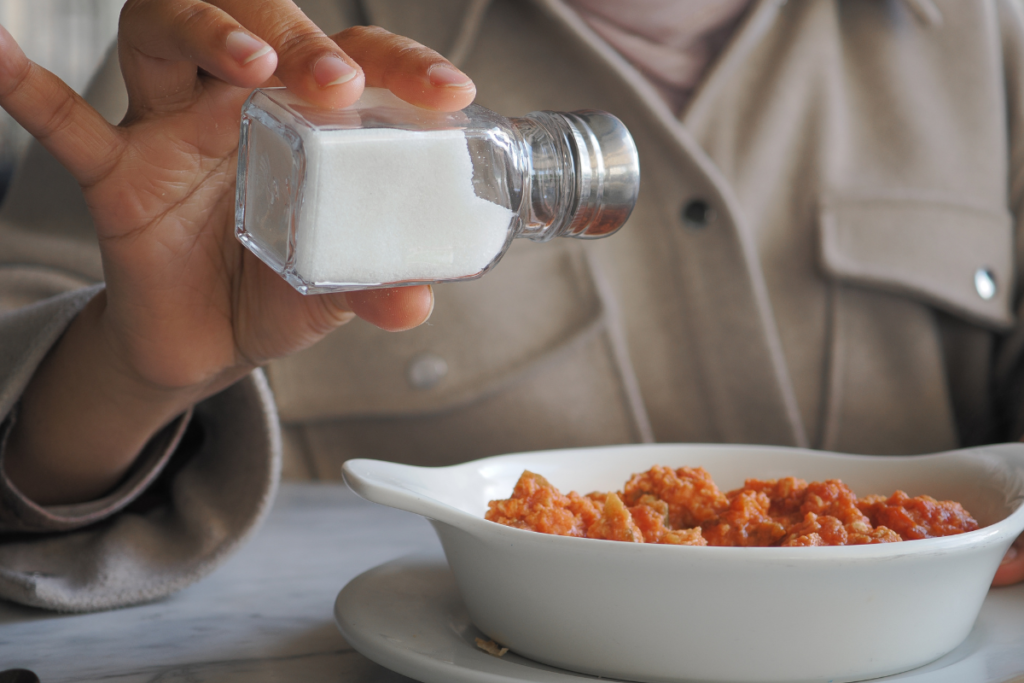
High sodium intake matters because excessive sodium can contribute to elevated blood pressure.
HealthHub recommends reducing sodium intake and choosing lower-sodium products when possible.
Sugary drinks and foods with large amounts of added sugar can add significant calories without providing the same fibre and fullness as whole foods.
Saturated fat also deserves attention. HealthHub explains that diets high in saturated fat can raise LDL cholesterol, which is associated with increased cardiovascular risk.
Not every ultra-processed product is automatically high in all three. Reading nutrition information helps you compare products rather than assuming they are nutritionally identical.
“Organic,” “natural,” “premium” or “plant-based” on the front of a package does not automatically mean a product is low in sugar, sodium or saturated fat. Check the nutritional information too.
What Research Suggests About Health
Research into ultra-processed foods has grown rapidly in recent years.
Observational studies have found associations between higher consumption of ultra-processed foods and several negative health outcomes.
The International Agency for Research on Cancer, part of WHO, has reported findings linking higher ultra-processed food consumption with an increased risk of cardiometabolic multimorbidity, including combinations of conditions such as cardiovascular disease and type 2 diabetes.
WHO has also begun developing dedicated guidance on the consumption of ultra-processed foods as the evidence base continues to evolve.
It is important to understand what an association means. These studies can show that people consuming larger amounts of UPFs tend to experience certain outcomes more often, but individual products and individual diets vary considerably.
Researchers are continuing to investigate whether the health effects relate mainly to the nutritional composition of these foods, displacement of healthier foods, processing itself or a combination of factors.
The evidence does not require you to fear every packaged food. A practical response is to make minimally processed, nutrient-rich foods the foundation of your normal eating pattern.
How to Make Better Packaged Food Choices
Packaged foods can still fit into a healthy diet, particularly when convenience matters.
Start by comparing similar products rather than trying to memorise every ingredient found in the supermarket.
Look at sodium, sugar and saturated fat where relevant, and consider whether the food provides useful nutrients such as fibre or protein.
In Singapore, the Healthier Choice Symbol can help identify products that meet specific nutritional criteria within their food category.
For example, a product marked lower in sodium contains less sodium than comparable products in the same category.
Portion size matters as well. Nutrition information may be provided per serving, so check whether the serving size reflects the amount you actually eat.
When comparing two similar products, you do not need to analyse every number. Start with the nutrients most relevant to that food — for example sodium in instant meals or sugar in drinks.
Practical Ways to Eat Less Ultra-Processed Food
Reducing ultra-processed foods does not require cooking every ingredient from scratch.
Start with substitutions that fit your lifestyle.
Choose plain water more often instead of sweetened drinks. Keep fruit available for quick snacks. Add frozen vegetables to noodles, rice or soups to increase the nutritional value of convenient meals.
Use canned beans, eggs, tofu, fish or other practical protein options instead of relying entirely on processed meats.
Singapore HealthHub encourages choosing fresh over processed meat and eating a mixture of animal and plant protein sources.
If you regularly eat processed meat such as sausages, luncheon meat or nuggets, consider making them occasional foods rather than your default protein source.
Small substitutions repeated frequently can change overall diet quality much more than an occasional “perfect” meal.
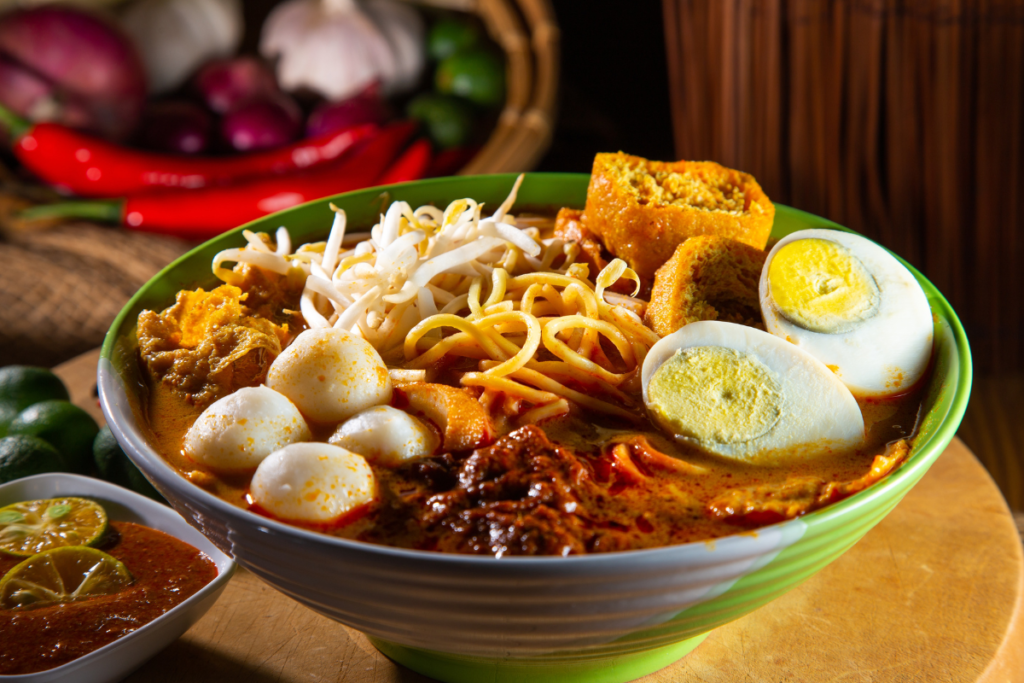
Keep the convenience — improve the meal. Instant noodles plus vegetables, egg and tofu is nutritionally different from eating the noodles alone.
Does This Mean You Must Stop Eating Snacks?
No. Healthy eating does not require removing every chip, biscuit, dessert or convenience food forever.
Food also has social, cultural and enjoyable roles.
The bigger concern is frequency and proportion. A snack eaten occasionally has a different nutritional impact from a diet where highly processed snacks and drinks make up a large part of everyday intake.
Instead of creating a long list of forbidden foods, focus on what you eat most often.
Are All Processed Meats Ultra-Processed?
Food-processing classifications and nutritional categories are not always identical.
Processed meat is important to limit regardless of whether every individual product is classified in exactly the same processing category.
HealthHub advises limiting processed meats such as luncheon meat, ham, sausages and nuggets because they can contain substantial sodium and saturated fat.
Choosing fresh fish, chicken, lean meat, eggs, tofu, beans and legumes more often can provide greater variety in your protein intake.
Aim for Balance, Not Perfection
Nutrition advice becomes difficult to follow when every food is divided into “good” and “bad.”
A healthier approach is to look at your overall pattern.
Singapore's My Healthy Plate encourages filling half the plate with fruit and vegetables, one quarter with whole grains and one quarter with good sources of protein.
This framework naturally leaves more space for nutrient-rich foods without requiring you to calculate exactly how processed every item is.
Convenience foods can still be part of your routine. The goal is simply to make sure they complement rather than dominate your diet.
If most of your meals contain vegetables or fruit, an appropriate carbohydrate source and a good source of protein, you are already focusing on the bigger nutritional picture.
Key Takeaways
- Ultra-processed foods are industrially formulated products that often contain refined ingredients and additives.
- Food processing itself is not automatically unhealthy.
- Frozen vegetables, plain yoghurt, canned beans and other processed foods can still be nutritious.
- The biggest concern is when ultra-processed foods regularly replace vegetables, fruit, whole grains and other nutrient-rich foods.
- Some highly processed foods can contain substantial sodium, added sugar or saturated fat.
- Higher ultra-processed food consumption has been associated with several adverse health outcomes, although research continues to develop.
- Reading nutrition information can help you compare similar packaged foods.
- You do not need to eliminate every convenience food to improve your diet.
- Small, realistic substitutions can improve diet quality over time.
- A balanced overall eating pattern matters more than trying to eat perfectly.
Sources & References
- Health Promotion Board, Singapore — HealthHub. Nutritious Foods for a Healthy Diet. HealthHub Singapore
- Health Promotion Board, Singapore — HealthHub. Reduce Your Salt and Sugar Intake. HealthHub Singapore
- Health Promotion Board, Singapore — HealthHub. Out With Extreme Diets; In With Balanced Food Choices. HealthHub Singapore
- Health Promotion Board, Singapore — HealthHub. Unlocking the Truth About Fats: How to Choose the Right Ones. HealthHub Singapore
- International Agency for Research on Cancer, World Health Organization. Ultra-Processed Foods and Risk of Cancer and Cardiometabolic Multimorbidity. IARC / WHO
- World Health Organization. WHO Guideline Development on Consumption of Ultra-Processed Foods. World Health Organization
About KnowvaLife
KnowvaLife creates practical health and wellness content designed to make everyday health information easier to understand. Our content is educational and does not replace personalised advice from qualified healthcare professionals.