
Pelvic Floor Health: Why It Matters for Women
Your pelvic floor supports important organs and plays a role in bladder and bowel control. Pregnancy, childbirth, ageing and other factors can affect these muscles, but pelvic floor problems should not simply be accepted as a normal part of life.
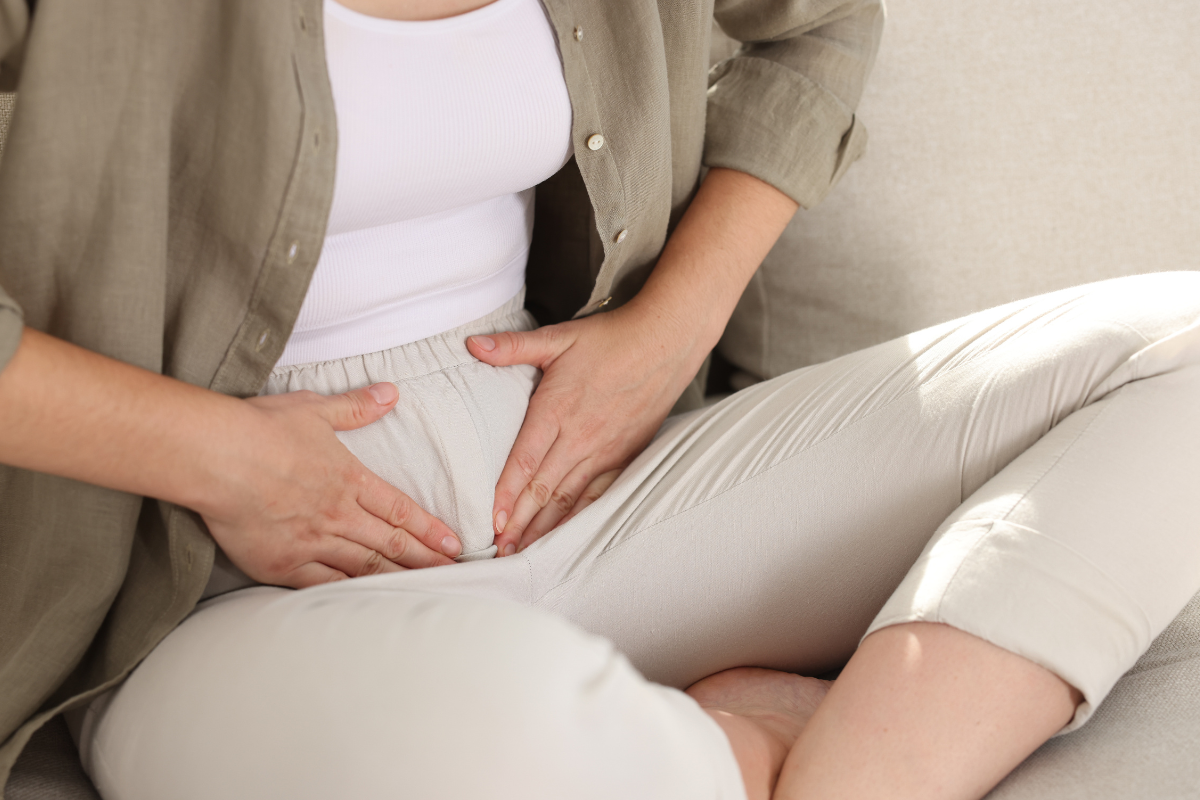
This article provides general educational information and is not a substitute for medical diagnosis or personalised treatment. Speak with a qualified healthcare professional if you experience persistent urinary leakage, pelvic pressure, pain or other pelvic floor symptoms.
In This Article
Introduction
The pelvic floor is easy to overlook because you cannot see it, yet it performs several important functions every day.
These muscles help support organs in the pelvis and contribute to bladder and bowel control. They also play a role in sexual function.
Changes to the pelvic floor can happen at different stages of life. Pregnancy and childbirth are well-known influences, but ageing, menopause, chronic constipation, excess body weight and repeated straining may also contribute.
Problems such as urinary leakage are common, but common does not mean they should automatically be accepted or ignored.
What Is the Pelvic Floor?
The pelvic floor is a group of muscles and supporting tissues located at the base of the pelvis.
You can think of it as a supportive muscular layer that helps hold pelvic organs in position. In women, these include the bladder, uterus and bowel.
The muscles also help control the openings involved in urination and bowel movements.
A healthy pelvic floor needs enough strength to provide support, while also being able to relax appropriately when necessary.
Pelvic floor health is not only about having “strong” muscles. Good function also involves coordination and the ability to relax the muscles appropriately.
Why Pelvic Floor Health Matters
Pelvic floor muscles help maintain bladder and bowel control during everyday activities.
They are particularly important when pressure inside the abdomen suddenly increases, such as during coughing, sneezing, laughing or physical activity.
If the pelvic floor does not provide enough support, urine may leak during these activities. This is commonly known as stress urinary incontinence.
Pelvic floor problems may also contribute to a sensation of heaviness or pressure in the pelvic area when pelvic organs are not adequately supported.
Because these symptoms can affect exercise, work, social activities and confidence, pelvic floor health can influence quality of life as well as physical health.
What Can Weaken the Pelvic Floor?
Pregnancy places additional pressure on the pelvic floor as the baby grows.
Childbirth, particularly vaginal delivery, can stretch pelvic floor muscles and supporting tissues.
Ageing and hormonal changes around menopause may also affect pelvic tissues.
Repeated straining from constipation can place additional pressure on the pelvic floor. Chronic coughing and regularly lifting heavy loads may have a similar effect.
Being overweight may increase pressure on pelvic structures as well.
Looking after bowel health can also support pelvic floor health. Adequate fibre, fluids and regular movement can help reduce constipation and repeated straining.
Signs of Pelvic Floor Problems
Urinary leakage is one of the most recognisable symptoms.
Some women leak urine when they cough, sneeze, laugh, run, jump or exercise.
Others may experience a sudden strong urge to urinate or difficulty reaching the toilet in time.
Pelvic organ prolapse can cause a feeling of heaviness, pressure or a bulge in the vagina.
Bowel-control problems, difficulty emptying the bowel or pelvic discomfort may also be associated with pelvic floor dysfunction.
Symptoms vary, so persistent problems deserve individual assessment rather than self-diagnosis.
Urinary leakage may be common after pregnancy or as women get older, but it should not automatically be considered something you simply have to live with. Treatment and rehabilitation options are available.
Pregnancy and Childbirth
Pregnancy gradually increases the load placed on pelvic floor muscles.
Hormonal and physical changes during pregnancy can also influence the tissues supporting the pelvis.
During vaginal birth, pelvic floor muscles stretch significantly to allow the baby to pass through the birth canal.
Recovery differs between women. Some may experience temporary weakness or urinary leakage that improves as the body heals, while others may need additional support or physiotherapy.
Women who experience persistent symptoms after childbirth should mention them during postnatal healthcare appointments.
Pelvic Floor Exercises
Pelvic floor muscle exercises are commonly recommended to improve strength and control.
The exercise involves identifying and contracting the muscles used to control urine and bowel movements, holding the contraction appropriately and then fully relaxing the muscles.
Technique matters. Repeatedly stopping urine flow while actually urinating is not recommended as a regular exercise method.
Exercises generally need to be performed consistently over time before improvement is noticed.
If you are unsure whether you are activating the correct muscles, a healthcare professional or physiotherapist trained in pelvic floor rehabilitation can provide guidance.
Quality matters more than simply doing a large number of repetitions. If you cannot tell whether you are contracting the correct muscles, seek professional guidance before building a routine.
Everyday Habits That May Help
Pelvic floor exercises are only one part of looking after pelvic health.
Avoiding chronic constipation may reduce repeated straining. A balanced diet containing fibre, adequate fluid intake and regular physical activity can support healthy bowel habits.
Maintaining a healthy body weight may reduce unnecessary pressure on the pelvic floor.
If you have a persistent cough, addressing its underlying cause may also help reduce repeated downward pressure on pelvic structures.
When lifting objects, good technique and appropriate breathing may help you avoid unnecessary straining.
The most appropriate strategy depends on your symptoms and overall health.
What About Exercise?
Having pelvic floor symptoms does not necessarily mean you need to stop exercising.
Physical activity remains important for overall health, but some high-impact movements may worsen leakage or pelvic pressure in certain women.
If running, jumping or heavy lifting repeatedly triggers symptoms, consider discussing your exercise routine with a physiotherapist or healthcare professional.
The goal is often to improve pelvic floor function and adapt activity appropriately rather than avoiding movement altogether.
Pelvic Floor Health After Menopause
Pelvic floor health remains important well beyond the childbearing years.
Age-related changes and the hormonal transition around menopause can affect pelvic and urinary tissues.
Women may notice changes in bladder control or pelvic support as they get older.
These symptoms should still be discussed with a healthcare professional because age does not make persistent leakage or discomfort something that must simply be accepted.
When to Seek Medical Advice
Speak with a healthcare professional if urinary leakage is persistent, worsening or affecting your daily activities.
A feeling of pelvic heaviness, pressure or a vaginal bulge also deserves assessment.
Seek advice for persistent pelvic pain, difficulty controlling bowel movements or other changes that concern you.
Healthcare professionals can assess the type of pelvic floor problem and determine whether pelvic floor physiotherapy, lifestyle changes, medication or another treatment approach may be appropriate.
Pelvic floor symptoms can have different causes. Persistent urinary leakage, pelvic pressure, a vaginal bulge, bowel-control problems or pain should be properly assessed rather than treated through exercises alone without knowing the cause.
Key Takeaways
- The pelvic floor supports the bladder, uterus and bowel.
- It plays an important role in bladder and bowel control.
- Pregnancy, childbirth, ageing and repeated straining can affect pelvic floor function.
- Urinary leakage is common but should not automatically be accepted as normal.
- Pelvic floor exercises may improve strength and bladder control when performed correctly.
- Preventing constipation and maintaining healthy everyday habits may reduce unnecessary pelvic floor strain.
- Pelvic floor health remains important after menopause.
- Persistent leakage, pelvic pressure, pain or prolapse symptoms should be assessed by a healthcare professional.
Sources & References
- KK Women’s and Children’s Hospital. Urinary Incontinence. KKH
- SingHealth. Pelvic Floor Disorders and Women’s Health. SingHealth
- Health Promotion Board, Singapore — HealthHub. Women’s Health and Healthy Living Resources. HealthHub Singapore
- World Health Organization. Physical Activity and Women’s Health. World Health Organization
About KnowvaLife
KnowvaLife creates practical health and wellness content designed to make everyday health information easier to understand. Our content is educational and does not replace personalised advice from qualified healthcare professionals.