Singapore Haze Worsens: PSI Reaches Unhealthy Range in Parts of the Country
Smoke haze drifting from regional fires has affected Singapore’s air quality, with the 24-hour PSI reaching the Unhealthy range in some areas. Here is how to use the latest readings and protect your health.
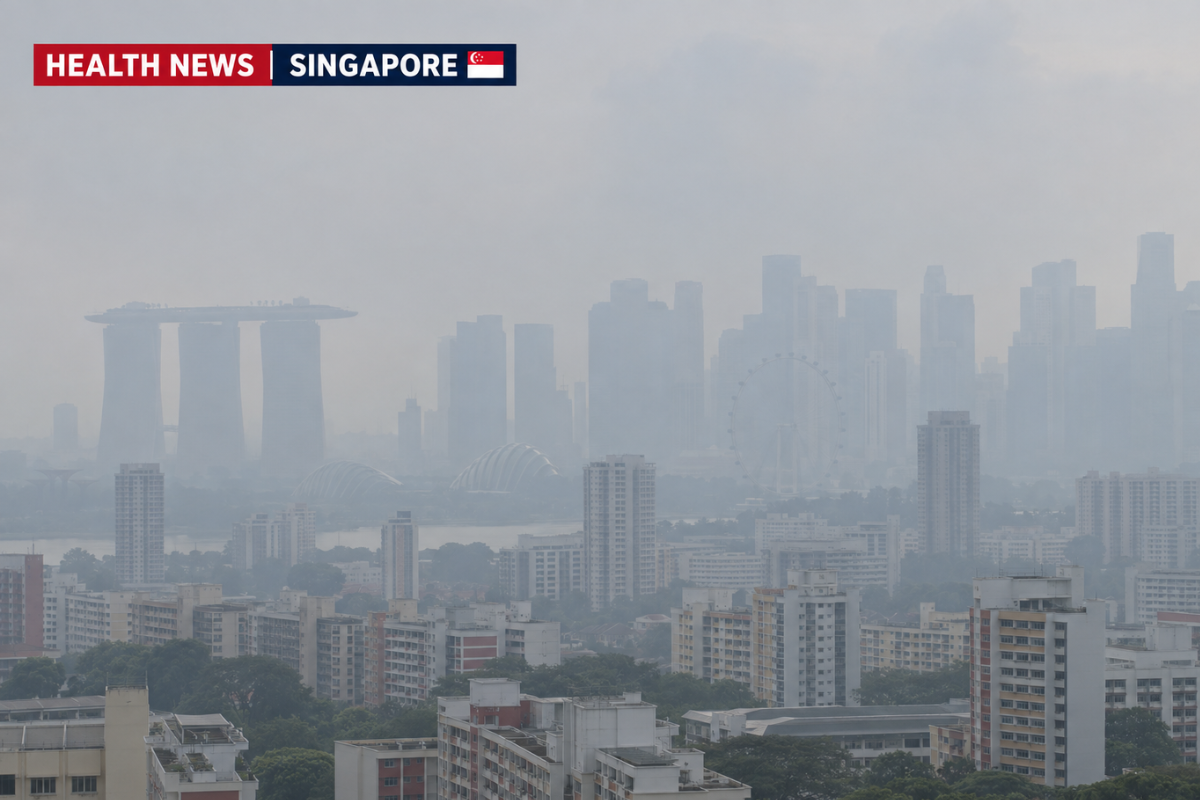
Illustrative image | AI-generated
This article provides general health information and does not replace medical advice. People with heart disease, asthma, chronic lung disease or other medical conditions should follow advice from their healthcare professional. Seek urgent care for severe breathing difficulty, chest pain, confusion or fainting.
HEALTH NEWS — Singapore’s air quality deteriorated on September 14 as smoke from fires in Kalimantan and southern Sumatra drifted towards the country.
According to the National Environment Agency’s 6pm update, Singapore’s 24-hour Pollutant Standards Index ranged from 88 to 117, placing air quality between the Moderate and Unhealthy ranges.
The 1-hour PM2.5 readings ranged from 56 to 115 micrograms per cubic metre, within Band 2 or the Elevated range.
The 24-hour PSI was 88–117, ranging from Moderate to Unhealthy. The 1-hour PM2.5 reading was 56–115 µg/m³, classified as Elevated. These readings can change during the day, so check the myENV app or haze.gov.sg before outdoor activity.
Where Is the Haze Coming From?
NEA said prevailing winds shifted to blow from the east-southeast, carrying moderate to dense smoke plumes from fires in Kalimantan towards Singapore.
Some smoke haze was also observed drifting from southern Sumatra.
Dry weather is expected across Singapore and the surrounding region in the coming days. With winds forecast to continue blowing from the southeast to east-southeast, Singapore will likely continue to be affected by smoke haze.
NEA forecasts Singapore’s 24-hour PSI to remain within the High Moderate to Mid Unhealthy range. Conditions may vary by location and change according to wind and rainfall.
What Is the Difference Between PSI and PM2.5?
The 24-hour PSI represents average air-pollution exposure over the previous 24 hours. It is useful when planning activities for the remainder of the day or the following day.
The 1-hour PM2.5 reading reflects more immediate changes in fine-particle pollution. NEA recommends using it when deciding whether to exercise or perform strenuous outdoor activity over the next hour.
Use this reading when planning longer-term or next-day outdoor activities.
Use this reading when deciding what to do outdoors during the next hour.
These fine particles can travel deeply into the lungs when inhaled.
Check haze.gov.sg or the myENV app because conditions can change quickly.
How Can Haze Affect Health?
Short-term exposure to haze can irritate the eyes, nose and throat. Some people may experience coughing, wheezing, headaches, tiredness or shortness of breath.
The health impact depends on the pollution level, the length of exposure, the intensity of physical activity and a person’s existing health conditions.
Strenuous exercise causes a person to breathe faster and more deeply, which may increase the amount of fine particles entering the lungs.
Who Should Take Extra Care?
People who may be more vulnerable include:
- Children
- Older adults
- Pregnant women
- People with asthma
- People with chronic lung disease
- People with heart disease
- People who work or exercise outdoors for long periods
People with chronic heart or lung disease should ensure that their regular medication is available and follow their doctor’s advice.
Should You Exercise Outdoors?
When the 1-hour PM2.5 reading is Elevated, healthy people should reduce strenuous outdoor activity for the next hour.
Children, older adults, pregnant women and people with chronic heart or lung disease should avoid strenuous outdoor activity while the reading remains Elevated.
When the 24-hour PSI is Unhealthy, healthy people should reduce prolonged or strenuous outdoor physical exertion.
Do not rely only on how the sky looks. Check the latest 1-hour PM2.5 reading before running, cycling, playing outdoor sports or performing strenuous outdoor work.
Does a Surgical Mask Protect Against Haze?
An ordinary surgical mask is mainly designed to block droplets and does not reliably filter the fine particles associated with haze.
A properly fitted N95 mask provides better protection against fine airborne particles. However, it must seal correctly around the face.
N95 masks may not be suitable for young children or people with certain breathing and heart conditions. Anyone who feels dizzy or has difficulty breathing while wearing one should move to cleaner air and seek medical advice if symptoms persist.
How Can You Reduce Haze Exposure?
- Check the latest PSI and 1-hour PM2.5 readings.
- Reduce strenuous outdoor activity when readings are elevated.
- Keep windows and doors closed when outdoor haze is heavy.
- Use air-conditioning in recirculation mode where appropriate.
- Use a suitable air purifier if available.
- Drink enough water, especially in warm weather.
- Keep prescribed asthma or heart medication accessible.
- Avoid smoking and second-hand smoke.
The most effective first step is reducing exposure. Staying indoors during elevated periods and avoiding strenuous outdoor exercise may be more helpful than relying only on a mask.
When Should You Seek Medical Care?
Mild eye, nose or throat irritation may improve after moving indoors or away from polluted air.
Seek medical advice if you experience:
- Persistent or worsening cough
- Wheezing or shortness of breath
- Asthma symptoms not relieved by usual medication
- Unusual tiredness, dizziness or weakness
- Symptoms that continue after reducing haze exposure
Severe breathing difficulty, chest pain, confusion, blue lips, fainting or collapse require urgent medical attention. In Singapore, call 995 for an emergency.
Key Takeaways
- At 6pm on September 14, Singapore’s 24-hour PSI ranged from 88 to 117.
- The 1-hour PM2.5 reading ranged from 56 to 115 µg/m³ and was Elevated.
- Smoke from fires in Kalimantan and southern Sumatra was drifting towards Singapore.
- Use the 1-hour PM2.5 reading for immediate outdoor-activity decisions.
- Use the 24-hour PSI when planning longer-term or next-day activities.
- Children, older adults, pregnant women and people with heart or lung disease should take extra care.
- Avoid strenuous outdoor activity when PM2.5 is Elevated.
- Check haze.gov.sg or the myENV app because readings can change.
- Seek urgent help for serious breathing problems, chest pain or fainting.
Sources & References
- National Environment Agency. Haze Situation Update — 14 September 2026. Read the official update
- National Environment Agency. Latest Singapore air-quality readings. Haze.gov.sg
- National Environment Agency. Health advisory and activity guidelines during haze. NEA air-quality guidance
About KnowvaLife
KnowvaLife explains health news and everyday health topics in simple, easy-to-understand language. We use reliable health sources to help readers understand important developments and make more informed health decisions.