Stroke Warning Signs: How to Recognise an Emergency Quickly
A stroke can happen suddenly, and recognising the warning signs quickly matters. Facial drooping, arm weakness and speech difficulty are among the key symptoms everyone should know.
This article is for general educational purposes only and does not replace professional medical advice, diagnosis or treatment. Stroke is a medical emergency. If you or someone around you develops possible stroke symptoms, seek emergency medical care immediately.
In This Article
Introduction
Imagine someone suddenly smiles and one side of their face appears uneven. A few moments later, they struggle to lift one arm or their speech sounds slurred.
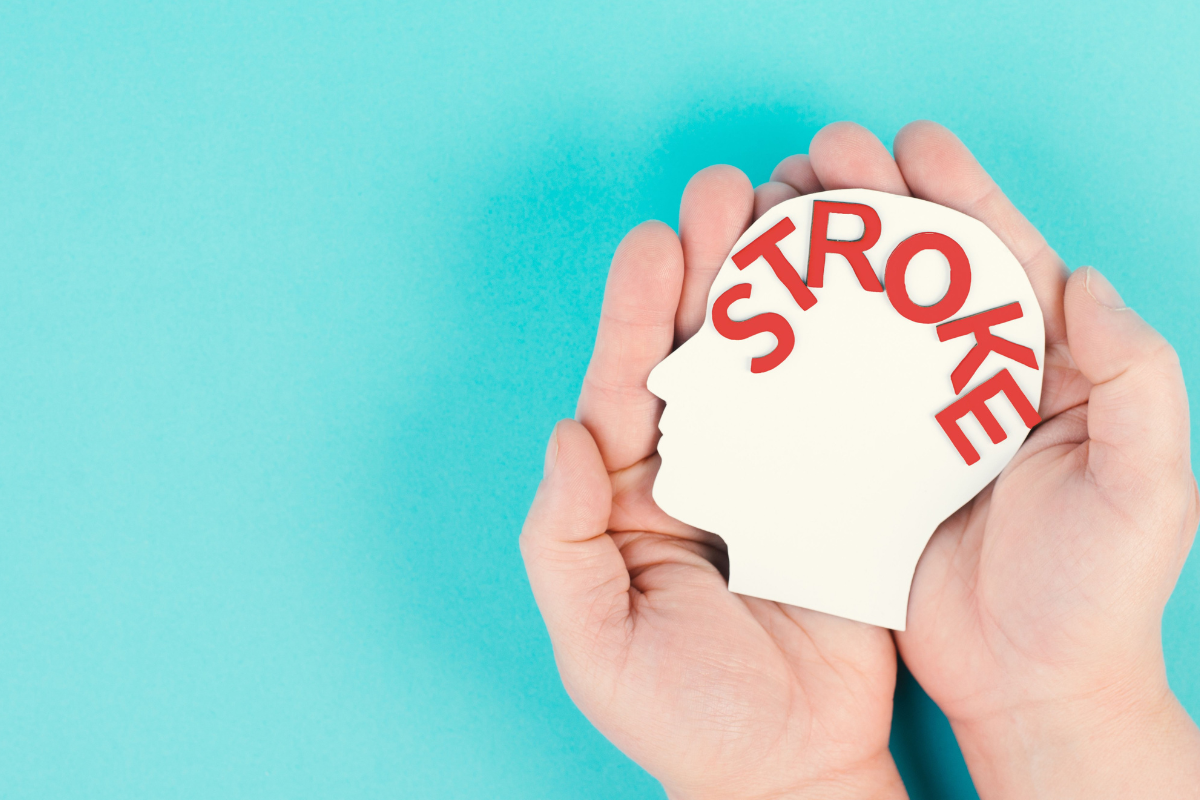
These changes should never be ignored. They may be warning signs of a stroke — a medical emergency involving an interruption of blood flow to the brain or bleeding within the brain.
Brain cells depend on a continuous supply of oxygen and nutrients. When that supply is interrupted, brain tissue can become damaged. The faster a person receives appropriate medical assessment and treatment, the better the opportunity may be to limit damage and improve recovery.
What Happens During a Stroke?
A stroke occurs when the blood supply to part of the brain is interrupted. SingHealth describes stroke as a “brain attack” because brain cells begin losing their normal function when their blood supply is affected.
There are two major types of stroke.
An ischaemic stroke occurs when a blood vessel supplying the brain becomes blocked, usually by a clot. This reduces or stops blood flow to part of the brain.
A haemorrhagic stroke occurs when a blood vessel ruptures and bleeding occurs in or around the brain.
Although the mechanisms are different, both types can damage brain tissue and require urgent medical treatment.
Do not try to determine which type of stroke someone is experiencing yourself. Both require urgent hospital assessment.
Remember FAST
One of the easiest ways to remember several major stroke warning signs is FAST.
F — Face: Ask the person to smile. Look for facial drooping or an uneven smile, particularly on one side.
A — Arms: Ask the person to raise both arms. One arm may feel weak, drift downward or be difficult to lift.
S — Speech: Ask the person to repeat a simple sentence. Their speech may sound slurred, unusual or difficult to understand.
T — Time: If any of these signs suddenly appear, it is time to seek emergency medical help immediately.
SingHealth emphasises that stroke treatment is time-sensitive and that some beneficial treatments can only be given within the first few hours after symptoms begin.
Even one sudden FAST symptom can be enough to suspect a stroke. Do not wait for several symptoms to appear before seeking emergency medical attention.
Other Stroke Warning Signs
FAST captures several of the most recognisable signs, but a stroke can cause other sudden neurological symptoms.
WHO lists sudden numbness or weakness of the face, arm or leg, particularly on one side of the body, as possible stroke symptoms.
A person may suddenly become confused or have difficulty understanding what others are saying.
Vision may change suddenly. This can include loss of vision or difficulty seeing with one or both eyes.
Some people experience sudden dizziness, difficulty walking, loss of balance or poor coordination.
A sudden severe headache without a known cause can also be a warning sign, particularly when it occurs with other neurological symptoms.
Loss of consciousness can occur in severe cases.
Think “sudden change.” A sudden loss of strength, speech, vision, balance or coordination deserves urgent attention.
Why Stroke Symptoms Are Often Sudden
The brain controls different functions through different regions. When blood flow to a particular area is interrupted, the functions controlled by that area can suddenly become impaired.
This is why stroke symptoms may affect speech in one person but movement or vision in another.
Symptoms also commonly affect one side of the body because each side of the brain controls many functions on the opposite side.
SingHealth guidance notes that symptoms usually occur suddenly and may worsen over minutes or hours. A stroke can also occur during sleep, with symptoms only becoming apparent when the person wakes.
Waking up with weakness, facial drooping, speech difficulty or another new neurological symptom should still be treated seriously even if you do not know exactly when it started.
What Is a TIA?
A transient ischaemic attack, or TIA, happens when blood flow to part of the brain is temporarily interrupted.
The symptoms can resemble those of a stroke — such as facial weakness, arm weakness or speech difficulty — but may disappear after a short period.
The fact that symptoms improve does not mean they should be ignored. A TIA can be an important warning that a person is at risk of a future stroke.
Someone experiencing sudden stroke-like symptoms should therefore seek urgent medical assessment even if those symptoms begin improving.
Do not assume everything is fine because weakness or speech difficulty has gone away. Temporary stroke-like symptoms still require urgent medical assessment.
What Should You Do If You Suspect a Stroke?
The most important action is to seek emergency medical help immediately.
Do not wait to see whether the person feels better. Do not ask them to sleep it off, continue working or finish what they are doing first.
In Singapore, SingHealth's stroke guidance advises calling 995 and getting the person to hospital immediately when stroke signs are recognised.
Try to remember when the symptoms were first noticed or when the person was last known to be well. Healthcare teams may need this information when determining treatment options.
Avoid giving food or drinks to someone with suspected stroke because swallowing may be impaired.
Stroke is time-sensitive. Call emergency medical services promptly rather than attempting to monitor symptoms at home.
Who Is More at Risk?
Stroke can affect different people, but certain health and lifestyle factors increase risk.
High blood pressure is particularly important. WHO identifies hypertension as the leading modifiable contributor to stroke.
Other modifiable risk factors include tobacco use, high cholesterol, diabetes, excess body weight, physical inactivity, unhealthy diets — particularly diets high in sodium and low in fruit and vegetables — and harmful alcohol use.
Certain heart conditions can also increase stroke risk. Atrial fibrillation, for example, can increase the likelihood of blood clots forming and travelling to the brain.
Age and a previous stroke are among risk factors that cannot be changed, making management of modifiable risks even more important.
Knowing your blood pressure is one of the simplest steps you can take toward understanding your stroke risk. High blood pressure often causes no obvious symptoms.
Reducing Your Stroke Risk
Not every stroke can be prevented, but many important risk factors can be reduced or medically managed.
Keeping blood pressure under appropriate control is particularly important. If you have hypertension, take prescribed medication as directed and attend recommended follow-up appointments.
Managing diabetes and high cholesterol can also contribute to cardiovascular risk reduction.
Avoiding tobacco, staying physically active and maintaining a balanced eating pattern are important parts of long-term prevention.
Reducing excessive sodium intake can support blood-pressure management, while eating more vegetables, fruit and other nutrient-rich foods contributes to an overall healthier dietary pattern.
If you have atrial fibrillation or another heart condition associated with stroke risk, follow your healthcare professional's treatment recommendations carefully.
Stroke prevention is not one single action. Blood pressure, cholesterol, diabetes, smoking, physical activity and diet all form part of the bigger picture.
Why You Should Not Wait for Pain
Unlike a heart attack, stroke does not necessarily cause pain. A person may experience weakness, numbness, speech problems or visual changes without feeling physically hurt.
This can make stroke symptoms easier to underestimate. Someone may believe they are simply tired or dizzy and decide to rest.
The absence of pain does not make sudden neurological symptoms less serious. Changes in facial movement, arm strength, speech, vision, balance or consciousness should be treated as possible warning signs.
Can Younger Adults Have a Stroke?
Stroke risk generally increases with age, but stroke is not exclusively a condition of older adults.
Younger people can also experience stroke, particularly when certain medical conditions or cardiovascular risk factors are present.
This is another reason FAST should be applied based on symptoms rather than assumptions about someone's age or appearance.
What Happens at the Hospital?
When stroke is suspected, healthcare professionals need to determine whether a stroke has occurred and what type it is.
Assessment may include neurological examination and brain imaging. Identifying whether the stroke is caused by a blocked blood vessel or bleeding is essential because treatment differs between the two.
For eligible patients with an ischaemic stroke, time-sensitive treatments may be used to restore blood flow. The suitability of treatment depends on factors such as the type of stroke, timing, imaging findings and the person's medical condition.
This is why reaching hospital quickly matters — the earlier the medical team can assess the situation, the sooner appropriate treatment decisions can be made.
Key Takeaways
- A stroke occurs when blood flow to part of the brain is interrupted or when bleeding occurs in the brain.
- Remember FAST: Face drooping, Arm weakness, Speech difficulty and Time to seek emergency help.
- Other signs can include sudden vision changes, numbness, confusion, dizziness, loss of balance or severe unexplained headache.
- Stroke symptoms often appear suddenly.
- Stroke-like symptoms that disappear may represent a TIA and still require urgent medical assessment.
- Do not wait to see whether suspected stroke symptoms improve.
- High blood pressure is one of the most important modifiable stroke risk factors.
- Managing blood pressure, cholesterol, diabetes and other cardiovascular risks can help reduce stroke risk.
Sources & References
- SingHealth. Common Health Conditions – Stroke. SingHealth
- SingHealth. Family Physicians' Quick Guide to Care – Stroke. SingHealth
- SingHealth. How to Identify Symptoms of Stroke – FAST. SingHealth
- World Health Organization. Stroke – Fact Sheet. World Health Organization
- World Health Organization. Cardiovascular Diseases. World Health Organization
About KnowvaLife
KnowvaLife creates practical health and wellness content designed to make everyday health information easier to understand. Our content is educational and does not replace personalised advice from qualified healthcare professionals.