Why Drinking Water Is Essential for You
Water supports essential functions throughout the body, from temperature regulation and digestion to normal circulation and physical performance. Staying adequately hydrated is a simple everyday habit, but your needs can change with activity, climate, health and other factors.
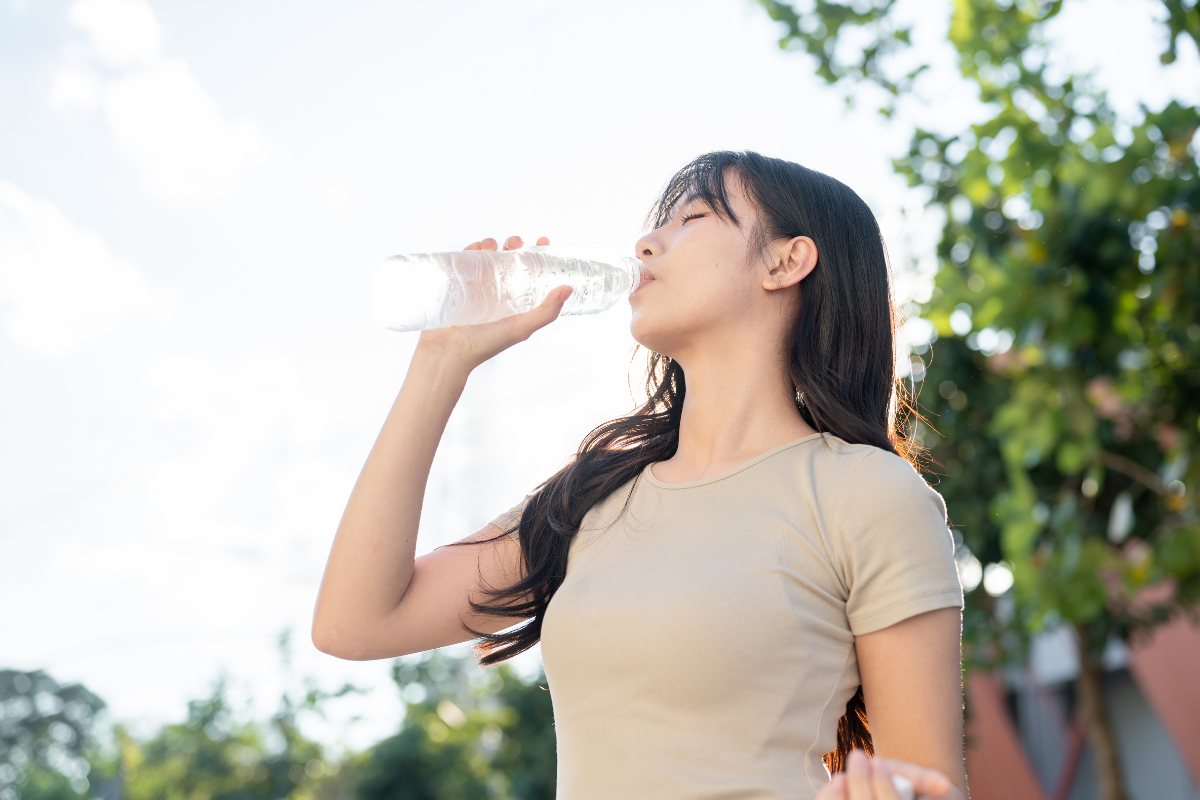
This article provides general hydration information for educational purposes only and does not replace personalised medical advice. Fluid needs can differ according to age, climate, pregnancy, physical activity, medications and health conditions. People with certain heart, kidney or other medical conditions may need individual fluid guidance.
In This Article
Introduction
Water is essential to life and is involved in many of the body's normal processes. You lose water throughout the day through urine, breathing, sweat and bowel movements, so those losses need to be replaced through drinks and food.
Hydration advice is sometimes reduced to a single number of glasses per day. In reality, there is no one amount that is perfect for everyone. Fluid needs can change according to body size, age, physical activity, weather, pregnancy, diet and health status.
A more practical goal is to make safe drinking water readily available, drink regularly according to your needs and pay additional attention when conditions increase fluid loss. Water-rich foods and other beverages also contribute to total fluid intake.
Water Helps Your Body Function Normally
Water is present throughout the body and supports normal physiological functions. It contributes to the transport of substances, helps the body regulate temperature and is involved in digestion and waste removal.
Because water is constantly being lost and replaced, hydration is not something you complete once in the morning. It is an ongoing part of everyday health. The amount you need at a particular time can also change depending on how active you are and how much you are sweating.
Access to safe drinking water matters as much as quantity. The World Health Organization emphasises that safe and sufficient drinking water is fundamental to public health and helps reduce the risk of waterborne disease.
Keep drinking water somewhere easy to reach during work or study. Making water convenient can be more effective than relying on yourself to remember later.
Hydration Supports Physical Activity
Exercise and warm environments increase sweat losses. When you lose more fluid than you replace, dehydration can develop. This can make physical activity feel more difficult and may affect your ability to perform at your usual level.
Pay attention to hydration before, during and after activity, particularly when you exercise for longer periods or in hot and humid conditions. Water is suitable for many everyday activities, while longer or unusually strenuous exercise may require more individual consideration.
You do not need to force excessive amounts of fluid before every workout. Instead, begin activity reasonably hydrated and replace fluids according to your losses, thirst and any individual guidance you have been given.
Very high fluid intake can also be harmful in some circumstances. More water is not automatically better. Avoid forcing large amounts beyond your needs, especially during prolonged endurance activity.
Your Fluid Needs Are Not Fixed
People often ask exactly how much water they should drink each day. A fixed target can be convenient, but it may not reflect individual needs. Someone working outdoors in hot weather may need more fluid than someone spending the day in a cool indoor environment.
Physical activity, fever, vomiting, diarrhoea and other illnesses can also increase fluid losses. Pregnancy and breastfeeding can affect fluid requirements as well. Certain medications and medical conditions may change how the body handles fluids.
This is why it is better to think about hydration as responsive rather than rigid. Drink regularly, pay attention to thirst and recognise situations in which you may need additional fluids.
If you are spending more time outdoors, exercising or sweating heavily, bring water with you instead of waiting until you return home.
Learn to Recognise Dehydration
Dehydration happens when the body loses more fluid than it takes in. Thirst is one useful signal, but other signs can include a dry mouth, darker urine, urinating less often, tiredness, dizziness or feeling light-headed.
Older adults, young children and people who are unwell may be more vulnerable to dehydration. Vomiting, diarrhoea, fever and heavy sweating can increase the risk because fluid losses can occur quickly.
Severe dehydration requires medical attention. If someone becomes confused, unusually drowsy, has persistent dizziness, very little urine or is unable to keep fluids down, appropriate healthcare assessment may be needed.
Do not rely on urine colour alone to diagnose dehydration. Diet, supplements, medicines and health conditions can also affect urine colour.
Water Is a Practical Everyday Drink
Water is a useful default drink because it hydrates without adding sugar or calories. WHO has highlighted drinking water as a healthier choice compared with sugar-sweetened beverages.
This does not mean every other drink must be eliminated. Milk, unsweetened tea and other beverages can contribute to fluid intake. What matters is considering both hydration and what else the drink provides, such as added sugar or caffeine.
If you frequently drink sweetened beverages, replacing even some of them with water can reduce added sugar intake without requiring a complicated diet change.
If plain water feels boring, try serving it chilled or adding slices of lemon, lime, cucumber or other fresh ingredients for flavour without relying on added sugar.
Food Also Contributes to Hydration
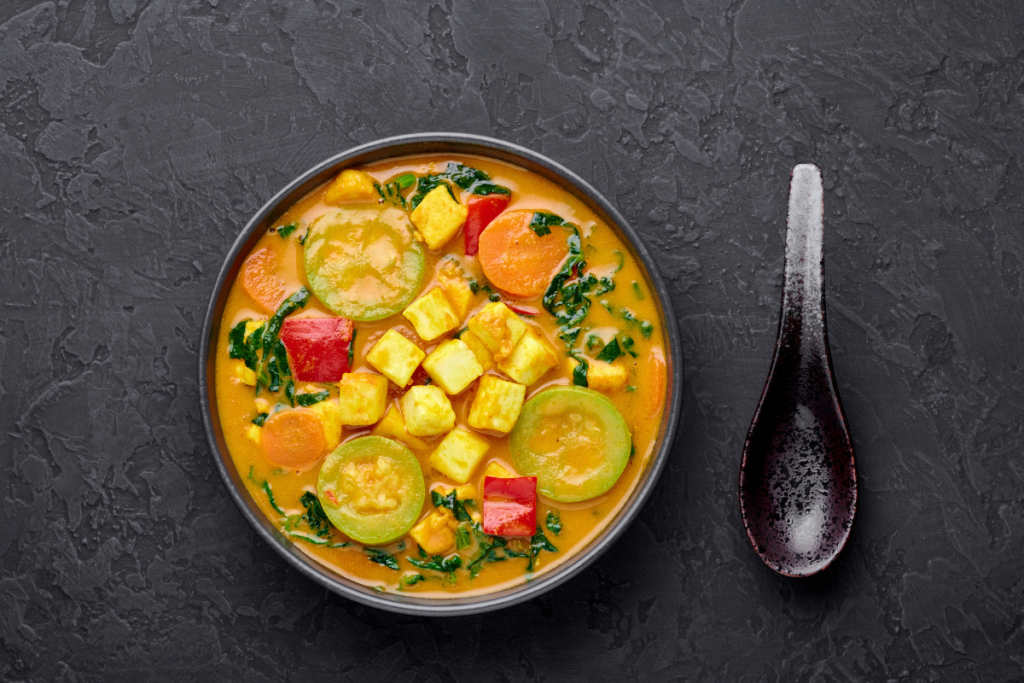
You do not get all of your water from drinks. Many foods naturally contain water and contribute to your total daily fluid intake. Fruit, vegetables, soups, yoghurt and other foods can all provide fluid.
This is another reason not to judge hydration only by the number of bottles of water you drink. Your overall diet contributes as well. Someone eating plenty of water-rich foods may get more fluid from meals than someone eating mostly dry foods.
A varied diet with vegetables and fruit therefore supports hydration as well as providing fibre, vitamins and minerals.
Build Simple Hydration Habits
The easiest hydration habits are usually connected to routines you already have. Drink some water with meals, keep a bottle or cup nearby during work and take water with you when you expect to be outside for a long time.
Do not wait until the end of the day and then try to drink a very large amount all at once. Spreading fluid intake across the day is generally more comfortable and practical.
During particularly hot weather, travel, illness or heavy exercise, check in with yourself more often. You may need more fluid than on an ordinary day.
Most importantly, remember that hydration is personal. A reasonable routine should fit your lifestyle and health needs rather than being based on a social-media challenge or an arbitrary number.
Can You Drink Too Much Water?
Yes. Although inadequate fluid intake receives more attention, excessive water intake can also be dangerous because it can disturb the balance of sodium in the blood. This is uncommon in ordinary everyday drinking but can occur when very large amounts are consumed over a short period.
People with some kidney, heart or endocrine conditions may also need specific fluid limits or targets. If you have been advised to restrict fluids, general hydration advice does not override your individual medical plan.
The aim is appropriate hydration — not maximum hydration.
A Practical Way to Think About Hydration
Instead of chasing a perfect number, ask a few simple questions. Do you have regular access to safe drinking water? Are you drinking throughout the day? Are you exercising, sweating heavily or spending time in hot weather? Are you unwell or taking medication that affects fluid balance?
These questions help you adjust to your actual circumstances. On a cool, quiet day your fluid needs may be lower. On a hot day with prolonged activity, your needs may rise.
Healthy hydration is therefore less about following one universal rule and more about maintaining a regular, responsive habit.
Key Takeaways
- Water is essential for normal body functions and must be replaced as it is lost throughout the day.
- Fluid needs vary according to activity, weather, age, health and other individual factors.
- Exercise, hot weather, fever, vomiting and diarrhoea can increase fluid losses.
- Signs of dehydration can include thirst, dry mouth, darker urine, tiredness and dizziness.
- Water is a practical everyday drink because it hydrates without added sugar.
- Fruit, vegetables, soups and other foods also contribute to total fluid intake.
- Excessive water intake can be harmful, so the goal is appropriate hydration rather than drinking as much as possible.
- People with certain medical conditions should follow personalised fluid advice from their healthcare team.
Sources & References
About KnowvaLife
KnowvaLife creates practical health and wellness content designed to make everyday health information easier to understand. Our content is educational and does not replace personalised advice from qualified healthcare professionals.