Knee Pain: Common Causes and When You Should Seek Help
Knee pain can develop after an injury, repeated activity or gradual changes within the joint. Some cases improve with sensible self-care, while severe pain, swelling, instability or difficulty bearing weight can signal a problem that needs medical assessment.
This article provides general educational information and does not replace personalised medical advice, diagnosis or treatment. Severe knee injuries, sudden swelling, inability to bear weight or a hot swollen joint should be professionally assessed.
In This Article
Introduction
Knees are involved in almost every movement that requires you to stand, walk, climb stairs, squat or change direction.
Because the knee carries body weight while also allowing considerable movement, many different tissues can become irritated or injured.
Knee pain is therefore not one single condition.
It may come from muscles, tendons, ligaments, cartilage, bone or structures inside and around the joint.
The pattern of pain, how it began and whether there is swelling, instability or loss of movement can provide clues about the possible cause.
Why the Knee Is Vulnerable
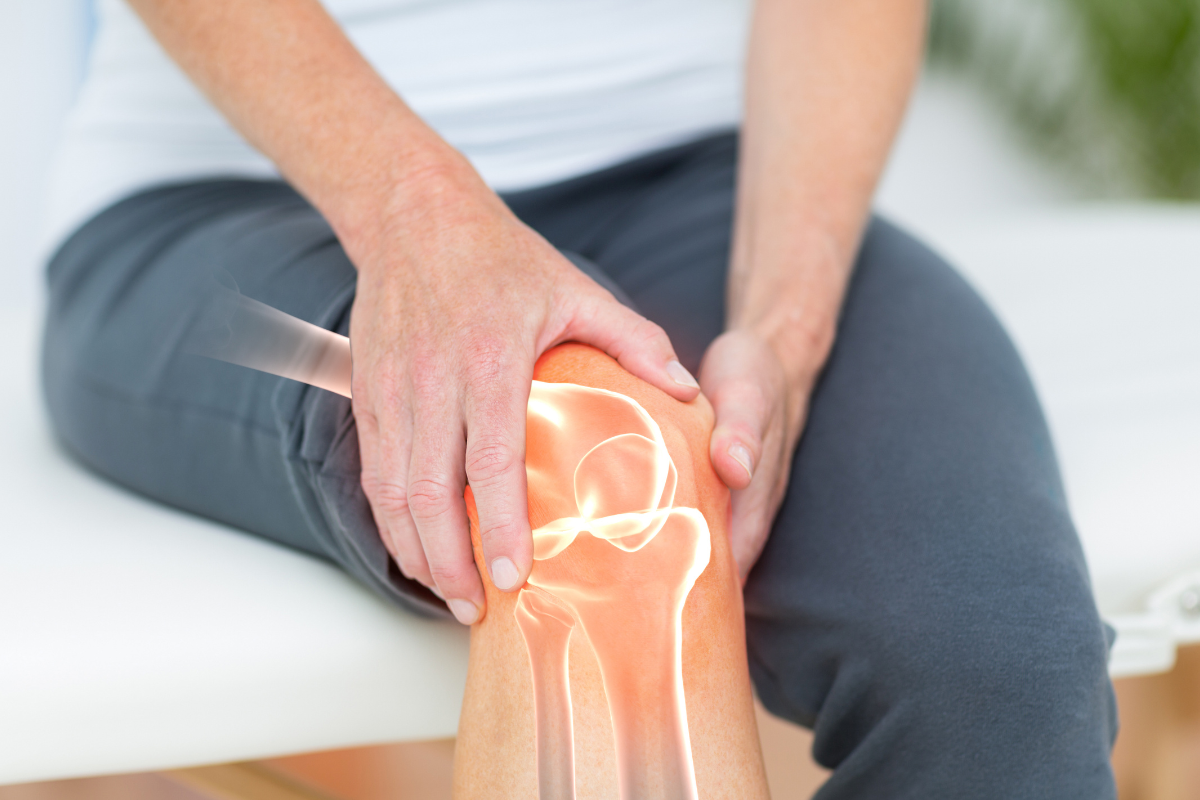
The knee brings together the thigh bone, shin bone and kneecap.
Ligaments help stabilise the joint, while menisci — pieces of cartilage between the major bones — help distribute forces and provide cushioning.
Muscles and tendons surrounding the knee help control movement.
This arrangement allows the knee to perform demanding tasks but also means several structures can be injured during twisting, impact or sudden changes in direction.
Knee conditions can include arthritis, ligament injuries, meniscal tears, tendinitis, bursitis, fractures and other problems.
Where the knee hurts matters, but location alone cannot reliably diagnose the cause. How the injury happened and what movements reproduce symptoms are also important.
Overuse and Tendon Problems
Not all knee pain starts with one dramatic injury.
Repeated running, jumping, squatting or rapidly increasing exercise volume can irritate structures around the knee.
Tendons connect muscles to bones, and repeated loading can contribute to conditions such as patellar tendinopathy, sometimes called jumper's knee.
Pain may develop gradually and become more noticeable during activities such as jumping, running or climbing stairs.
Suddenly increasing training intensity after a long period of inactivity can also overload muscles and tendons that have not adapted to the new demand.
Early management often includes modifying aggravating activity rather than completely stopping all movement for an extended period.
Increase running, jumping and gym volume gradually. Your motivation can improve overnight, but tendons and muscles need time to adapt.
What About Pain Around the Kneecap?
Pain around or behind the kneecap can occur with several conditions.
Some people notice discomfort during stairs, squatting, running or sitting for a long time with the knee bent.
Muscle weakness, activity changes and movement patterns can contribute in certain cases.
Because similar symptoms can have different causes, persistent kneecap pain is better assessed than repeatedly treated with random exercises.
Ligament and Meniscus Injuries
The knee contains several major ligaments that help keep the joint stable.
The anterior cruciate ligament, or ACL, is one of the better-known structures because it can be injured during sports involving sudden changes of direction, awkward landing or twisting.
NIAMS notes that ligaments within the knee can tear when the joint is twisted or overextended.
Some people describe hearing or feeling a pop at the moment of injury, followed by pain, swelling or instability.
Meniscus injuries can also occur after twisting, particularly when the foot is planted.
Depending on the injury, symptoms may include pain, swelling, catching, locking or difficulty fully moving the knee.
A knee that repeatedly gives way, locks, cannot bear weight or becomes significantly swollen after an injury deserves medical assessment.
Osteoarthritis and Age-Related Pain
Knee osteoarthritis is another common cause of knee pain, particularly as people grow older.
Osteoarthritis affects the entire joint and can involve changes in cartilage, bone and surrounding tissues.
Symptoms may include pain during activity, stiffness, swelling and reduced range of movement.
SingHealth describes knee osteoarthritis as involving gradual changes to the cartilage lining and the joint's shock-absorbing structures.
Symptoms can vary substantially from one person to another.
Having osteoarthritis does not necessarily mean exercise must stop. Appropriate exercise is commonly part of management because it can improve strength, flexibility and physical function.
Age-related knee pain does not automatically mean you should become inactive. The right amount and type of exercise can be part of treatment.
Does Every Noisy Knee Have Arthritis?
No.
Clicks and cracks can occur for several reasons and do not automatically mean that the joint is damaged.
Noise becomes more relevant when it is accompanied by pain, swelling, locking, instability or a significant injury.
If your knee makes sounds but moves comfortably and functions normally, the sound alone may not require treatment.
What You Can Do for Mild Knee Pain
Minor knee discomfort after unfamiliar activity may sometimes improve with temporary modification of the activity that triggered it.
For an acute soft-tissue injury, rest from aggravating activity, cold application, compression and elevation are commonly used early measures. SingHealth recommends these measures for several knee injuries.
This does not necessarily mean complete bed rest.
Gentle movement that does not substantially worsen symptoms can help prevent unnecessary stiffness.
Pain medicines may be appropriate for some people, but suitability depends on your health conditions and other medicines.
If you are unsure which pain medicine is appropriate, ask a pharmacist or healthcare professional.
Home treatment is not appropriate for every knee problem. Significant trauma, severe swelling, deformity or inability to walk requires proper assessment.
Exercise and Knee Recovery
Strong muscles help support and control the knee joint.
The quadriceps at the front of the thigh, hamstrings at the back and muscles around the hips all contribute to lower-limb movement.
Physiotherapy is commonly used for several knee conditions to improve strength, movement and function.
For osteoarthritis, NIAMS notes that exercise can reduce pain and stiffness while improving flexibility, muscle strength and endurance.
The exercise programme should match the cause of the pain.
Exercises that are helpful for uncomplicated osteoarthritis may not be appropriate immediately after an acute ligament injury or fracture.
This is why diagnosis becomes important when symptoms are significant or persistent.
Do not copy a knee-rehabilitation programme simply because it worked for someone else. Different knee injuries need different progressions.
Should You Stop Squatting?
Squatting is a normal movement used in everyday life.
Whether it is appropriate during knee pain depends on the underlying condition, depth, load and how your knee responds.
A comfortable partial squat may be suitable during some rehabilitation programmes, while deep loaded squatting may aggravate another person's symptoms.
Rather than labelling one movement permanently “bad,” modify range or resistance when necessary and obtain professional guidance if pain continues.
When Knee Pain Needs Medical Attention
Some symptoms deserve earlier assessment rather than prolonged self-treatment.
HealthHub advises consulting a doctor for a hot and swollen knee, rapidly worsening pain, significant trauma that restricts movement, or morning stiffness lasting more than 30 minutes.
HealthHub also recommends medical review for severe pain or swelling, inability to walk or bend the knee, obvious deformity, or pain that does not settle after rest or several days.
After an injury, severe pain combined with inability to put weight on the affected leg or new numbness or weakness also warrants assessment.
A hot, red, swollen joint associated with fever can occasionally indicate infection or another inflammatory problem and should not simply be treated as a sports injury.
Get medical assessment for severe or rapidly worsening pain, significant swelling, a hot or red knee, obvious deformity, inability to bear weight, numbness or weakness, or major loss of movement after injury.
Protect Your Knees Long Term
You cannot prevent every knee injury or age-related joint change.
But maintaining strong muscles and gradually increasing physical activity can reduce unnecessary strain from sudden overload.
Regular exercise also supports healthy body weight, which can reduce mechanical load on weight-bearing joints.
For people with knee osteoarthritis and excess body weight, weight management can be an important component of symptom management.
Wear appropriate footwear for the activity you are doing and give your body enough time to adapt when beginning a new exercise programme.
Most importantly, pay attention when the knee's function changes noticeably.
Protecting your knees does not mean avoiding movement. Build the strength and fitness needed to move well, and increase demanding activities progressively.
Key Takeaways
- Knee pain can come from injuries, overuse, tendons, ligaments, menisci, arthritis and other conditions.
- Rapidly increasing exercise volume can overload muscles and tendons around the knee.
- Twisting injuries can damage ligaments or the meniscus.
- Knee osteoarthritis can cause pain, stiffness, swelling and reduced movement.
- Appropriate exercise is often an important part of managing knee osteoarthritis.
- Minor injuries may improve with activity modification and appropriate early self-care.
- Strengthening the muscles around the knee can support function and rehabilitation.
- Persistent or significant knee pain should not be diagnosed only from internet symptoms.
- A hot swollen knee, deformity or inability to bear weight requires medical assessment.
- Gradual exercise progression and healthy body weight can help support long-term knee health.
Sources & References
- Health Promotion Board, Singapore — HealthHub. Knee Pain. HealthHub Singapore
- Health Promotion Board, Singapore — HealthHub. Knee Pain: Finding Ease for Old Knees. HealthHub Singapore
- National University Health System. Knee Pain and Knee Conditions. NUHS
- SingHealth. Knee Osteoarthritis. SingHealth
- SingHealth. Knee Meniscal Injury. SingHealth
- National Institute of Arthritis and Musculoskeletal and Skin Diseases. Osteoarthritis. NIAMS
- National Institute of Arthritis and Musculoskeletal and Skin Diseases. Sports Injuries. NIAMS
About KnowvaLife
KnowvaLife creates practical health and wellness content designed to make everyday health information easier to understand. Our content is educational and does not replace personalised advice from qualified healthcare professionals.