Gout Explained: Why the Pain Starts and What Can Trigger an Attack
Gout can cause sudden, intense joint pain that seems to appear without warning. Understanding how uric acid crystals form — and which factors may trigger or increase the risk of attacks — can make the condition easier to manage.
This article is for general educational purposes only and does not replace professional medical advice, diagnosis or treatment. Sudden severe joint pain, swelling or redness can have causes other than gout, including joint infection. Seek appropriate medical assessment for new, severe or unexplained symptoms.
In This Article
Introduction
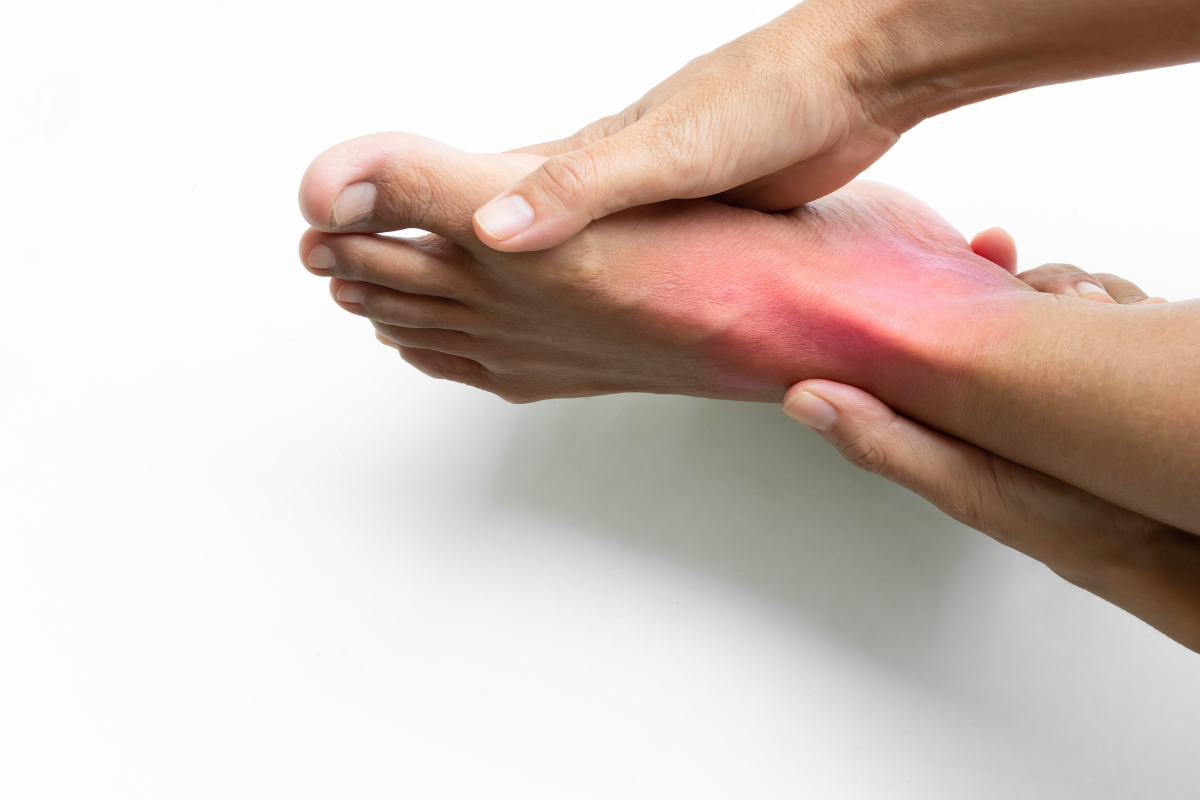
A gout attack can be surprisingly intense. A joint that felt normal hours earlier may suddenly become extremely painful, swollen, red and tender.
The big toe is a classic location, but gout can affect other joints as well. The pain is caused by inflammation triggered by crystals of uric acid, also called urate, that collect within or around a joint.
Gout is more than simply “eating too much rich food.” Diet can influence risk, but kidney function, genetics, body weight, medications and other medical conditions can also play important roles.
What Is Gout?
Gout is a form of inflammatory arthritis. It develops when uric acid levels in the blood become high enough for urate crystals to form and accumulate in joints or surrounding tissues.
Uric acid is produced when the body breaks down substances called purines. Purines occur naturally in your cells and are also present in certain foods and drinks.
Normally, uric acid is carried in the blood and much of it is removed through the kidneys. If the body produces too much uric acid or the kidneys do not remove enough, blood levels can rise.
HealthHub describes this excess uric acid as hyperuricaemia. Not everyone with high uric acid develops gout, but hyperuricaemia creates the environment in which crystals can form.
High uric acid and gout are related but not identical. A blood test showing elevated uric acid does not automatically mean a person is currently having a gout attack.
Why Does Gout Hurt So Much?
When urate crystals form inside a joint, the immune system recognises them as something that should not be there.
This triggers a strong inflammatory response. The affected joint may become swollen, hot, red and extremely tender.
SingHealth describes gout attacks as causing severe pain, swelling, redness and tenderness. Even light pressure on the joint can become uncomfortable during a severe flare.
The pain often begins rapidly and can become intense within a relatively short period.
A hot, swollen and extremely painful joint is not always gout. Joint infection can sometimes cause similar symptoms and may require urgent treatment, especially when fever or significant illness is also present.
Why Is the Big Toe Often Affected?
Gout is well known for affecting the joint at the base of the big toe. This presentation is sometimes called podagra.
However, gout is not limited to the foot. It may also affect the ankle, knee, wrist, fingers, elbow or other joints.
A person can experience attacks in different joints at different times, and more than one joint may eventually become involved when gout is poorly controlled.
Because the big toe is so strongly associated with gout, people sometimes assume every episode of foot pain is caused by uric acid. Injuries, infections and other forms of arthritis can also cause foot and joint pain.
If this is your first episode of sudden severe joint swelling, getting a proper diagnosis is more useful than assuming it is gout based only on where the pain occurs.
What Can Trigger a Gout Attack?
A gout flare can occur when urate crystals already present in a joint trigger sudden inflammation. Changes in uric acid levels may contribute to attacks in susceptible people.
Diet is one possible influence. SingHealth Polyclinics advises that foods high in purines can increase uric acid production. Examples can include organ meats, certain seafood and large portions of red meat.
Alcohol can also be relevant, particularly when consumed excessively. Sugary drinks — especially those containing large amounts of fructose — may also contribute to gout risk.
Dehydration may make gout management more difficult in some people, while major changes in eating or body weight can also affect uric acid levels.
Importantly, a flare does not always have one obvious trigger. Someone can eat carefully and still experience an attack because gout is influenced by several biological factors.
Do not blame yourself for every gout attack. Food is only one part of gout risk, and genetics, kidney function, medicines and other health conditions may be equally or more important.
Who Is More at Risk?
Several factors can increase the likelihood of developing gout.
SingHealth Polyclinics identifies being male, obesity, high blood pressure and chronic kidney disease among important risk factors.
Kidney function matters because the kidneys are a major route through which uric acid leaves the body. When uric acid clearance is reduced, blood levels may increase.
Certain medications can also alter urate balance. Some medicines used for other health conditions may raise uric acid levels, which is why medication history forms part of a gout assessment.
Family history can also be relevant because genetic differences influence how the body handles uric acid.
Gout is also associated with other metabolic and cardiovascular conditions, so treatment often involves looking beyond the painful joint itself.
If you have repeated gout attacks, ask about your blood pressure, kidney health, weight and other metabolic risk factors as well as your uric acid result.
What Happens if Gout Is Untreated?
A gout flare may eventually settle, even without long-term treatment. That does not necessarily mean the underlying uric acid problem has disappeared.
When uric acid remains high over time, additional crystals can accumulate and attacks may become more frequent.
Long-term crystal deposits can form visible lumps known as tophi. HealthHub notes that chronic deposition of uric acid crystals can lead to these deposits.
Singapore General Hospital also warns that untreated gout can eventually damage joints, leading to deformity and restricted mobility.
High uric acid can also be associated with uric acid kidney stones in some people.
Repeated gout attacks are not simply episodes of temporary pain. Long-term uncontrolled gout can lead to lasting joint problems.
How Is Gout Managed?
Gout treatment has two different goals: controlling the pain and inflammation of an acute attack, and reducing future gout flares by managing uric acid over the longer term.
SingHealth lists anti-inflammatory medicines, colchicine and corticosteroids among medicines that may be used to relieve an acute gout attack, depending on the person's medical condition.
Long-term urate-lowering medicines may be recommended for some people with recurrent gout or complications.
Allopurinol is one commonly used medicine. SingHealth explains that it lowers uric acid production and is used to prevent gout rather than simply treating pain during an attack.
Other urate-lowering treatments are also available, and the most appropriate medicine depends on individual factors such as kidney function, other illnesses and previous reactions to medicines.
Do not start, stop or change gout medication on your own. Acute-attack medicines and long-term uric-acid-lowering medicines serve different purposes.
Can Diet Help?
Diet can support gout management, but gout should not be treated as a condition caused only by food.
SingHealth Polyclinics recommends paying attention to high-purine foods while also emphasising overall healthy eating and appropriate weight management.
Reducing excessive intake of organ meats, large portions of red meat and certain seafood may help some people. Limiting sugary drinks and excessive alcohol can also form part of a gout-friendly lifestyle.
At the same time, overly restrictive diets are usually unnecessary. The goal is a balanced eating pattern that is realistic to maintain.
Healthy weight management may also be useful when someone is overweight, but rapid crash dieting is not a good strategy. Sustainable changes are preferable.
Rather than memorising a long list of “forbidden” foods, start with the bigger changes: reduce sugary drinks, limit excessive alcohol, moderate high-purine foods and maintain a balanced diet.
Does Drinking More Water Cure Gout?
Staying adequately hydrated is generally sensible, particularly because uric acid is removed partly through the kidneys.
However, water does not dissolve established gout instantly or replace appropriate medication when treatment is required.
People with heart, kidney or other conditions may also have individual fluid recommendations, so more water is not always better for everyone.
Can You Have High Uric Acid Without Gout?
Yes. Some people have hyperuricaemia without ever developing the painful joint inflammation associated with gout.
This is why a uric acid blood test must be interpreted together with symptoms, medical history and sometimes additional investigations.
Whether asymptomatic high uric acid requires treatment depends on the person's medical situation rather than the laboratory number alone.
When Should Joint Pain Be Checked?
New severe joint pain, swelling, redness and warmth deserve medical attention, especially when gout has never previously been diagnosed.
Seek prompt assessment if the joint symptoms occur with fever, severe illness, recent injury, an open wound or difficulty bearing weight.
If gout attacks are becoming more frequent, affecting multiple joints or interfering with daily life, discuss long-term uric acid management with a healthcare professional rather than repeatedly treating each flare in isolation.
Key Takeaways
- Gout is an inflammatory arthritis caused by urate crystals forming in and around joints.
- High blood uric acid, or hyperuricaemia, creates the conditions in which these crystals can form.
- A gout attack can cause sudden severe pain, swelling, redness, warmth and tenderness.
- The big toe is commonly affected, but gout can occur in many other joints.
- Diet can influence gout risk, but kidney function, genetics, medicines and other medical conditions also matter.
- Repeated untreated gout can lead to tophi and permanent joint damage.
- Acute gout treatment and long-term uric-acid-lowering treatment have different purposes.
- A balanced, gout-friendly diet can support management but does not replace appropriate medical treatment.
Sources & References
- SingHealth. Gout – Causes, Symptoms, Prevention and Treatments. SingHealth
- Health Promotion Board, Singapore — HealthHub. Gout: Causes and Treatment. HealthHub Singapore
- SingHealth. Managing Gout Effectively. SingHealth
- SingHealth Polyclinics. Gout-Friendly Eating: Dos and Don'ts for Better Health. SingHealth Polyclinics
- Singapore General Hospital. Complex Gout. Singapore General Hospital
About KnowvaLife
KnowvaLife creates practical health and wellness content designed to make everyday health information easier to understand. Our content is educational and does not replace personalised advice from qualified healthcare professionals.