
Healthy Foods That Support Better Digestion
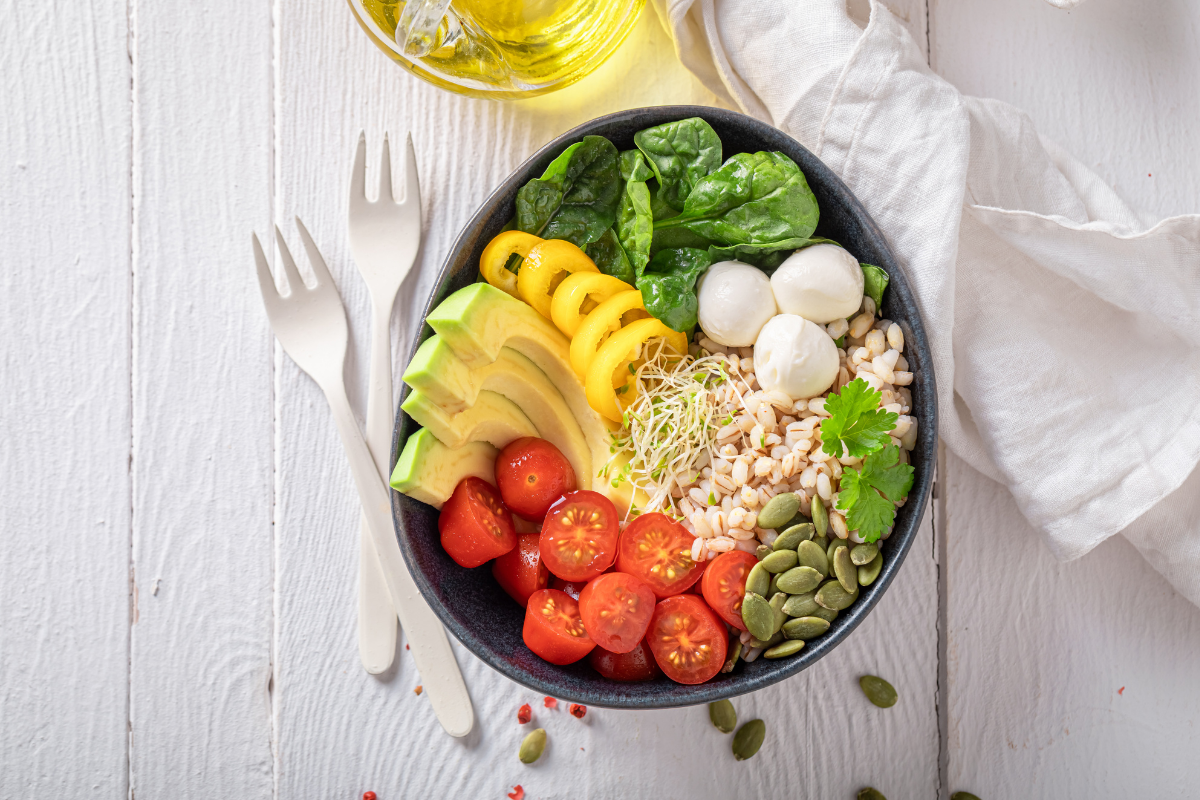
A healthy digestive system depends on more than one “gut-friendly” food. Fibre-rich whole grains, vegetables, fruit, legumes, nuts and enough fluids can all support regular bowel habits and contribute to a balanced diet.
This article provides general digestive-health and nutrition information for educational purposes only. It does not replace personalised medical advice, diagnosis or treatment. Persistent abdominal pain, blood in the stool, unexplained weight loss, ongoing vomiting or significant changes in bowel habits should be discussed with a qualified healthcare professional.
In This Article
Introduction
Digestive health is influenced by many factors, including the foods you eat, how much fluid you drink, physical activity, medications, stress and underlying health conditions. There is no single food that can “fix” digestion for everyone.
One of the most useful dietary factors is fibre. The World Health Organization recommends that people older than 10 years aim for at least 25 grams of naturally occurring dietary fibre per day. Fibre is found in foods such as whole grains, vegetables, fruit and pulses.
For people who experience constipation, the U.S. National Institute of Diabetes and Digestive and Kidney Diseases also recommends eating enough fibre and drinking plenty of liquids to help the fibre work effectively. If you are increasing your fibre intake, doing so gradually can make the change easier for your digestive system.
Whole Grains
Whole grains provide dietary fibre as well as vitamins and minerals. Oats, wholegrain bread, brown rice, barley and other whole-grain foods can contribute to a higher-fibre eating pattern.
Fibre adds bulk to stool and can support regular bowel movements. If your current diet is low in fibre, suddenly eating large amounts may lead to bloating or discomfort, so it is often more comfortable to increase fibre gradually.
You do not need to replace every refined grain at once. Start with one meal. For example, try oats for breakfast, wholegrain bread for a sandwich or a mixture of white and brown rice if that works better for your preferences.
Increase fibre gradually and make sure you are also drinking enough fluid. A sudden large increase can feel uncomfortable for some people.
Vegetables
Vegetables provide fibre, vitamins, minerals and a variety of plant compounds. Carrots, broccoli, leafy greens, peas and many other vegetables can contribute to both digestive health and overall nutrition.
They do not have to be raw. Steamed, stir-fried, roasted or cooked vegetables can all fit into a healthy diet. If raw vegetables cause discomfort, cooked versions may feel easier for some people to tolerate.
Variety is useful because different vegetables provide different nutrients and types of fibre. Rather than relying on one vegetable, rotate several kinds across the week.
Add one extra vegetable to a meal you already eat regularly. Small changes are often easier to maintain than completely redesigning your diet.
Fruit
Fruit is another practical source of fibre and can be included at breakfast, as a snack or alongside meals. Apples with the skin, pears, oranges and berries are among the fibre-containing fruits highlighted by NIDDK.
Whole fruit generally provides more fibre than fruit juice. WHO also notes that fruit juice can contain significant amounts of free sugars even when no sugar has been added, so whole fruit is usually the better everyday choice.
If you do not enjoy one particular fruit, there is no need to force it. Choose from the many fruits available to you and aim for variety over time.
Beans, Lentils and Other Pulses
Beans, lentils, chickpeas and peas are rich in fibre and also provide plant protein. They can be used in soups, curries, stews, salads and rice dishes or combined with other protein sources.
For people who are not used to eating legumes, a large portion can sometimes cause gas or bloating. Starting with smaller amounts and increasing gradually may help your digestive system adapt.
Canned beans can be convenient. Draining and rinsing them can help reduce some of the sodium in the liquid, while dried beans can be prepared in larger batches and used across several meals.
If you have been advised to follow a low-fibre diet because of a specific medical condition or procedure, general high-fibre advice may not be appropriate. Follow your healthcare team's instructions.
Nuts and Seeds
Nuts and seeds provide fibre, unsaturated fats and other nutrients. Almonds, peanuts, walnuts, chia seeds, flax seeds, sesame seeds and pumpkin seeds can be added to meals or eaten in modest portions.
They can be mixed into oats, yoghurt or salads, or used as part of snacks. Because nuts and seeds are energy-dense, a small portion can provide useful nutrients without needing a large serving.
People with nut or seed allergies should avoid the relevant foods. Whole nuts can also be a choking hazard for young children, so preparation should be age-appropriate.
Fermented Foods
Fermented foods such as yoghurt, kefir, kimchi and some other traditional foods contain microorganisms created or used during fermentation. Some products may contain live cultures, but not every fermented food contains the same microorganisms or amounts.
Fermented foods can be included as part of a varied diet if you enjoy and tolerate them. However, they should not be treated as a guaranteed cure for digestive symptoms or as a replacement for medical treatment.
Some fermented foods can also be high in sodium or added sugar, so checking the label can be useful. Plain yoghurt, for example, may contain less added sugar than heavily sweetened varieties.
Persistent bloating, diarrhoea, constipation or abdominal pain can have many causes. Do not assume that adding probiotics or fermented foods will solve an ongoing digestive problem.
Water and Other Fluids
Fibre works best when adequate fluid is available. NIDDK recommends drinking plenty of water and other liquids when increasing fibre, particularly for people dealing with constipation.
Water is a practical everyday choice, and soups and water-rich foods can also contribute to fluid intake. Your needs can increase with hot weather, physical activity, fever, vomiting or diarrhoea.
There is no single fluid amount that is perfect for everyone. Individual needs vary, and people with certain heart, kidney or other conditions may have specific fluid instructions from their healthcare team.
If you are increasing whole grains, legumes and other high-fibre foods, remember to increase fluids appropriately at the same time.
What About “Gut Health” Products?
Many products are marketed as being good for the gut, including powders, supplements, probiotic drinks and highly processed snacks with added fibre. Some may have a role for certain people, but you do not need specialised products to build a digestive-friendly diet.
Whole foods such as oats, beans, vegetables, fruit, nuts and seeds can provide naturally occurring fibre along with many other nutrients. Starting with your everyday diet is usually the more practical approach.
If you are considering a supplement because of persistent digestive symptoms, discuss the problem with a healthcare professional rather than relying on marketing claims alone.
When Digestive Symptoms Should Be Checked
Occasional bloating, gas or changes in bowel habits can happen, but ongoing symptoms deserve attention. Persistent constipation or diarrhoea, severe or recurrent abdominal pain, blood in the stool, unexplained weight loss, frequent vomiting or difficulty swallowing should be assessed appropriately.
Digestive symptoms can have many causes, including food intolerances, medications, infections and digestive diseases. Restricting multiple foods without professional guidance can sometimes make it harder to get enough nutrients.
A qualified healthcare professional can help determine whether symptoms need investigation and whether dietary changes should be individualised.
Key Takeaways
- Better digestion depends on your overall eating pattern, not one special “gut” food.
- Whole grains, vegetables, fruit, legumes, nuts and seeds are useful sources of dietary fibre.
- Increase fibre gradually if your current intake is low.
- Drinking enough fluids helps fibre work more effectively.
- Fermented foods can be part of a varied diet, but they are not a guaranteed treatment for digestive symptoms.
- Whole foods can provide fibre without requiring expensive gut-health supplements.
- Persistent or concerning digestive symptoms should be discussed with a qualified healthcare professional.
Sources & References
About KnowvaLife
KnowvaLife creates practical health and wellness content designed to make everyday health information easier to understand. Our content is educational and does not replace personalised advice from qualified healthcare professionals.