Joint Health: Everyday Habits to Protect Your Joints as You Age
Healthy joints help you walk, climb stairs, exercise and manage everyday tasks comfortably. Ageing can bring changes to the joints, but regular movement, muscle strength, healthy body weight and sensible activity habits can all help support mobility and function.
This article provides general educational information and does not replace personalised medical or physiotherapy advice. Persistent joint pain, swelling, instability, major loss of movement or pain after an injury should be assessed by an appropriate healthcare professional.
In This Article
Introduction
You probably do not think about your joints when they are working comfortably.
But every time you stand up, reach overhead, walk, squat or climb stairs, joints throughout your body are helping make those movements possible.
WHO describes musculoskeletal health as the functioning of the muscles, bones, joints and surrounding connective tissues that allow people to move and participate in everyday life.
Joint problems can become more common with age, particularly when previous injuries, excess body weight, reduced muscle strength or conditions such as osteoarthritis are present.
Ageing itself cannot be prevented, but there are practical ways to support movement, strength and joint function over time.
What Keeps a Joint Healthy?
A joint is more than the point where two bones meet.
Depending on the joint, cartilage can help create smooth movement, while ligaments provide stability and muscles and tendons help control motion.
The tissues surrounding a joint also influence how well it functions.
This is why joint health is not simply about protecting cartilage.
Muscle strength, mobility, coordination and overall physical activity all contribute to how comfortably and efficiently a joint moves.
Conditions such as osteoarthritis can affect multiple tissues within and around the joint, not only the cartilage itself.
Think of the whole movement system. Strong muscles and good control can help support the joints during everyday activity.
Keep Moving Regularly
When joints feel stiff, the natural response can be to avoid movement.
Short periods of rest may be appropriate after some injuries or during a significant flare-up, but becoming generally inactive can lead to weaker muscles and reduced physical function.
HealthHub encourages a mixture of regular physical activity for people with ageing knees, including strengthening, balance and flexibility work.
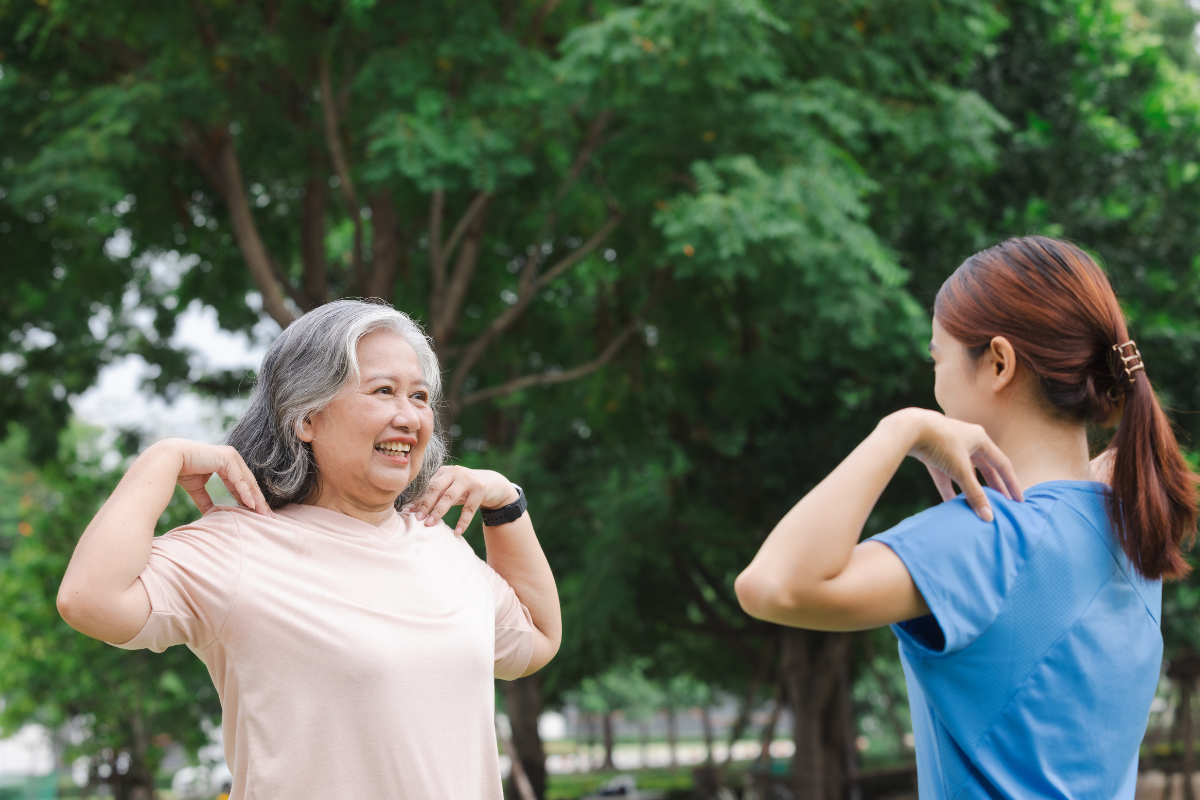
Walking, cycling, swimming and water-based exercise can all provide ways to stay active, depending on your health and comfort.
Water-based exercise can be particularly useful for some people with painful joints because the water supports body weight while still allowing muscles to work.
The activity that is best for you depends on your current ability and whether you have an existing joint condition.
If you have been inactive, start with manageable periods of movement and build gradually rather than trying to complete a demanding workout immediately.
Does Exercise “Wear Out” Your Joints?
Normal, appropriately progressed physical activity should not be viewed as automatically wearing away healthy joints.
Exercise supports muscle strength, cardiovascular health and physical function.
WHO recommends exercise as part of osteoarthritis management, and HealthHub similarly includes physical activity in recommendations for people with ageing or painful knees.
Problems are more likely when exercise intensity increases too rapidly, technique is poor, an injury is ignored or someone continues an activity despite significant pain.
The goal is therefore appropriate loading — not avoiding movement altogether.
Strengthen the Muscles Around Your Joints
Muscles help absorb and control forces that pass through the body during movement.
Around the knee, for example, stronger thigh and hip muscles can contribute to stability and better movement control.
HealthHub specifically recommends strengthening the muscles around the thighs to help support knee stability.
Strength training does not have to mean lifting very heavy weights.
Depending on ability, exercises might include chair stands, step-ups, resistance-band movements, squats within a comfortable range or appropriately supervised gym exercises.
The best exercises depend on the joint involved, your current strength and whether you have pain or an existing condition.
Do not train only the painful joint itself. Strengthening surrounding muscles can improve the way forces are managed during movement.
Maintain a Healthy Body Weight
Body weight influences the load placed on weight-bearing joints such as the knees and hips.
Being overweight is one of the recognised factors associated with osteoarthritis, particularly in weight-bearing joints.
WHO includes overweight among factors that can contribute to osteoarthritis, while SingHealth recommends maintaining a healthy weight as part of reducing osteoarthritis risk.
If weight loss is medically appropriate, even modest changes can reduce the physical load placed on the lower-limb joints.
Weight management also benefits cardiovascular and metabolic health, making it useful for reasons beyond the joints.
At the same time, weight should not become the only focus. Strength, movement quality and overall fitness matter too.
Think about reducing joint load and improving strength together. Weight management and stronger muscles can complement each other.
Increase Exercise Gradually
Doing too much too quickly is a common way to turn a healthy exercise plan into an injury.
A person who has not run for years may decide to begin with a long run because they feel motivated, only to develop knee, ankle or tendon pain afterward.
HealthHub advises increasing workout intensity gradually, particularly when managing ageing or painful knees.
Your body needs time to adapt to increased training volume and intensity.
Start with an amount you can tolerate comfortably, then gradually increase duration, resistance or difficulty.
Recovery days can also be useful when activities place substantial demands on muscles and joints.
Sharp pain, sudden swelling or a feeling that a joint is unstable should not simply be treated as normal exercise soreness.
Should You Exercise Through Joint Pain?
Some mild muscular discomfort can occur when beginning a new activity, but significant joint pain should not be ignored.
Pain that repeatedly worsens during activity, causes limping or remains substantially worse afterward may mean the exercise needs modification.
HealthHub advises stopping when knee exercise causes pain and increasing intensity gradually.
People with diagnosed arthritis or previous injuries may benefit from guidance from a physiotherapist or other qualified healthcare professional.
The aim is to stay active safely rather than pushing through every symptom.
Flexibility and Balance Matter Too
Strength is important, but comfortable movement also depends on mobility, flexibility and control.
Stiff muscles can limit how freely a joint moves and may change the way everyday movements are performed.
Gentle stretching can help maintain flexibility when performed appropriately.
Balance training becomes increasingly valuable with age because falls can result in joint injuries and fractures.
HealthHub recommends combining strength, balance and flexibility activities for older adults and people managing ageing knees.
Activities such as Tai Chi can combine controlled movement and balance work, while other people may prefer structured exercise programmes.
A well-rounded routine includes more than cardio. Add some strength, mobility and balance work during the week.
What About Joint Supplements?
Many products are marketed specifically for joint health.
Some contain glucosamine, chondroitin, collagen or combinations of vitamins and herbal ingredients.
Research findings vary depending on the product and condition, and supplements should not be assumed to rebuild damaged joints.
They may also interact with medications or be unsuitable for some people.
If you have persistent joint symptoms, identifying the cause is more important than automatically trying multiple supplements.
Exercise, healthy body weight and appropriate medical or physiotherapy treatment have a stronger role in many common joint conditions.
Know When Pain Needs Attention
Joint pain can have many causes.
Temporary discomfort may follow unfamiliar activity, but persistent pain can also result from injury, osteoarthritis, inflammatory arthritis or other medical conditions.
Seek medical advice when pain is severe, continues for an extended period, repeatedly limits normal activities or is associated with substantial swelling.
A joint that becomes suddenly hot, very swollen or extremely painful may require prompt assessment.
Pain after a significant fall or injury should also be taken seriously, particularly when you cannot bear weight or move the joint normally.
Sudden severe joint pain, marked swelling, obvious deformity, inability to bear weight or a hot swollen joint should not simply be treated with home exercise.
Protect Mobility for the Years Ahead
Joint health becomes especially important when you think about what your joints allow you to do.
Healthy movement supports independence — walking to shops, travelling, exercising, working and participating in family life.
You cannot prevent every age-related change or every joint condition.
But regular movement, strong muscles, a healthy body weight and sensible progression of activity can provide a strong foundation.
Do not wait until your joints are painful before paying attention to them.
Building strength and movement habits now can help preserve physical function later.
The goal is not to keep your joints completely free from load. Healthy joints are designed to move — support them by moving regularly and building the strength needed to control that movement.
Key Takeaways
- Joint health depends on bones, cartilage, muscles, ligaments and surrounding tissues working together.
- Regular physical activity can support mobility and physical function as you age.
- Strengthening muscles around joints can improve stability and movement control.
- Maintaining a healthy body weight can reduce load on weight-bearing joints.
- Exercise intensity should be increased gradually rather than suddenly.
- Flexibility and balance training complement strength and aerobic exercise.
- Swimming and water-based activity can be useful lower-impact options for some people.
- Significant joint pain should not simply be pushed through.
- Supplements are not a substitute for appropriate exercise, weight management or medical care.
- Persistent pain, swelling or major loss of function deserves medical assessment.
Sources & References
- World Health Organization. Musculoskeletal Health. World Health Organization
- World Health Organization. Osteoarthritis. World Health Organization
- Health Promotion Board, Singapore — HealthHub. Knee Pain: Finding Ease for Old Knees. HealthHub Singapore
- Health Promotion Board, Singapore — HealthHub. Knee Pain. HealthHub Singapore
- SingHealth. Osteoarthritis — Symptoms, Causes & Treatments. SingHealth
- SingHealth. Osteoarthritis — How to Prevent. SingHealth
About KnowvaLife
KnowvaLife creates practical health and wellness content designed to make everyday health information easier to understand. Our content is educational and does not replace personalised advice from qualified healthcare professionals.